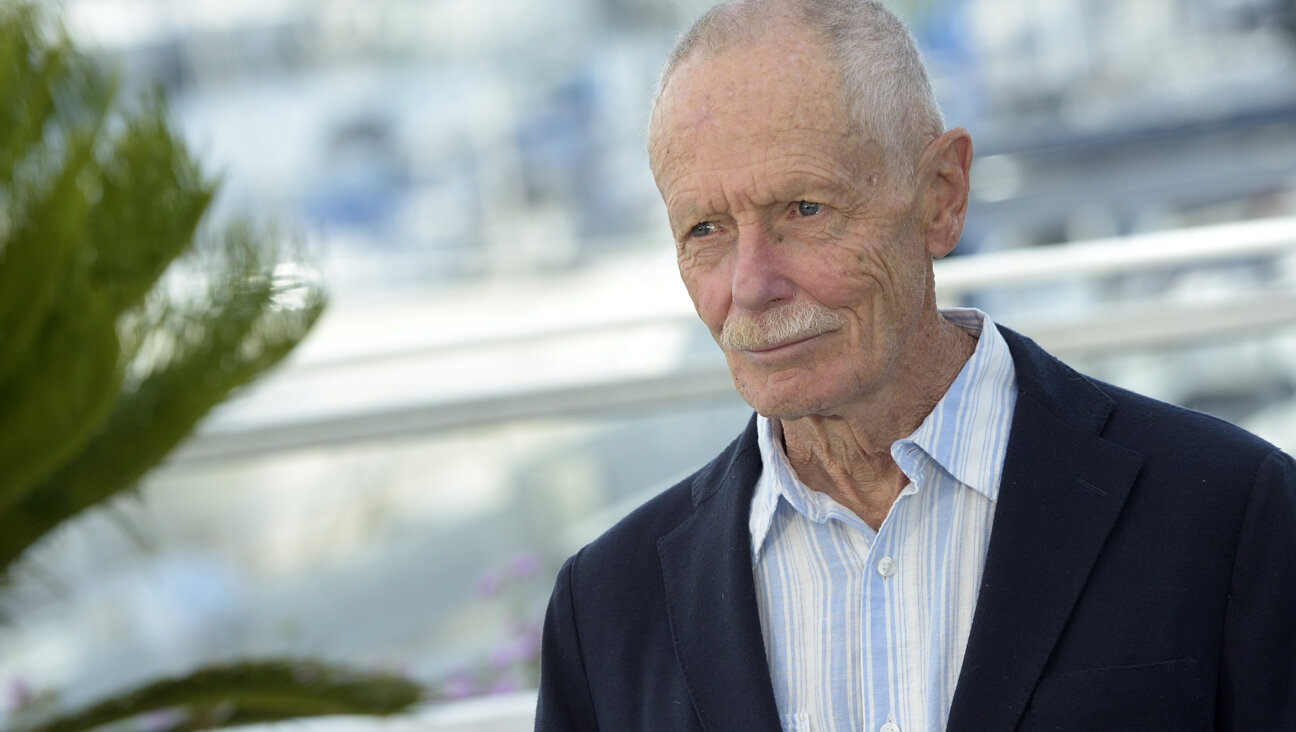
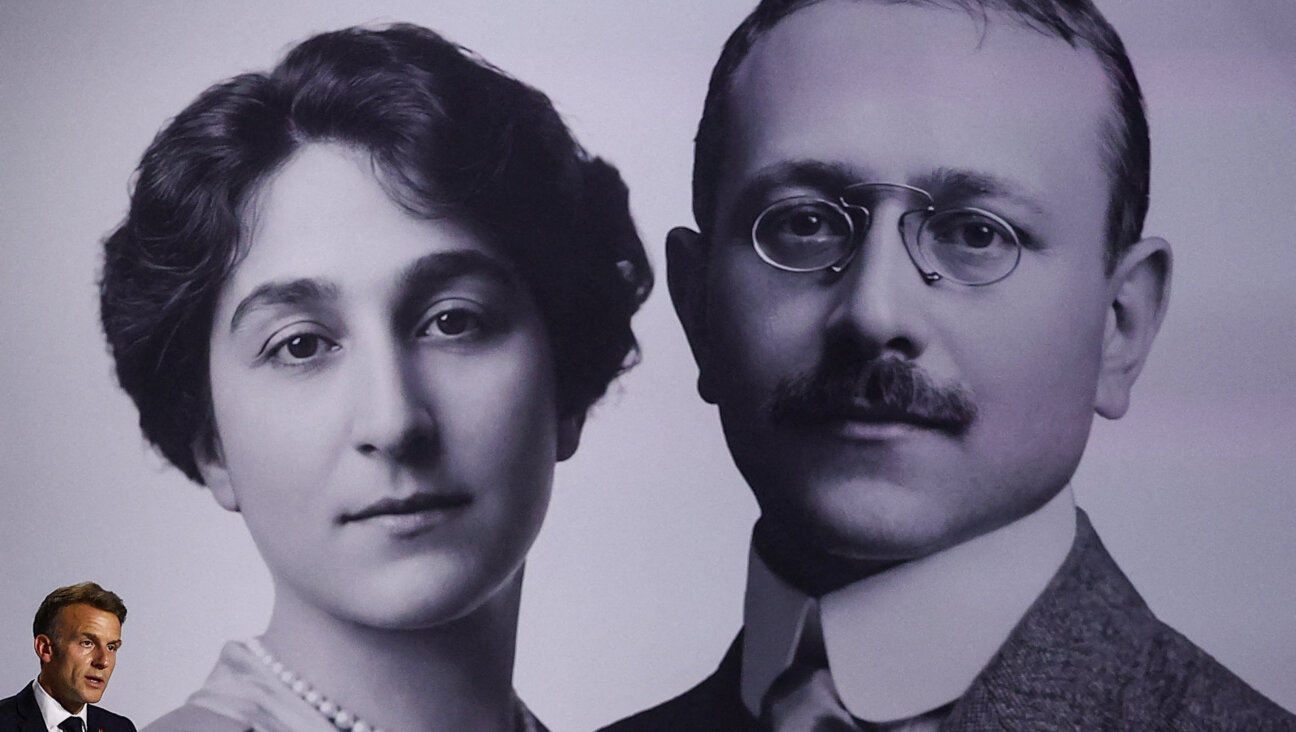
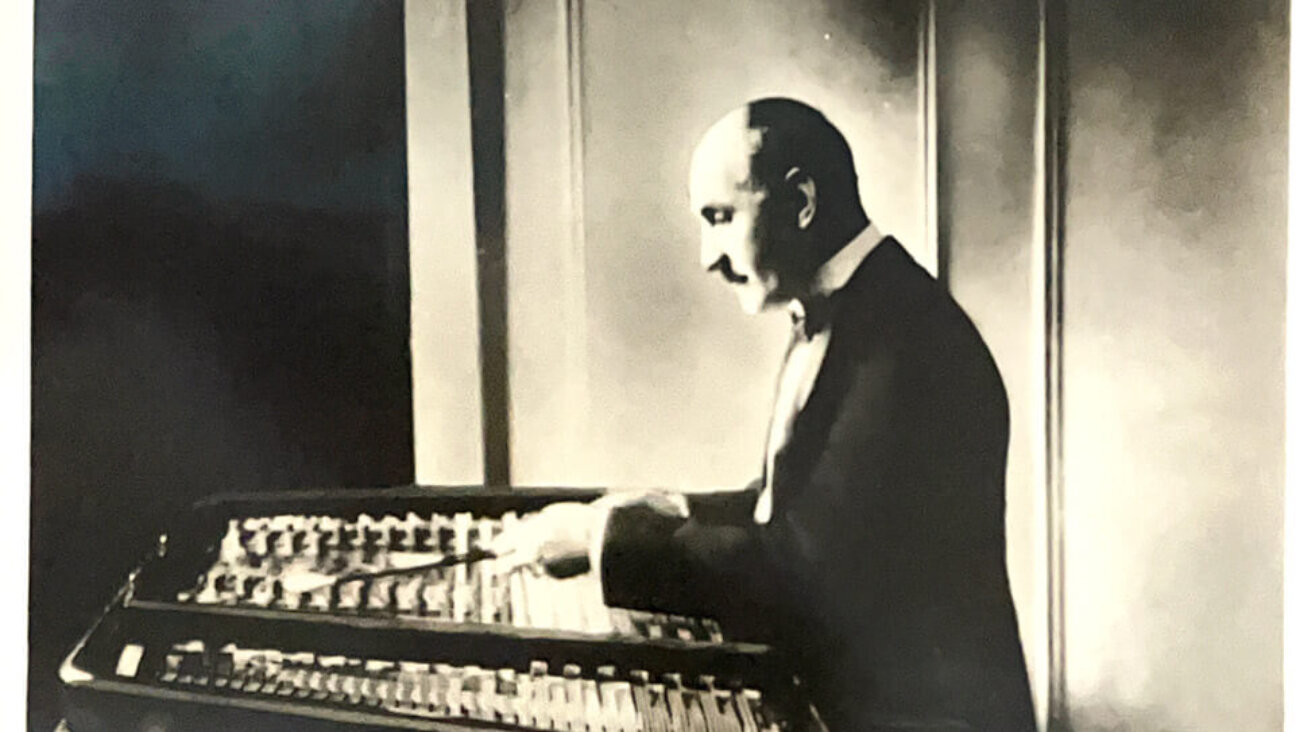
Amir Gutfreund, Jonathan Safran Foer and Bruno Schultz

By Dan Friedman May 10, 2010
Amir Gutfreund and Jonathan Safran Foer hadn’t met before Wednesday afternoon, May 5. As Gutfreund pointed out, you wouldn’t necessarily put two firemen onstage and expect them to immediately extinguish flames! Foer for his part, was probably unaware of Gutfreund’s public persona, certainly when speaking English, of a somewhat comic victim of cosmic injustice.
So when Gutfreund’s first question for the young American was a longer version of: “I’m still waiting for the glory, but how have you dealt with all the glory you received so early on in your career?” Foer wasn’t quite sure how to deal with it. So he told a story about poop, and everything was fine thereafter!
Noting that on a normal day he would clean up after one or both sons and a dog, plus perhaps himself, Foer explained how grounded he was and was amusingly persuasive. Gutfreund and Foer expressed deep admiration for (and indebtedness to) writer Bruno Schultz (best known for “Street of Crocodiles”) and in between more serious comments about the status of literature and Schultz, made some excellent observations about the nature of a state that would kidnap a wall to save it from oppression.
The wall in question was the one upon which Schultz had been painting murals for one SS officer when another shot him in the street. Israeli secret services snuck in and stole the wall while its ownership was being contested, in what Gutfreund referred to as Israel’s “Entebbe Instinct.” Foer confessed that he was named “Jonathan” after the leader of the raid on Entebbe, Jonathan Netanyahu — Benjamin Netanyahu’s older brother.
Watch Amir Gutfreund explain himself on the video below:
Amir Gutfreund from Jewish Daily Forward on Vimeo.
Did you know that only 2% of Forward readers donate to support our nonprofit newsroom? That 2% make it possible for millions to read the Forward without a paywall or subscription — removing any barriers to the full and fair Jewish story.
But while the Forward is free to read, it isn’t free to produce. Big stories — like deep dives into the antisemitism data, political scoops or reporting trips to college campuses — take months of research and fact-checking. All while we keep you informed of what you need to know each day.
— Rachel Fishman Feddersen, Forward Publisher & CEO
Support our mission to tell the Jewish story fully and fairly.