Land of the Surreal

Graphic by Angelie Zaslavsky
In 1911, when the 11th edition of the Encyclopedia Britannica was published, the entry titled “The Hebrew Language” stated: “The dream of some Zionists that Hebrew — a would-be Hebrew, that is to say — will again become a living, popular language in Palestine, has still less prospect of realization than their vision of a restored Jewish empire in the holy land.” But reality doesn’t always obey the rules of realism, and 100 years later, Hebrew — the spoken language of about six million Israeli Jews — is developing at a dizzying pace.
One of the words that has come to prominence in recent years is hazui, which literally means “hallucinated,” a kind of waking dream. Although the word comes from the Old Testament, it is used colloquially enough to be considered slang, referring to something strange or slightly surreal — something dreamlike and unexpected. The sense of the term can be positive or negative, but it always means weird. This one “had a hallucinated meeting at the corner store,” that one “was invited to a hallucinated party,” and the third “read a completely hallucinated article in the newspaper.” With so many hallucinations, you’d think everyone ought to be sent either to rehab or the mental ward.
When an Israeli comes across something seemingly impossible that nonetheless happens, it is hazui. But the things we call hazui are actually amazingly trivial: nothing more than little oddities and slight divergences from the expected rules of reality. Meanwhile revolutions that ought to strike us fantastic are perceived as part of the ordinary course of events. No one says that the creation of a democratic Jewish state is hazui, that equal rights for women are hazui, that an Internet chat conducted in Hebrew is totally hazui. Just like the Encyclopedia Britannica, we have, I think, a pretty unrealistic perception of what’s supposed to happen, or not supposed to happen, in reality.
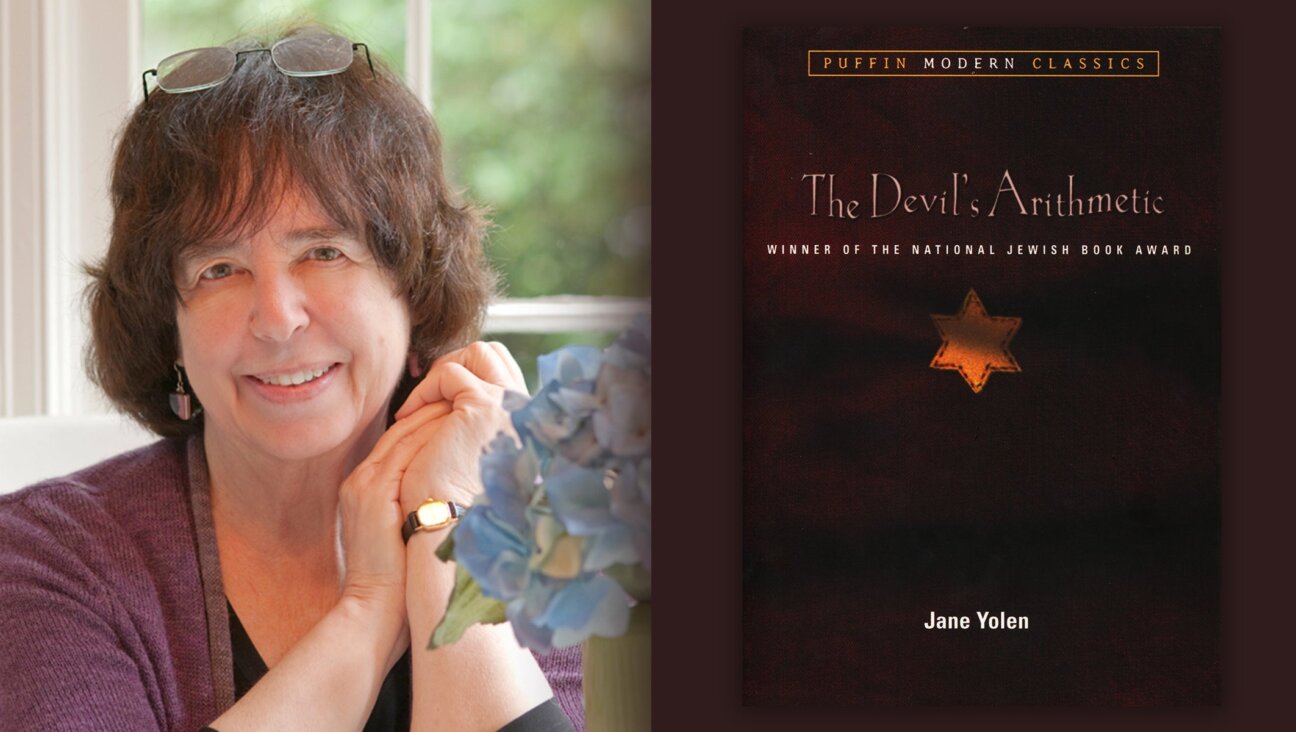
Israeli writer Gail Hareven’s novel, “The Confessions of Noa Weber” (Melville House) was published in English in the U.S. in 2009.

Hello, fellow Forward reader! I’m Joel Brown, a Forward reader and supporter for more than 15 years, and currently the chair of the board of directors.
I’m an avid Forward reader because it ticks so many of my essential boxes: excellent journalism, Jewish focus and diverse viewpoints. In today’s political climate, what I most appreciate is the Forward’s independence — made possible by the generosity of its membership.
The Forward is committed to bringing you unbiased, nuanced Jewish news. From my position as board chair, I see an exciting future as we expand our position as the definitive independent voice of contemporary American Judaism.
That’s why I’m paying it Forward, by matching $36,000 of reader gifts. It’s an investment in the Forward’s newsroom, to continue telling the American Jewish story with truth and independence.
— Joel Brown, Forward board chair
Support our mission to tell the Jewish story fully and fairly.