Scientists Meet To Discuss Rare Disorder
In what was the first meeting of its kind, respected neurologists from around the globe held a conference August 1 at which they committed themselves to increasing awareness of adult polyglucosan body disease, a rare genetic disorder occurring primarily among Ashkenazic Jews.
The nine-person scientific and medical advisory committee of the Adult Polyglucosan Body Disease Research Foundation made its decision after an all-day meeting at the New York University Medical Center in New York. Committee members shared ideas about APBD, discussed the need to educate the medical and Jewish communities about the disorder and outlined further necessary research.
?We had all of the big minds in the field in the room,? Gregory Weiss, who founded APBDRF and is an APBD patient himself, told the Forward. ?We are trying to get involved patients and relatives and friends of people with this condition.?
Spreading the word about the disease, which manifests itself in middle-aged patients, is difficult. With only 30 published cases, nobody knows exactly how many incidents of the chronic neuro- degenerative disorder exist. Its symptoms ? usually weakness and dementia ? are easily confused with more common ailments, which often leads to misdiagnosis and mistreatment.
In 1991, Alexander Lossos of the neurology department at the Hadassah University Hospital in Jerusalem discovered that a deficiency of the glycogen branching enzyme causes APBD. But it is still unclear how this occurs.
The best way to treat APBD is to ?find a substance that increases the activity of the branching enzyme,? said conference attendee Salvatore DiMauro, a professor of neurology at Columbia University and director of H. Houston Merritt Clinical Research Center at the Columbia Presbyterian Medical Center. Unfortunately that substance has yet to be discovered.
The research that Weiss?s foundation promotes would not only encourage the development of prevention and treatment techniques for APBD, but also would potentially explain the causes of other disorders.
?Our knowledge about Alzheimer?s disease, Parkinson?s disease and a lot of other diseases almost exclusively is based on rare disorders ? this very small subgroup of patients with rare single gene defects,? said Raphael Schiffmann, head of clinical investigations in developmental and metabolic neurology at the National Institute of Health. ?And really no research has been done on this disease at all.?
For more information about APBD, the foundation, members of its scientific/medical advisory committee and ways to help, visit www.apbdrf.org.
Why I became the Forward’s editor-in-chief
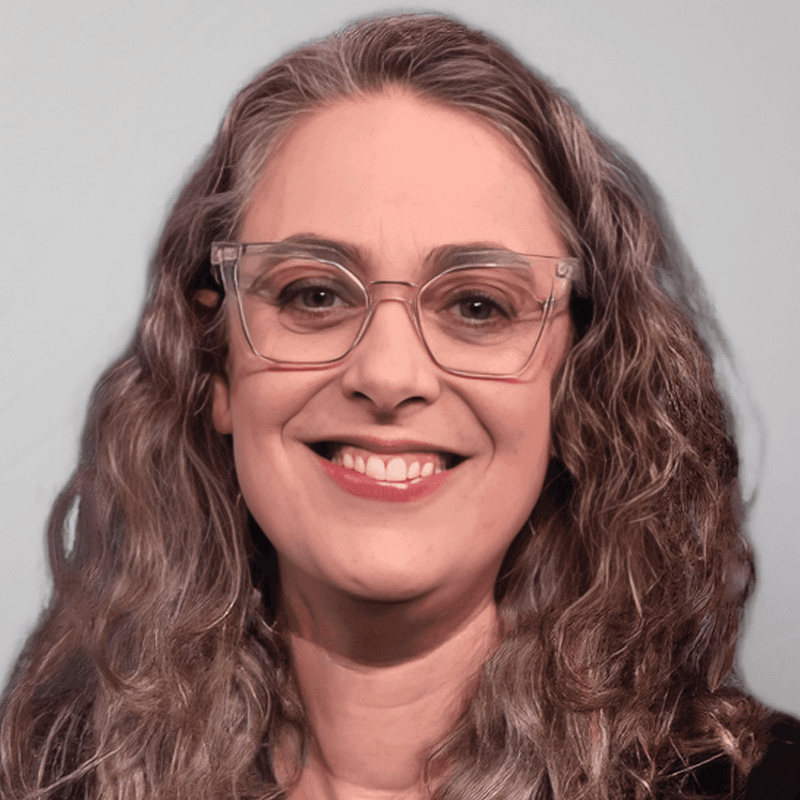
You are surely a friend of the Forward if you’re reading this. And so it’s with excitement and awe — of all that the Forward is, was, and will be — that I introduce myself to you as the Forward’s newest editor-in-chief.
And what a time to step into the leadership of this storied Jewish institution! For 129 years, the Forward has shaped and told the American Jewish story. I’m stepping in at an intense time for Jews the world over. We urgently need the Forward’s courageous, unflinching journalism — not only as a source of reliable information, but to provide inspiration, healing and hope.
— Alyssa Katz, editor-in-chief
Support our mission to tell the Jewish story fully and fairly.