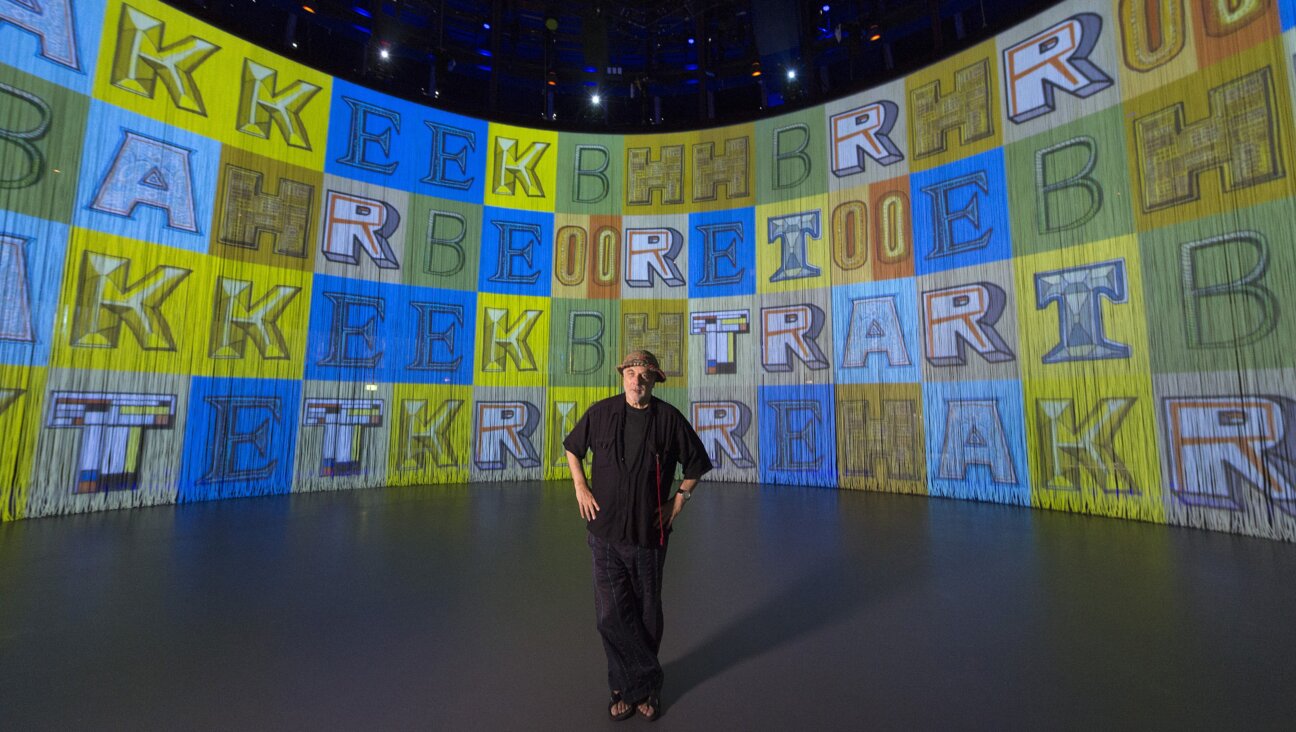
Nazi ‘Looted Art’ Hoarder Cornelius Gurlitt Launches Web Site

Image by getty images
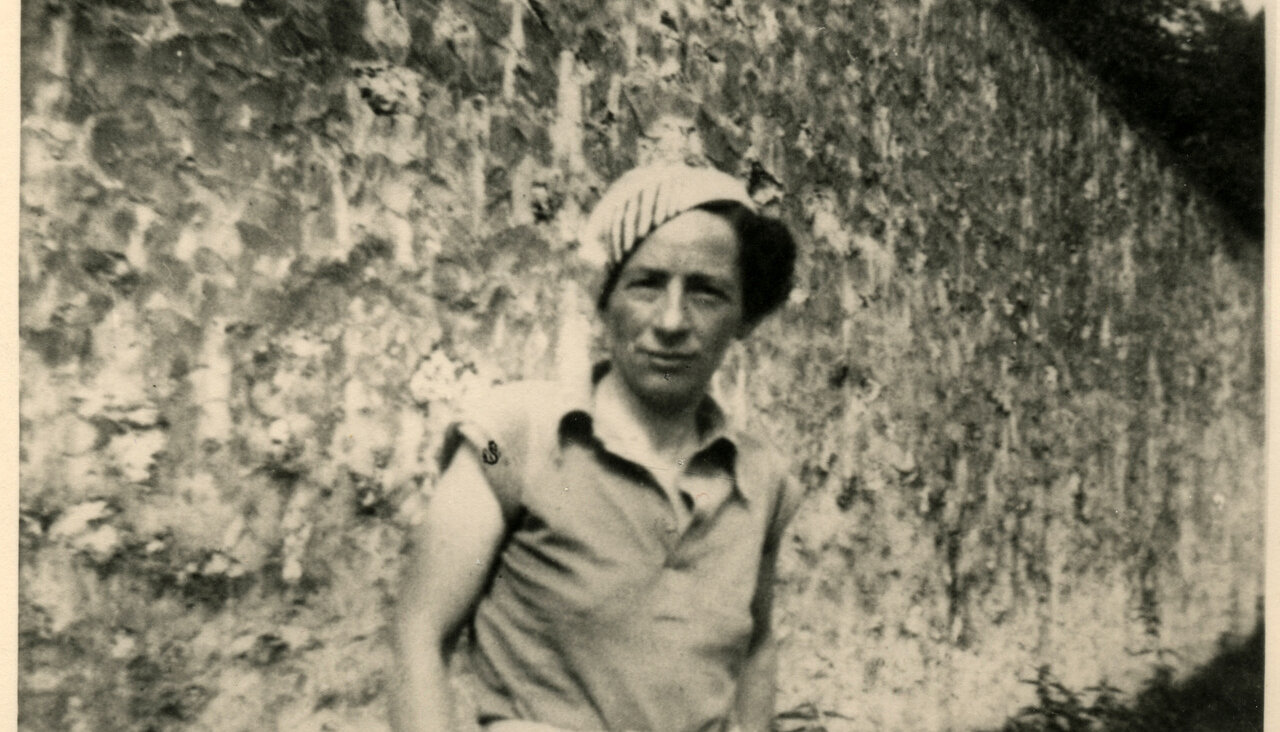
Cornelius Gurlitt, whose stash of art in Munich was revealed to the world last fall, has launched a web site.
In English and German, Gurlitt explains that he is both duty bound “to preserve and maintain his father’s collection” and “open to historic responsibility” in a post on the gurlitt.info site.
At issue is whether the 1,406 works of art confiscated from his home in 2012 as part of a tax evasion investigation were stolen or forcibly purchased from Jewish collectors or museums during the Nazi era.
Gurlitt, 81, said online that he would consider claims by possible heirs, but only “after the rightful return of the entire collection by the Augsburg public prosecutors and the customs authorities.” He also said he was willing to consider market-value offers by museums interested in purchasing works.
The collection, inherited from his father, Hildebrand Gurlitt, contained works by famous artists whom the Nazis considered ”degenerate.” A worldwide clamor for transparency and investigation followed. Since then, hundreds of works have been posted at the official German lostart.de website and a task force has been created to research the provenance of certain works.
Gurlitt had tried to stay under the radar after Focus magazine first reported on the discovered stash.
Meanwhile, the Bavarian minister of justice, Winfried Bausback, is expected to present his proposal on Friday to the upper house of the German Parliament that would eliminate the statute of limitations in cases where individuals are trying to keep art that was looted or forcibly sold during the Nazi years.
Bausback’s proposal was applauded recently by World Jewish Congress President Ronald Lauder in Berlin.
Did you know that only 2% of Forward readers donate to support our nonprofit newsroom? That 2% make it possible for millions to read the Forward without a paywall or subscription — removing any barriers to the full and fair Jewish story.
But while the Forward is free to read, it isn’t free to produce. Big stories — like deep dives into the antisemitism data, political scoops or reporting trips to college campuses — take months of research and fact-checking. All while we keep you informed of what you need to know each day.
— Rachel Fishman Feddersen, Forward Publisher & CEO
Support our mission to tell the Jewish story fully and fairly.