Holocaust Victims’ Remains Buried After Discovery at French Medical School
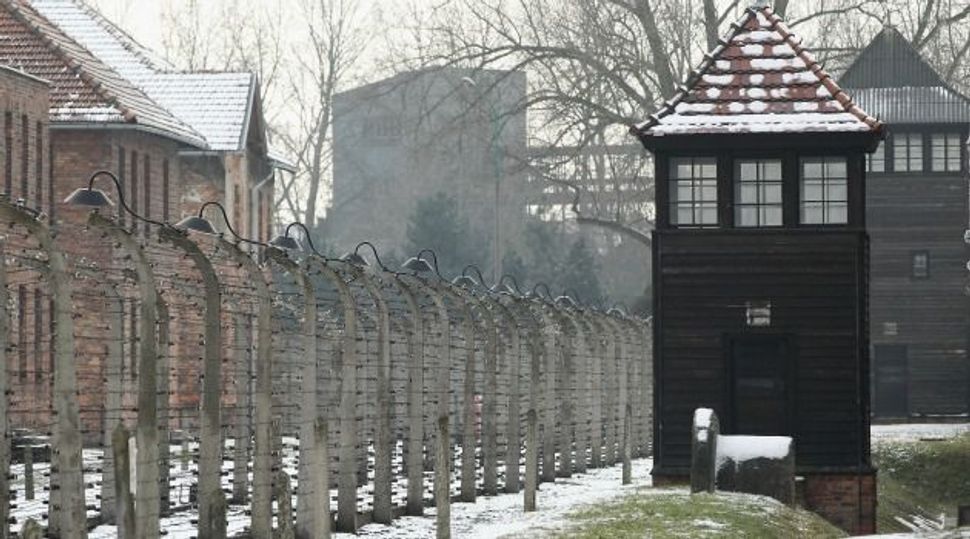
Image by Getty Images
The remains of Holocaust victims that were preserved as anatomy specimens in a French medical school were buried.
Several hundred people attended the burial ceremony Sunday at the Cronenbourg Jewish cemetery in Strasbourg in eastern France.
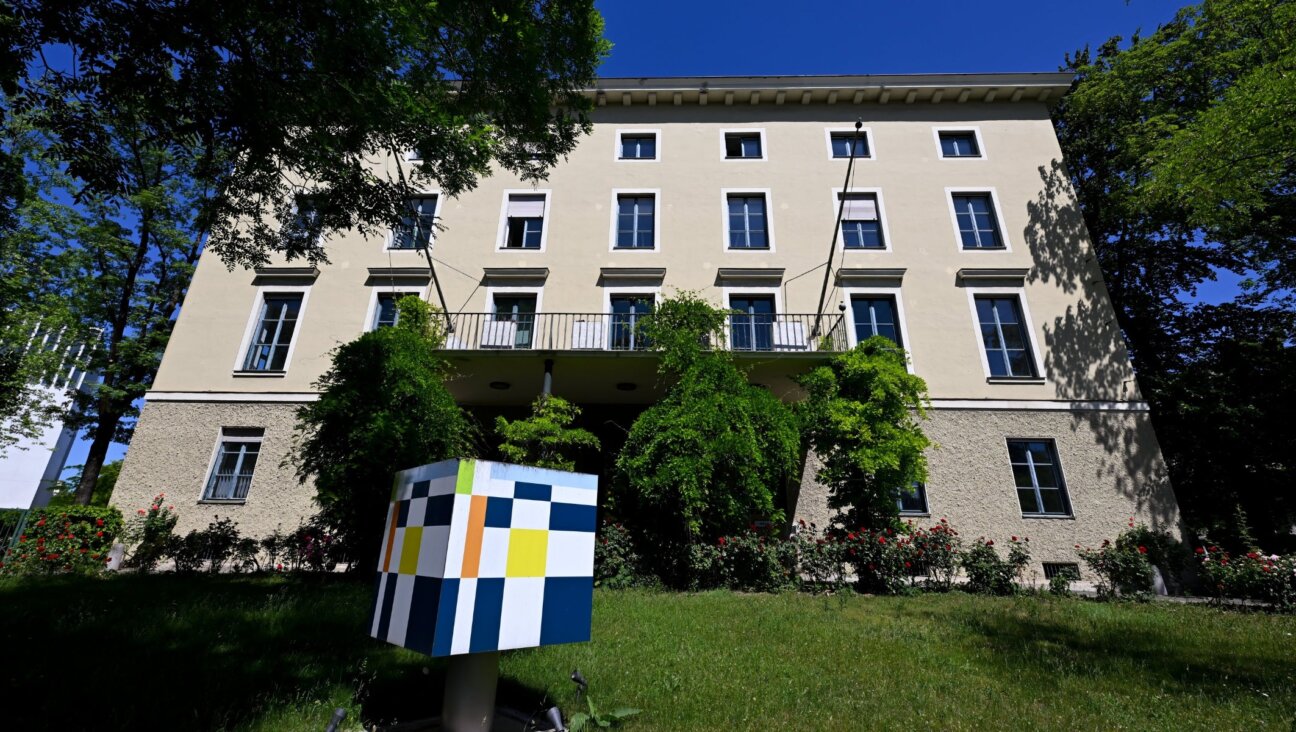
The remains, preserved in several glass containers, were discovered on July 9 at the University of Strasbourg’s Institute of Forensic Medicine by historian Raphael Toledano after years of research and denials of their existence there by the university’s administration.
One container had skin fragments that were removed from the body of a female Holocaust survivor after she had been murdered in a gas chamber. Another contained the intestines and stomach of another female victim, according to a statement by the Strasbourg municipality.
They were handed over to Strasbourg’s Jewish community about a week later.
The remains were found to be part of a collection of skeletons and other body parts managed by August Hirt, an SS captain who served as chairman of the Reich University in Strasbourg – the institution’s name under Nazi occupation – until his suicide in 1945.
He tasked two researchers in 1943 with selecting 109 prisoners for the collection at the Auschwitz-Birkenau death camp in Poland, to be transported and gassed at the Natzweiler-Struthof camp near Strasbourg. When allied forces liberated Strasbourg, they found 86 skeletons in Hirt’s collection and transferred them for burial at a local Jewish cemetery.
But testimonies suggested some human remains of Hirt’s victims remained in the university’s possession. Some of these testimonies appeared in a book published in January by historian Michel Cymes, whose French title translates as “Hypocrites in Hell – The Death Camps’ Physicians.”
While the remains belonged to several people, only one of them has been identified: Menachem Taffem, a Polish Jew who was deported to Auschwitz, the Associated Press reported.
Why I became the Forward’s editor-in-chief
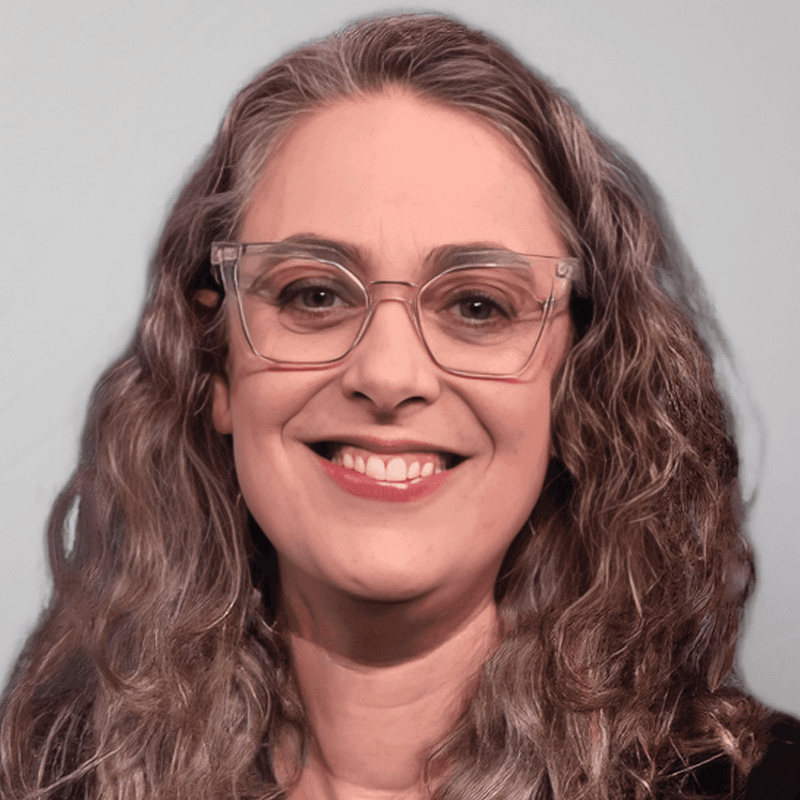
You are surely a friend of the Forward if you’re reading this. And so it’s with excitement and awe — of all that the Forward is, was, and will be — that I introduce myself to you as the Forward’s newest editor-in-chief.
And what a time to step into the leadership of this storied Jewish institution! For 129 years, the Forward has shaped and told the American Jewish story. I’m stepping in at an intense time for Jews the world over. We urgently need the Forward’s courageous, unflinching journalism — not only as a source of reliable information, but to provide inspiration, healing and hope.
 , editor-in-chief
Support our mission to tell the Jewish story fully and fairly.