Will Hasidic Draft Feud Tear Apart Benjamin Netanyahu’s Government?

Image by Getty Images
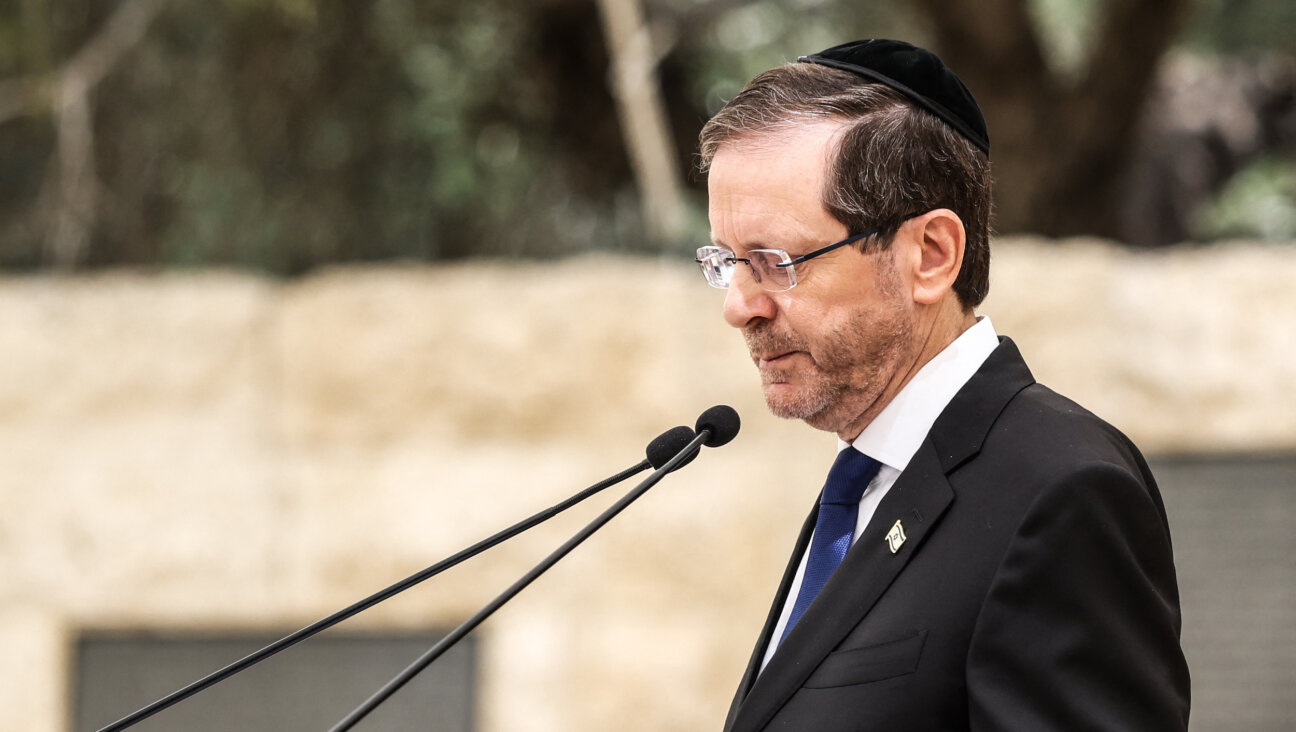
A decades-old exemption of ultra-Orthodox Jews from compulsory military service is a deeply divisive issue in Israel at the heart of a cabinet crisis that could lead to an early election.
A preliminary vote in parliament on a new bill that would maintain the exemption is expected on Tuesday. One faction in Prime Minister Benjamin Netanyahu’s six-party coalition government has vowed to defy him and oppose the legislation.
That could cause Netanyahu’s government to unravel, setting the stage for the possible dissolution of parliament and a snap election in which he would seek a new mandate to help survive corruption allegations threatening his political survival.
The exemption enjoyed by ultra-Orthodox seminary students has long caused friction in Israel, where Jewish women and men are called up for military service at the age of 18.
Army service for most lasts for two to three years and many who do not enlist perform alternative national service in the community, at schools, hospitals, and different organizations.
The ultra-Orthodox, or Haredim, say their study of the Torah is vital for the continued survival of the Jewish people and also fear that young men serving in the army would stray from the religious path.
Outside a military recruitment office in Jerusalem, 16-year-old Hananel Twito, a Haredi Jew, said his community has suggested he opt out of army service.
“I received a draft notice. For now, I still want to check. At the age of 18 I’ll choose if I want to be recruited or not. For now, I’ve postponed because I still want to check if it’s worth going or not,” Twito said.—Reuters
Why I became the Forward’s editor-in-chief
You are surely a friend of the Forward if you’re reading this. And so it’s with excitement and awe — of all that the Forward is, was, and will be — that I introduce myself to you as the Forward’s newest editor-in-chief.
And what a time to step into the leadership of this storied Jewish institution! For 129 years, the Forward has shaped and told the American Jewish story. I’m stepping in at an intense time for Jews the world over. We urgently need the Forward’s courageous, unflinching journalism — not only as a source of reliable information, but to provide inspiration, healing and hope.
— Alyssa Katz, editor-in-chief
Support our mission to tell the Jewish story fully and fairly.