The Curse Of The Dairy Kosher Restaurant in Manhattan

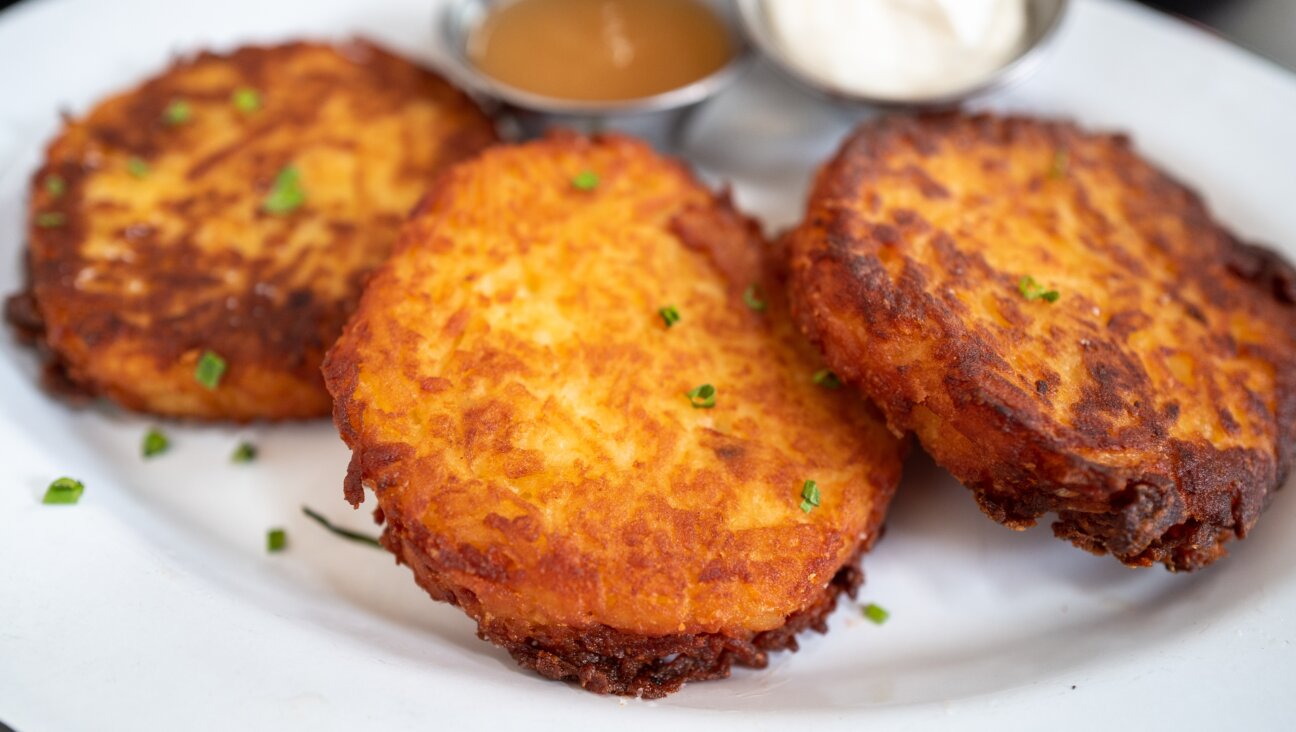
Image by iStock
Well, another kosher dairy restaurant has shuttered. Basta, the high-end Manhattan eatery, with its selection of Israeli style dairy dishes, was only open for a scant few months before closing its doors again.
In reckoning with the departure of Basta, it’s time to ask some questions about how Jews eat – and what that means for kosher dairy restaurants.
From Cafe K to the iconic va Bene to SoomSoom to Prime’s Pizza da Solo, the decline of defunct kosher dairy institutions continues to spread. What’s causing this decline?
Kosher meat restaurants are hallowed ground in Manhattan. They function as prime spots for business meetings, date nights, romantic dinners for Jewish couples determined to keep the spark alive, family outings and solo dining adventures. Kosher meat restaurants like Reserve Cut and Le Marais will always be safe (or as safe as any restaurant can be) and it isn’t because Jews are such carnivores.
So what’s causing this curious discrepancy in the future prospects of kosher dairy versus meat restaurants?
It’s because many Jewish Manhattanites will deign to eat dairy in non-kosher restaurants, but will stick to strictly kosher places for meat. A trip to the kosher dairy Basta might have been passed up in favor of trips to cheaper or trendier dairy non-kosher-certified places.
Kashruth for vegetarian or dairy food is less of a concern for many Jewish restaurant patrons, and it’s killing the kosher dairy industry. A kosher dairy restaurant must have something else going for it other than its kosher status: Location, unusual grub or a star chef are all elements that might contribute to the longevity of a kosher dairy restaurant.
But alone, a kosher dairy restaurant is a liability.
The New York City restaurant business is a brutal one, and the unusual, occasionally unpredictable ways some Jews keep kosher makes it an even more cutthroat business for businesses determined to keep kosher.
And kosher observance is complicated, and extremely personal. For some people, the fact that a place is open on Shabbat renders it non-kosher, while for other people, if the food is kosher, the place is kosher, regardless of its Saturday hours. For others, a kashrut certification from a less stringent rabbi or agency is considered treyf; others don’t really care about the politics and a simple certificate at the entrance is sufficient. Some Jews won’t eat non-kosher cooked fish out and some Jews will. There’s a scale from ‘only with a hechsher on it’ to ‘vegetarian in meat restaurants’ to ‘keeping kosher in the home but not outside of it.’ Somewhere in the middle of that scale resides Jews who will eat non-kosher dairy but not meat.
What does this mean for your average kosher-keeping Manhattanite?
Looks like it might be time to start supporting Jewish-owned kosher dairy eateries again. Or you can say goodbye to your fettucine alfredo.
Shira Feder is a writer for the Forward. You can reach her at [email protected]
It’s our birthday and we’re still celebrating!
We hope you appreciated this article. Before you go, we’d like to ask you to please support the Forward’s independent Jewish news.
This week we celebrate 129 years of the Forward. We’re proud of our origins as a Yiddish print publication serving Jewish immigrants. And we’re just as proud of what we’ve become today: A trusted source of Jewish news and opinion, available digitally to anyone in the world without paywalls or subscriptions.
We’ve helped five generations of American Jews make sense of the news and the world around them — and we aren’t slowing down any time soon.
As a nonprofit newsroom, reader donations make it possible for us to do this work. Support independent, agenda-free Jewish journalism and our board will match your gift in honor of our birthday!
Support our mission to tell the Jewish story fully and fairly.