Jewish Groups Grab Huge Share of Grants

Image by getty images

By Josh Nathan-Kazis July 5, 2012

Risky Business: Homeland Security Secretary Janet Napolitano defends the controversial grant program, saying Jews face special risks. Image by nate lavey
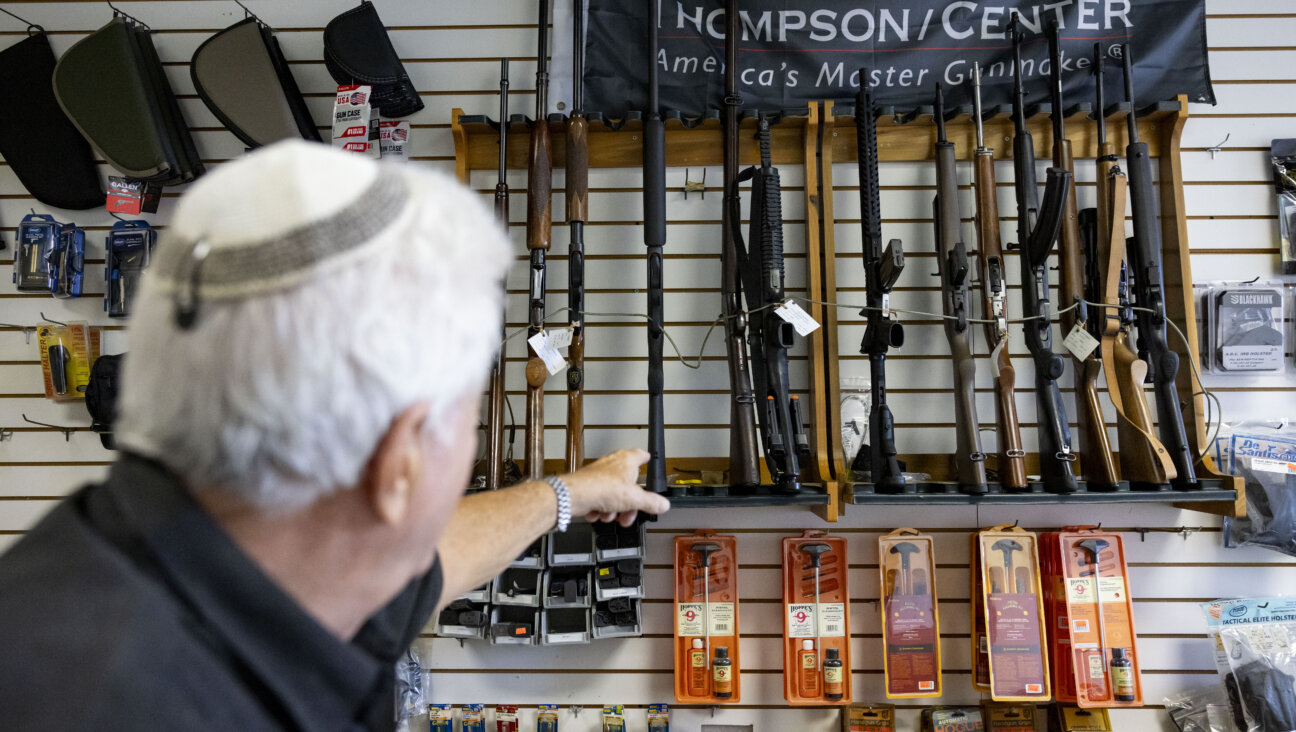
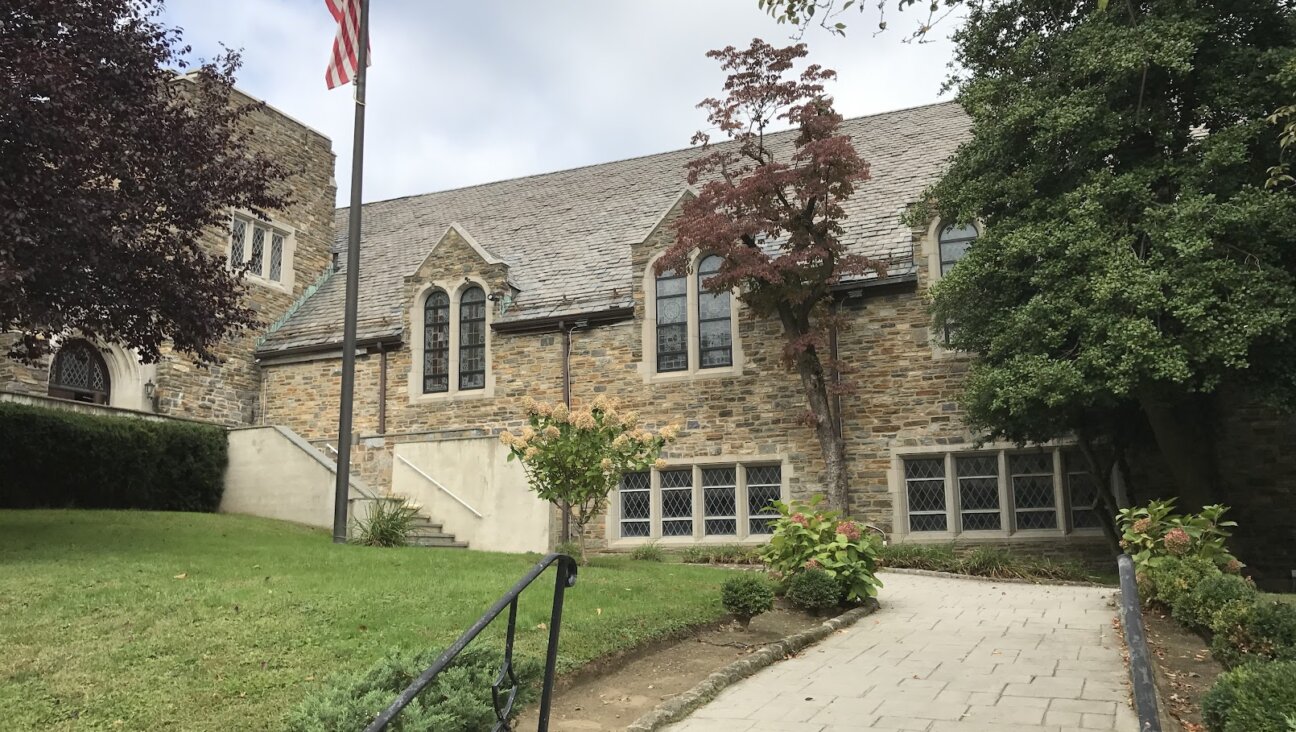
Jewish institutions throughout the United States will receive $9.7 million in federal anti-terrorism grants this year out of a total of $10 million allocated to not-for-profit institutions by the Department of Homeland Security.
That’s $6 million less than last year. But thanks to sharp cuts this year in the overall pool of money available through this program, the percentage of funds going to Jewish groups has nevertheless jumped substantially.
A full 97% of the available funds in the Non-Profit Security Grant Program for 2012 have been allocated to Jewish organizations, compared with 73% that went to Jewish groups from 2007 through 2010. In 2011, Jewish groups received about 80% of NSGP funds.
The NSGP has disproportionately benefited Jewish groups since 2005, when it was first instituted.
“Unfortunately there are risks attendant on the Jewish community that are not attendant on all other communities,” DHS Secretary Janet Napolitano said in an interview with the Forward in early June, weeks before the new allocations were announced.
The allocations in the security grant program fund security enhancements for not-for-profit institutions to defend against terrorism.
The DHS announced the grants as part of a larger $1.3 billion package of so-called preparedness grants. The 2012 allocations include $97 million for port security and $87 million to protect transit systems.
The $10 million NSGP allocation this year represents a drastic cut from the $19 million the program disbursed in 2011.
As the Forward reported last September, there’s nothing in the law authorizing the program that says it should benefit Jews specifically. But several factors, including community education regarding the program and its grant application process, have combined to help Jewish groups in particular to benefit from it.
Previously, regulations governing the allocation of the NSGP grants favored religious recipients over nonreligious. This year, that changed. According to Homeland Security documents, preferred recipients are now defined as those that have “the highest risk of terrorism-related activity due to their ideology, beliefs and mission.” But this did not have a negative impact on Jewish groups’ share of the program money available, even as the overall sum in absolute dollars decreased.
As in previous years, Orthodox Jewish groups appear to have done better than non-Orthodox Jewish groups.
A list of grant recipients released by the DHS did not specify how much each organization received. But program guidelines cap the funds provided for each project at $75,000.
Chabad, the ultra-Orthodox Hasidic group that runs outreach organizations targeting non-Orthodox Jews around the world, did particularly well. At least 35 of the 2012 grantees were linked to Chabad, out of 109 recipients overall.
Only a handful of the 109 NSGP recipients were not Jewish. A church in San Diego received an allocation, as did a Planned Parenthood center in Washington and a Catholic church in New York City.
In her interview with the Forward, Napolitano said that she saw no problem with the overwhelming proportion of NSGP funds going to Jewish groups.
“The fact that it ends up going to many Jewish organizations doesn’t in itself bother me,” Napolitano told the Forward, saying that she thought the program had been successful.
William Daroff, the Jewish Federations of North America’s vice president for public policy, said that the program’s allocations do not reflect political favoritism towards the Jewish community. “This is not pork,” he said. “This is Homeland Security officials making decisions based on threat levels.”
Contact Josh Nathan-Kazis at [email protected] or on Twitter @joshnathankazis
This is a moment of great uncertainty. Here’s what you can do about it.
We hope you appreciated this article. Before you go, we’d like to ask you to please support the Forward’s independent Jewish news. All donations are still being matched by the Forward Board - up to $100,000 until April 24.
This is a moment of great uncertainty for the news media, for the Jewish people, and for our sacred democracy. It is a time of confusion and declining trust in public institutions. An era in which we need humans to report facts, conduct investigations that hold power to account, tell stories that matter and share honest discourse on all that divides us.
With no paywall or subscriptions, the Forward is entirely supported by readers like you. Every dollar you give is invested in the future of the Forward — and telling the American Jewish story fully and fairly.
The Forward doesn’t rely on funding from institutions like governments or your local Jewish federation. There are thousands of readers like you who give us $18 or $36 or $100 each month or year.

Support our mission to tell the Jewish story fully and fairly.