Graphic by Angelie Zaslavsky
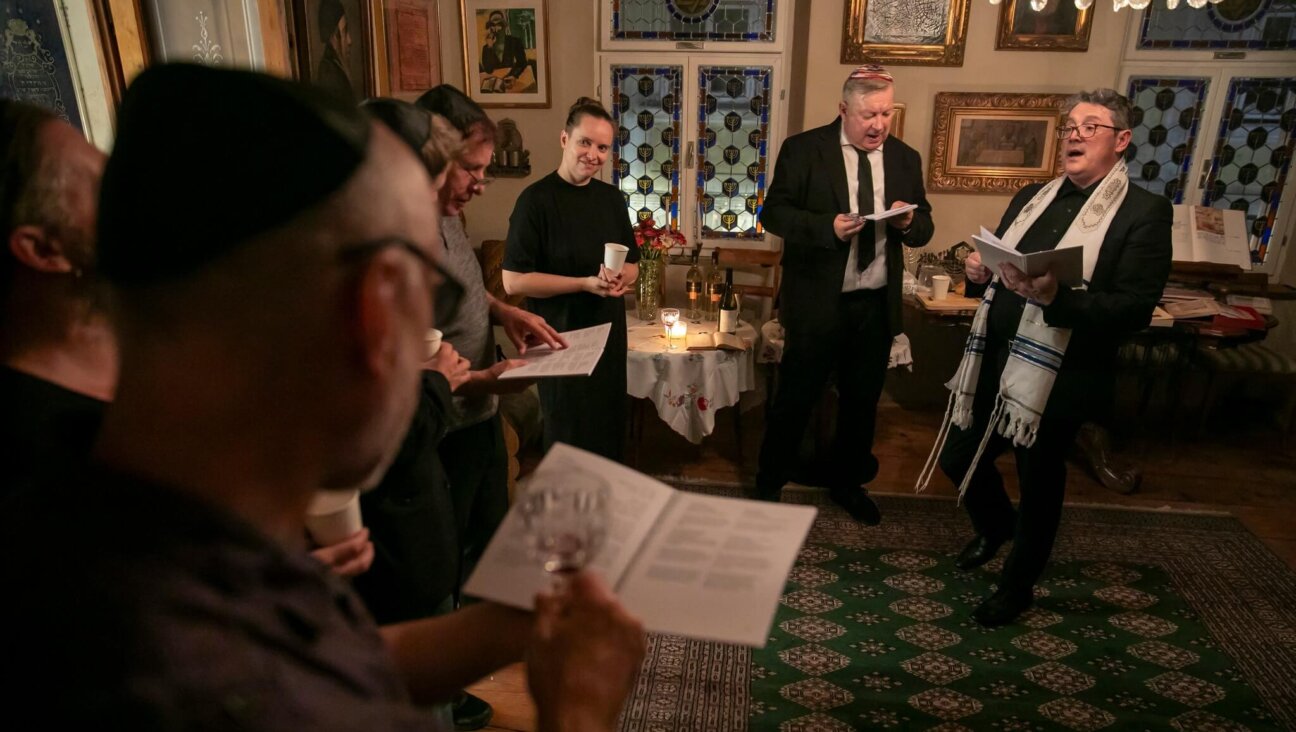
At one Friday night dinner hosted by Base DWTN, Avram Mlotek said that back in early 20th-century Poland, around his grandparents’ Shabbos table, the whole family regrouped. Traditionally, all the relatives — the Communist brother, the Socialist sister, the Hasidic cousins and the secular cousins — came back to the Shabbos table. This Shabbos table model is how Avram reinvigorates tradition. There aren’t many places where any millennial can go to find everything Jewish. However, it makes sense that if it would be anywhere, it would be inside a Jewish home. Avram and his wife, Yael, have recaptured the Jewish home as a convening place. They’ve made it pluralistic and accepting and diverse and dedicated it to the community they are serving. If you stop in to the Mlotek home on any given night, you might find a gathering of Yiddishists singing Socialist worker songs, their weekly service project cooking for the men’s shelter across the street, their mental health support group, text study groups, programming on the Syrian refugee crisis or Kristallnacht, or a raucous Purim feast. With such a well-executed focus on pluralism and the renewed tradition of centering Judaism around a rabbinic couple, it’s no surprise that the Base model has been such a hit.
— Samuel Langstein
+10 other nominations

Did you know that only 2% of Forward readers donate to support our nonprofit newsroom? That 2% make it possible for millions to read the Forward without a paywall or subscription — removing any barriers to the full and fair Jewish story.
But while the Forward is free to read, it isn’t free to produce. Big stories — like deep dives into the antisemitism data, political scoops or reporting trips to college campuses — take months of research and fact-checking. All while we keep you informed of what you need to know each day.
— Rachel Fishman Feddersen, Forward Publisher & CEO
Support our mission to tell the Jewish story fully and fairly.