Drug Charges Dropped in Philip Seymour Hoffman Case

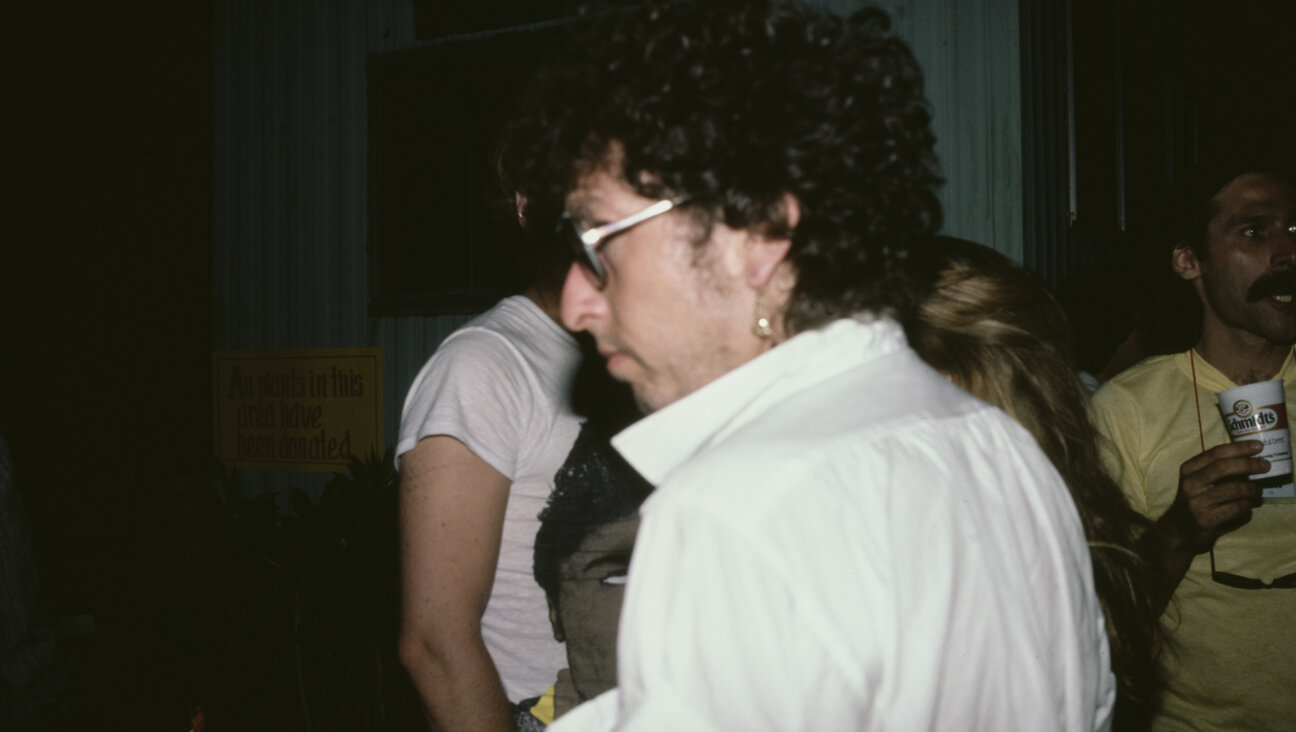
Image by getty images
The Manhattan district attorney has dropped drug-selling charges against a jazz musician and friend of late film star Philip Seymour Hoffman, who died of an accidental drug overdose in February, the New York Times newspaper reported.
Montreal-born Robert Aaron Vineberg, 58, was arrested after police traced what they believed to have been the source of the heroin suspected of killing the Oscar-winning actor. Vineberg was charged with intent to sell heroin.
The charges were dropped on Thursday because of “evidentiary issues that have come to light”, the Times quoted assistant district attorney Jon Veiga as saying.
The district attorney said in an Aug. 14 letter that two police officers who first interrogated Vineberg after his arrest had not read him his Miranda rights – which include the right to remain silent and the right to an attorney – , rendering his statements to them unusable in court, the newspaper said.
Vineberg pleaded guilty on Thursday to possession of heroin, a lesser felony. He agreed to serve five years’ probation, perform community service, continue drug addiction treatment and to forfeit money confiscated during his arrest, the New York Times reported.
Hoffman, who won a Best Actor Oscar in 2005 for his role as Truman Capote in “Capote”, was found unresponsive on the bathroom floor of his Manhattan apartment by police responding to an emergency 911 call.
The cause of death was acute drug intoxication, including heroin, cocaine, benzodiazepines and amphetamine, the New York City Chief Medical Examiner found.
Vineberg painted himself a scapegoat who people blamed because of his connection to Hoffman and denied ever selling the actor drugs.
“At some level, it’s like the Salem witch trials,” Vineberg told the Times this year. “You can’t have a witch hunt without a witch. I’m just unlucky enough to be the guy.”
Why I became the Forward’s editor-in-chief
You are surely a friend of the Forward if you’re reading this. And so it’s with excitement and awe — of all that the Forward is, was, and will be — that I introduce myself to you as the Forward’s newest editor-in-chief.
And what a time to step into the leadership of this storied Jewish institution! For 129 years, the Forward has shaped and told the American Jewish story. I’m stepping in at an intense time for Jews the world over. We urgently need the Forward’s courageous, unflinching journalism — not only as a source of reliable information, but to provide inspiration, healing and hope.
 , editor-in-chief
Support our mission to tell the Jewish story fully and fairly.