Argentina orders cremation of Jewish COVID victim despite family’s protest

Image by Getty Images
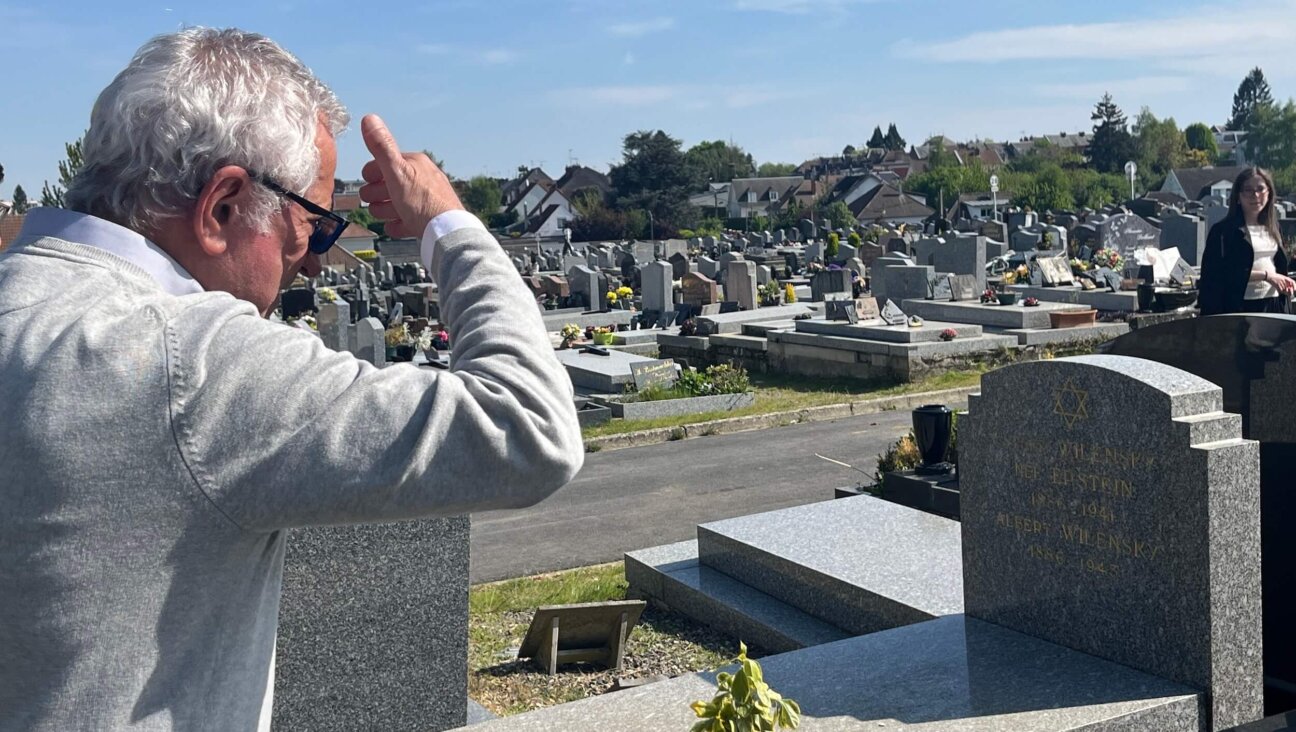
BUENOS AIRES (JTA) — Despite protests from a Jewish community near Buenos Aires, the first Jewish victim of the coronavirus in Argentina was cremated by local authorities, causing controversy and sparking concern among other Jewish communities throughout the country.
Cremation of the dead is not allowed under religious Jewish law.
Ruben Bercovich, a 59-year-old businessman and father of three, passed away on Thursday in Resistencia, the capital of the northern Chaco province. Bercovich, owner of the BercoMat construction materials company, had returned to Argentina on March 9 after a trip to the United States.
His death and subsequent cremation has started a dialogue between Argentine rabbis and officials over a possible compromise to uphold Jewish law. Authorities said the cremation was a best practice to avoid further spread of the disease.
As a public service during this pandemic, the Forward is providing free, unlimited access to all coronavirus articles. If you’d like to support our independent Jewish journalism, click here.
Rabbis and officials have already compromised on leaving open mikvahs, or Jewish ritual baths. Those who wish to use one correspond with the government and get a code to enter once they are deemed healthy enough.
Bercovich was active in Jewish institutions in the Chaco community and represented Argentina in golf in global Maccabiah Games events.
The post Cremation of first Jewish victim of coronavirus in Argentina stirs controversy appeared first on Jewish Telegraphic Agency.
"Why I became the Forward’s Editor-in-Chief"

You are surely a friend of the Forward if you’re reading this. And so it’s with excitement and awe — of all that the Forward is, was, and will be — that I introduce myself to you as the Forward’s newest editor-in-chief.
And what a time to step into the leadership of this storied Jewish institution! For 129 years, the Forward has shaped and told the American Jewish story. I’m stepping in at an intense time for Jews the world over. We urgently need the Forward’s courageous, unflinching journalism — not only as a source of reliable information, but to provide inspiration, healing and hope.
Support our mission to tell the Jewish story fully and fairly.