US antisemitism official expresses concern for Ukrainian religious sites
Graphic by Angelie Zaslavsky
The top State Department official on antisemitism told American Jewish leaders Wednesday that he is worried about religious sites in Ukraine.
“Russia’s unprovoked and unjustified invasion now may include destruction to religious and cultural sites in Ukraine,” said Aaron Keyak, the deputy envoy to monitor and combat antisemitism, on a Zoom call hosted by the Jewish the Jewish Federations of North America.
“We are appalled by reports that a Russian missile had struck near the hallowed Holocaust memorial site of Babi Yar,” he added.
Keyak also decried Russian President Vladimir Putin’s assertion last week that Russian forces intended to carry out the “denazification” of Ukraine.
“Putin’s claim that Ukraine is a hotbed of Naziism is a blatant fabrication and yet another of the false pretexts of his war, his war of choice,” Keyak said. “It’s not the first time the Kremlin has cynically accused its neighbors of neo-Nazism and fascism as a cover for its own provocations and human rights abuses.”
He called Putin’s claim “exploitation of the history and suffering of the Holocaust and World War II.” Keyak is the interim director of the State Department office that deals with antisemitism globally until President Biden’s nominee, renowned Holocaust historian Deborah Lipstadt, is confirmed in the job, which holds the rank of ambassador and requires Senate approval.
Republicans on the Senate Foreign Relations Committee had held up a hearing vote on Lipstadt, who was nominated in July, for seven months. But she testified before the committee last month and it is scheduled to vote on her nomination Tuesday.
The full Senate must then approve her nomination for her to become ambassador.
Why I became the Forward’s Editor-in-Chief
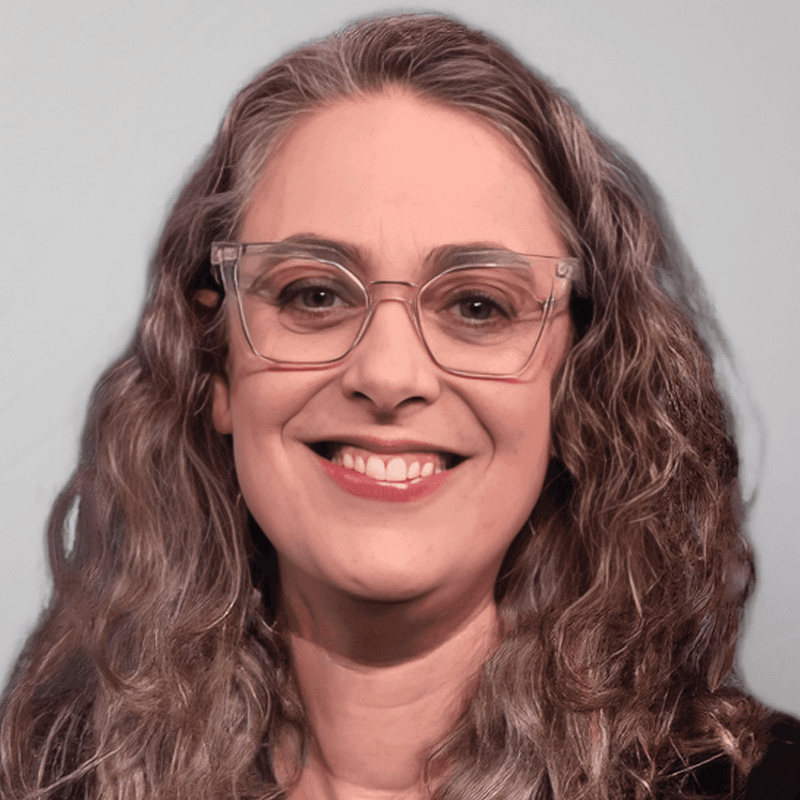
You are surely a friend of the Forward if you’re reading this. And so it’s with excitement and awe — of all that the Forward is, was, and will be — that I introduce myself to you as the Forward’s newest editor-in-chief.
And what a time to step into the leadership of this storied Jewish institution! For 129 years, the Forward has shaped and told the American Jewish story. I’m stepping in at an intense time for Jews the world over. We urgently need the Forward’s courageous, unflinching journalism — not only as a source of reliable information, but to provide inspiration, healing and hope.
Support our mission to tell the Jewish story fully and fairly.