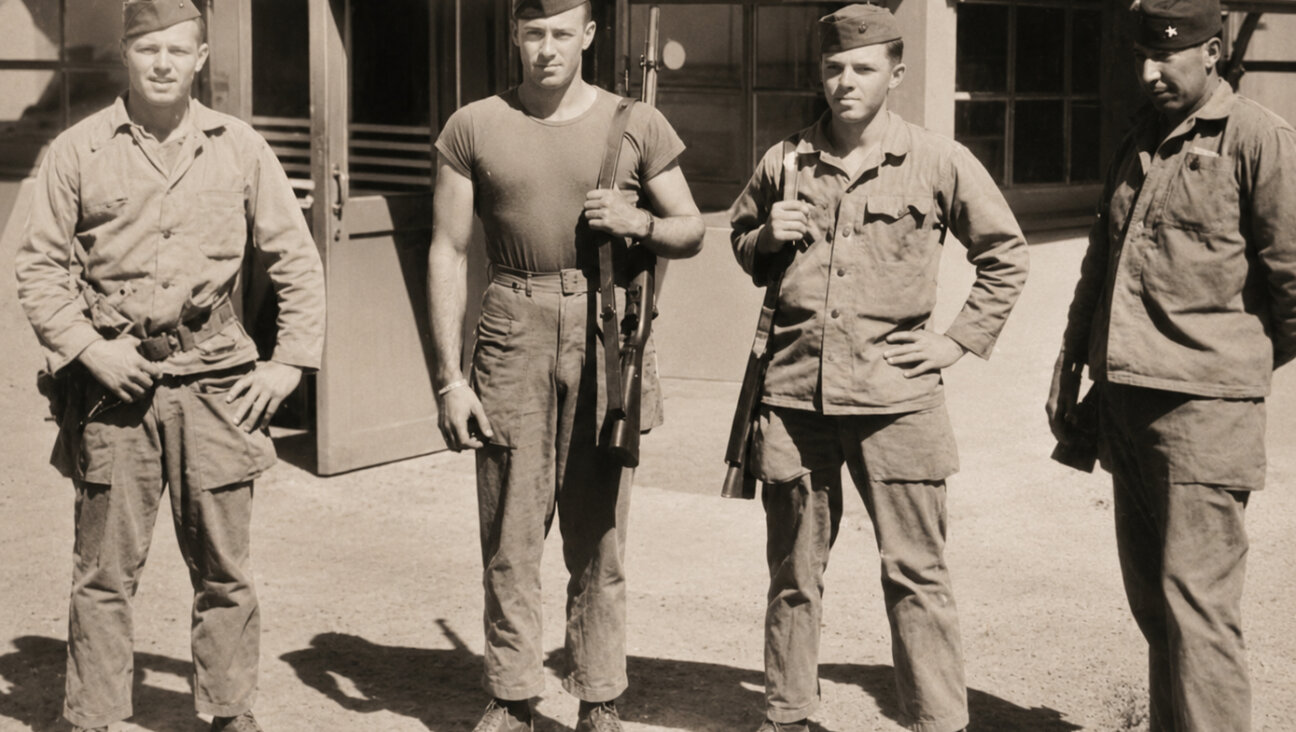
Mamdani visits Holocaust survivor at her apartment on Holocaust Remembrance Day
Mayor Zohran Mamdani has faced pushback from Jewish New Yorkers for his positions on Israel
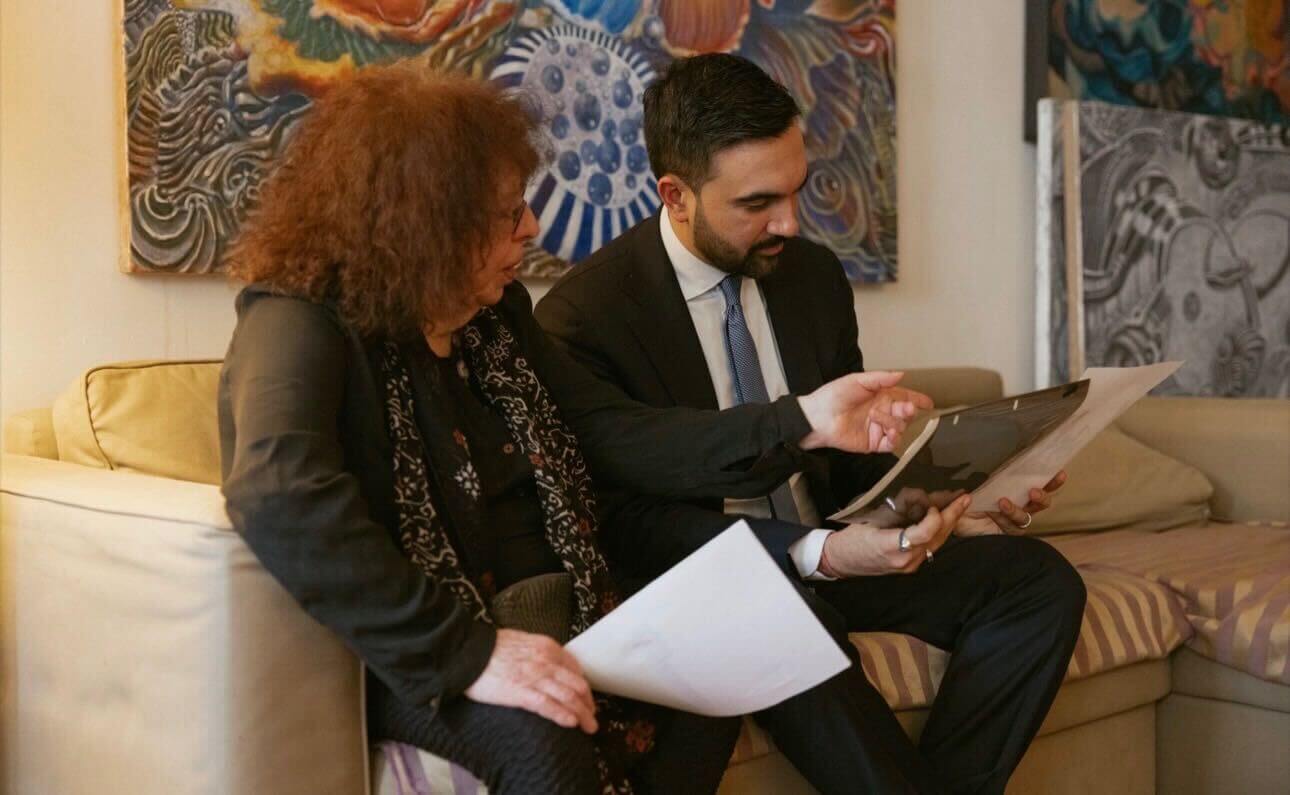
Olga Spiegel, an artist, has lived for nearly five decades in the same rent-stabilized Manhattan apartment, where she was visited by Mayor Zohran Mamdani. Courtesy of Office of the Mayor

By Jacob Kornbluh January 27, 2026
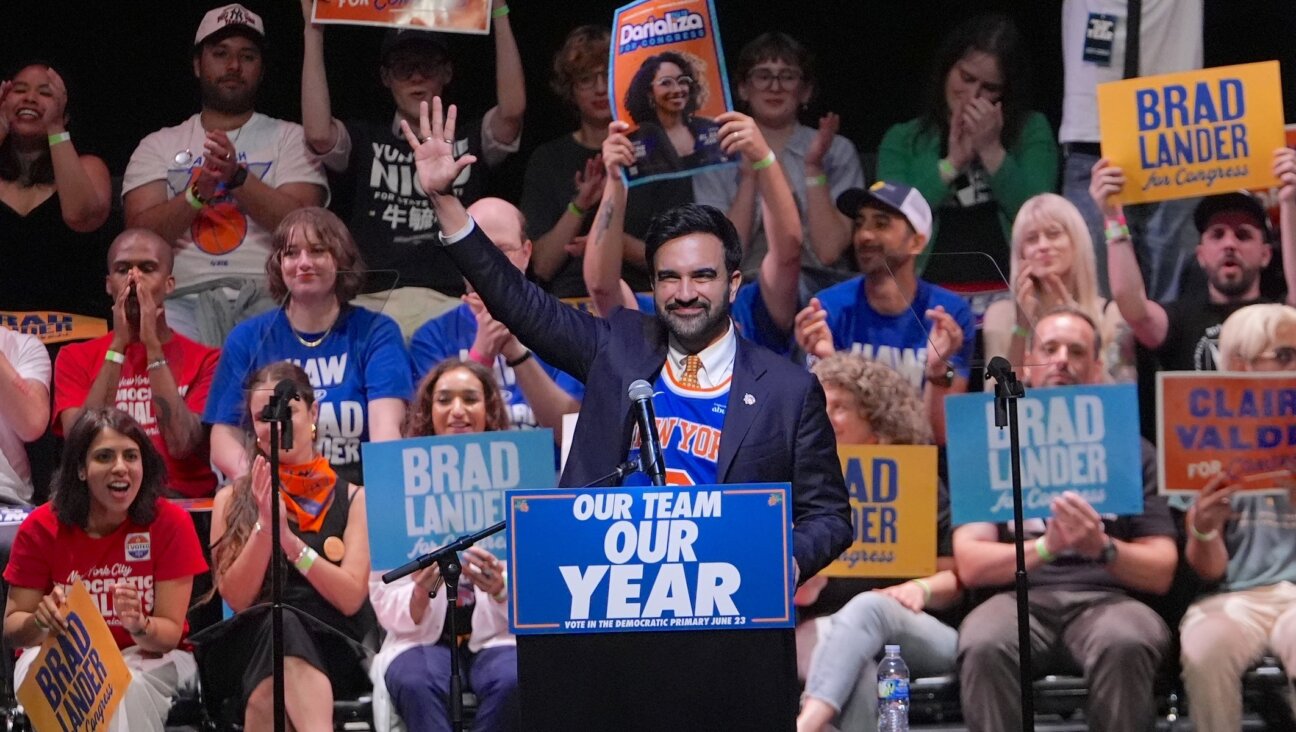
New York City Mayor Zohran Mamdani on Tuesday made a private visit to the Manhattan apartment of an 82-year-old Holocaust survivor, a gesture to a Jewish community divided over his positions, and reflecting his focus on affordability and dignity for New Yorkers living on fixed incomes.
Marking International Holocaust Remembrance Day, Mamdani spent 40 minutes talking with Olga Spiegel, who was born in France in 1943 after her family fled there, believing French children would not be separated from their parents. Her father was later deported to a concentration camp. Spiegel escaped with her mother into Italy, hiding for months in a stable before being sheltered by a priest in Rome until liberation, according to Blue Card, an organization that assists Holocaust survivors in need and organized the visit.
Mamdani allocated discretionary funds to the organization while serving as a member of the New York State Assembly, and its executive director, Masha Pearl, was a member of Mamdani’s transition team.
New York is home to the largest population of Holocaust survivors outside of Israel, with an estimated 14,000 to 15,000 living in the metropolitan area. More than 5,000 are at or below the poverty line, most live alone and many are homebound. Nearly 40% struggle to meet basic needs such as food, housing and medical care, according to the organization, and 84% survive on less than $24,000 a year, largely from Social Security and modest pensions.
City Hall described the private visit, which was not listed on the mayor’s public schedule, as warm and welcoming.
“It was an incredibly powerful meeting,” said Monica Klein, a spokesperson for the mayor, “and drove home that the Holocaust is not simply a thing of the past, but something that impacts countless New Yorkers every single day.”
An artist, Spiegel settled in New York in the mid-1960s and has spent the past 48 years in the same rent-stabilized apartment on the lower east side of Manhattan. Spiegel showed Mamdani her studio and artwork, and the two bonded over their shared love of art. The mayor also shared his family’s immigration story.
The visit came amid growing scrutiny of Mamdani’s approach to Jewish issues. His anti-Zionist worldview and revocation of executive orders tied to antisemitism and pro-Palestinian protests on his first day in office were met with criticism from mainstream Jewish organizations.
During the mayoral primary last year, Mamdani faced backlash over his decision not to co-sponsor a resolution commemorating the Holocaust in the state legislature. Mamdani pushed back, saying he voted in favor of the Holocaust Remembrance Day resolution every year since he entered the Assembly in 2021 “to honor the more than 6 million Jewish people murdered by the Nazis.”
In a statement posted on X earlier Tuesday, Mamdani said Holocaust Remembrance Day “calls on us to do more than reflect; it calls on us to act — to confront antisemitism wherever it exists and to reject all forms of hatred and dehumanization.”
Did you know that only 2% of Forward readers donate to support our nonprofit newsroom? That 2% make it possible for millions to read the Forward without a paywall or subscription — removing any barriers to the full and fair Jewish story.
But while the Forward is free to read, it isn’t free to produce. Big stories — like deep dives into the antisemitism data, political scoops or reporting trips to college campuses — take months of research and fact-checking. All while we keep you informed of what you need to know each day.
— Rachel Fishman Feddersen, Forward Publisher & CEO
Support our mission to tell the Jewish story fully and fairly.