Mamdani-backed Eli Northrup beats Rabbi Stephanie Ruskay in State Assembly race
The fight for an Upper West Side seat in the New York legislative assembly pits two New York establishments against each other
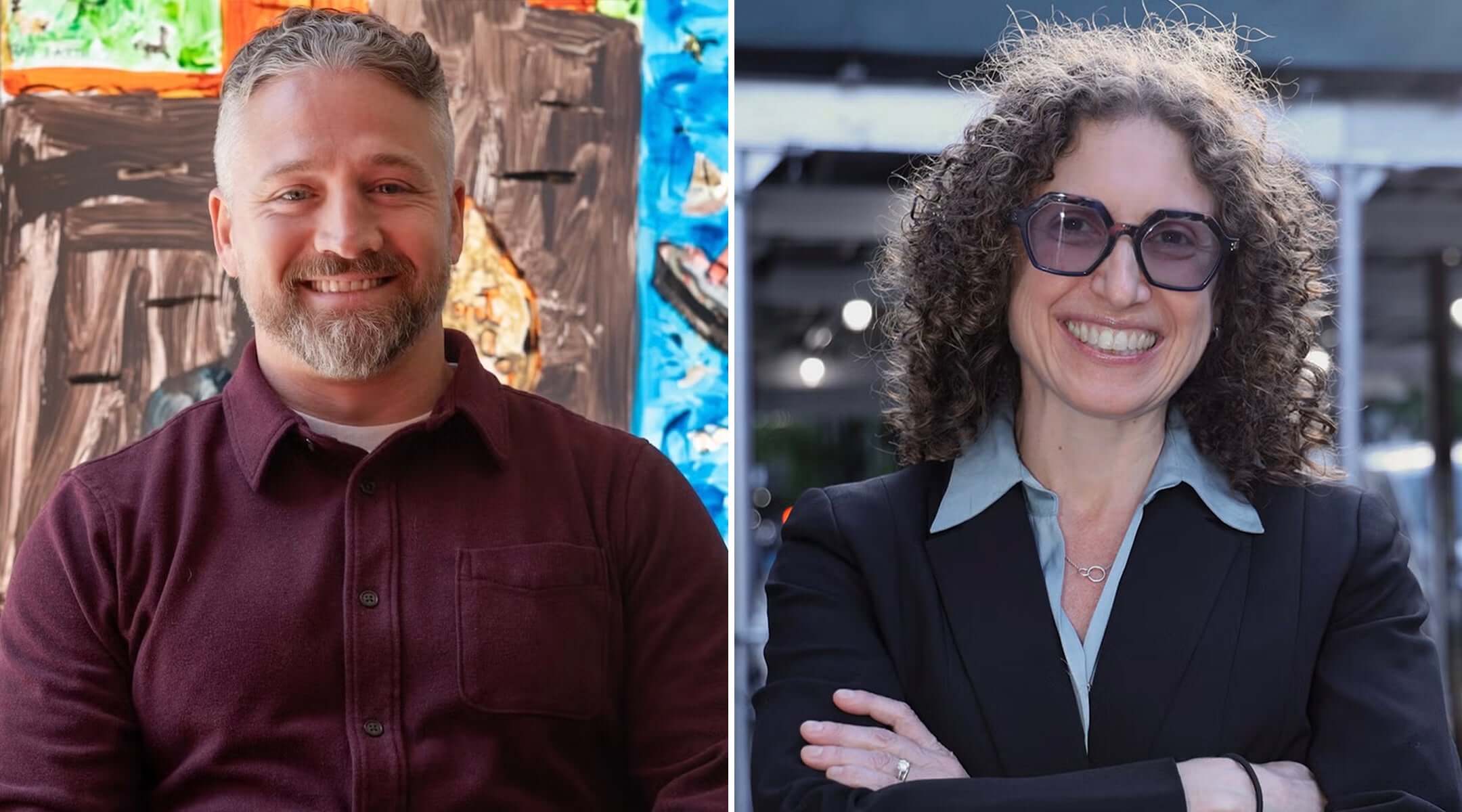
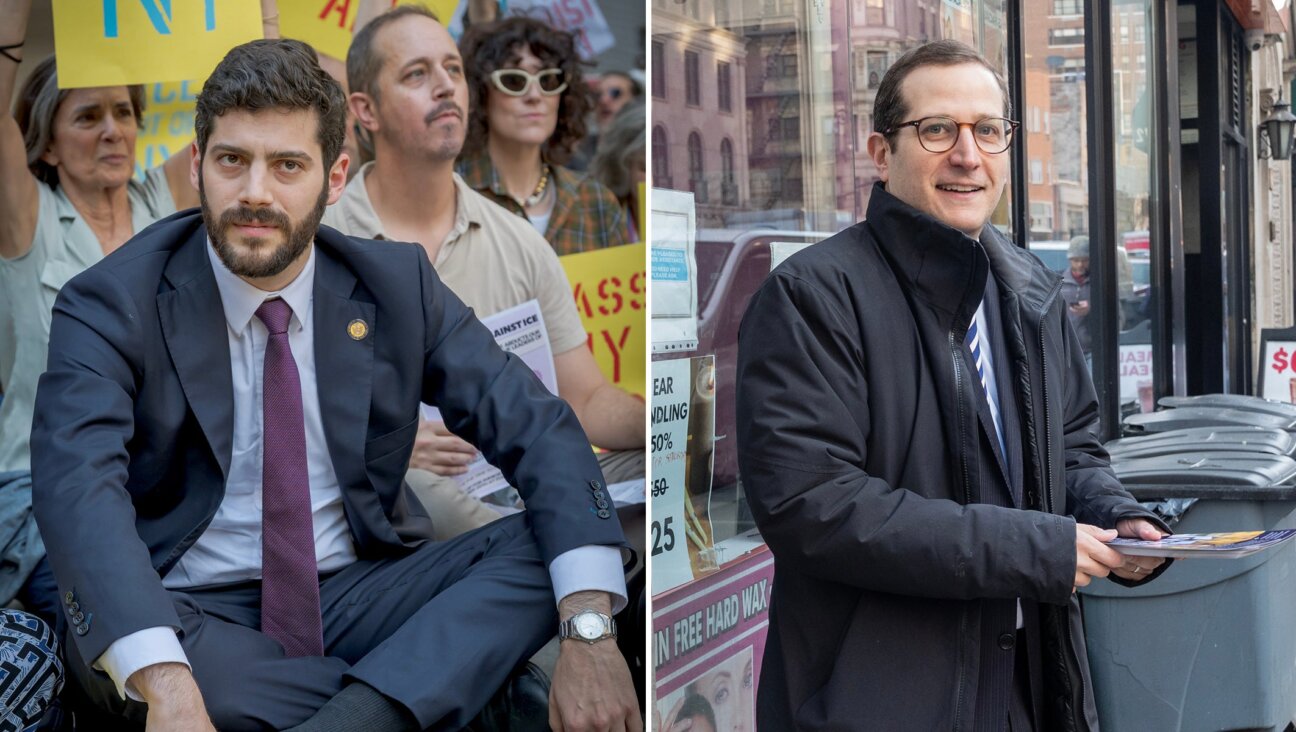
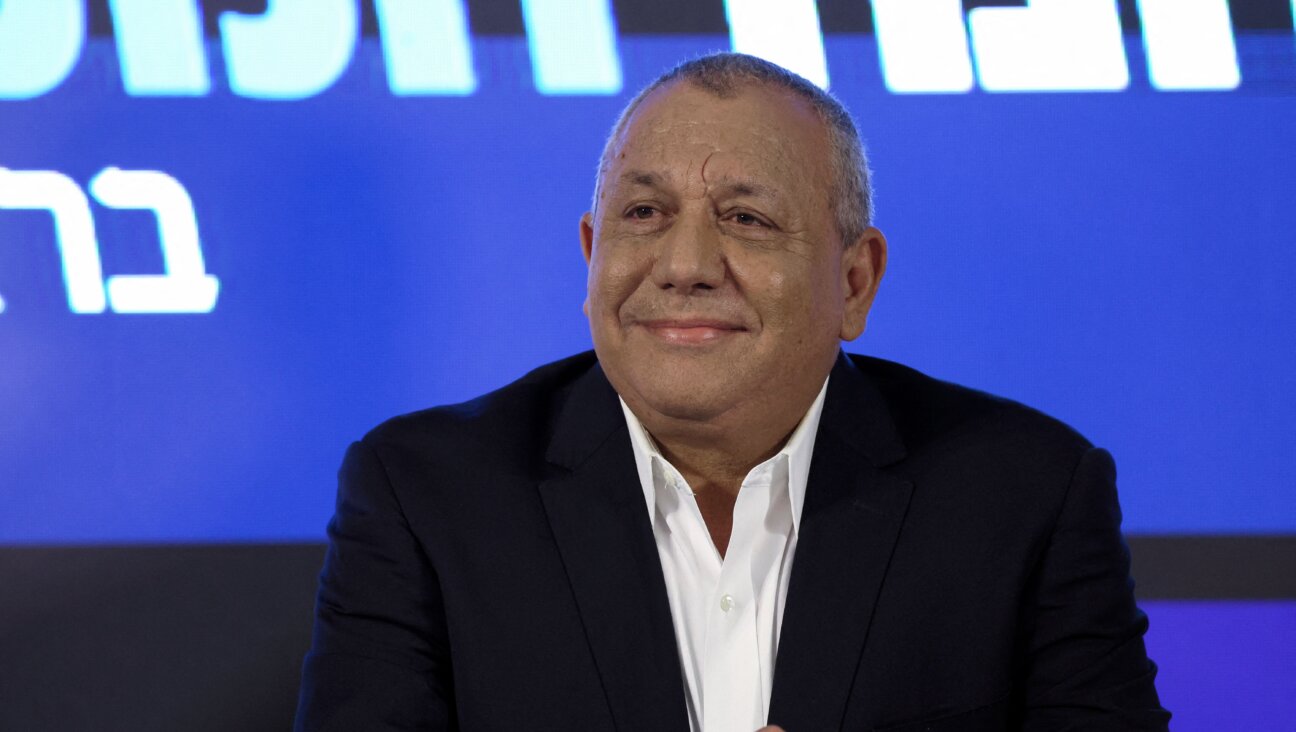
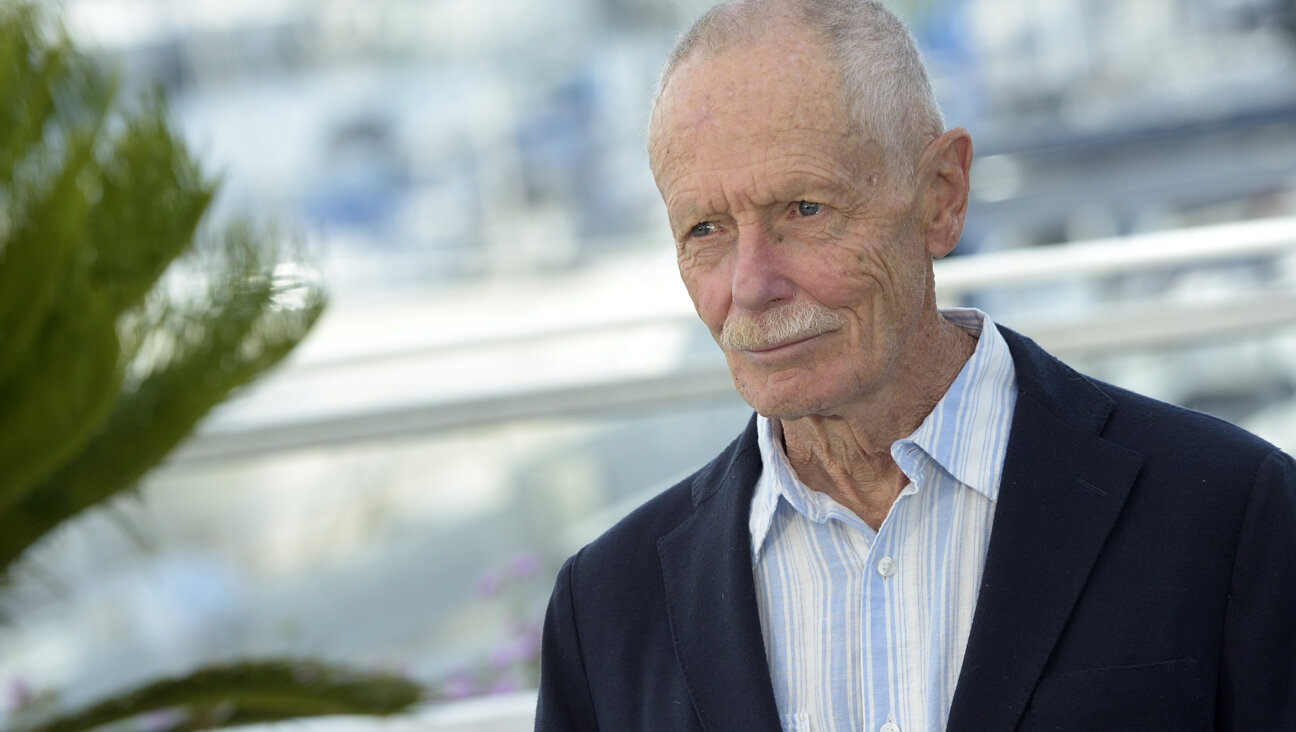
Public Defender Eli Northrup (left) and Rabbi Stephanie Ruskay face off on Tuesday. (Photo by Joseph Strauss and courtesy photo.)
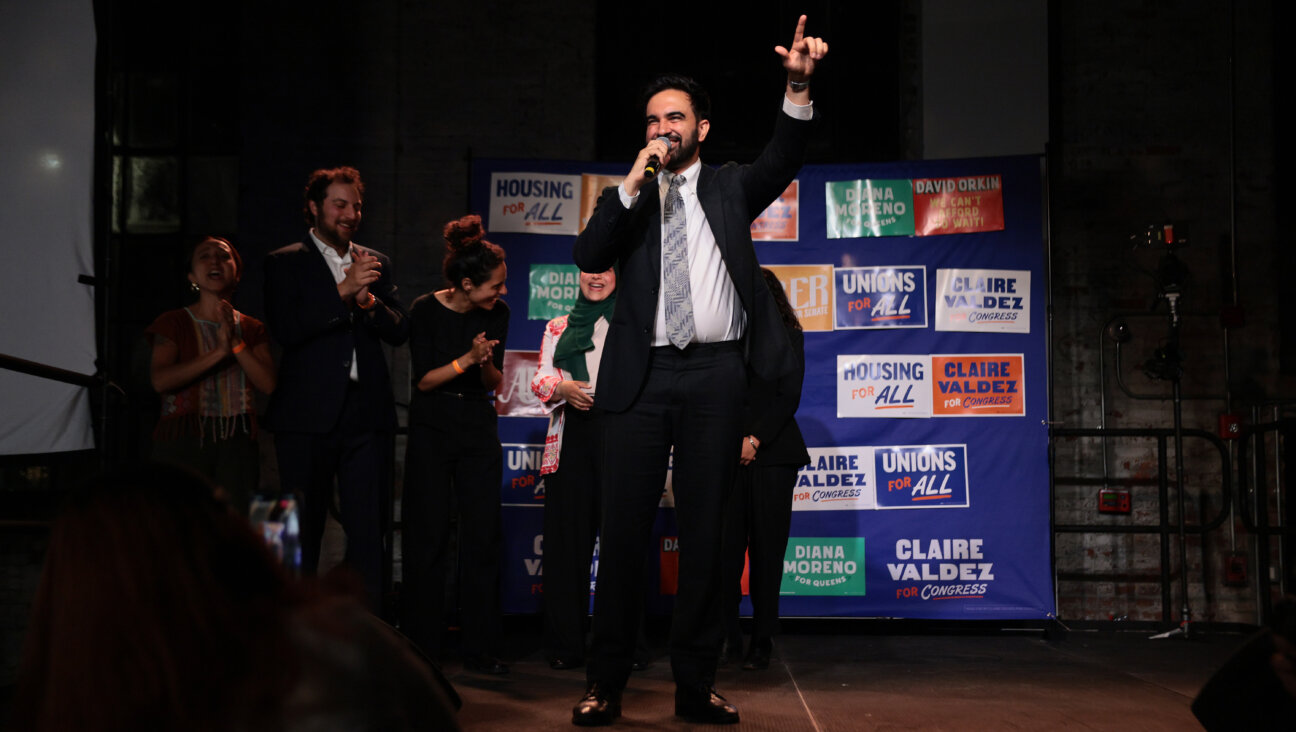
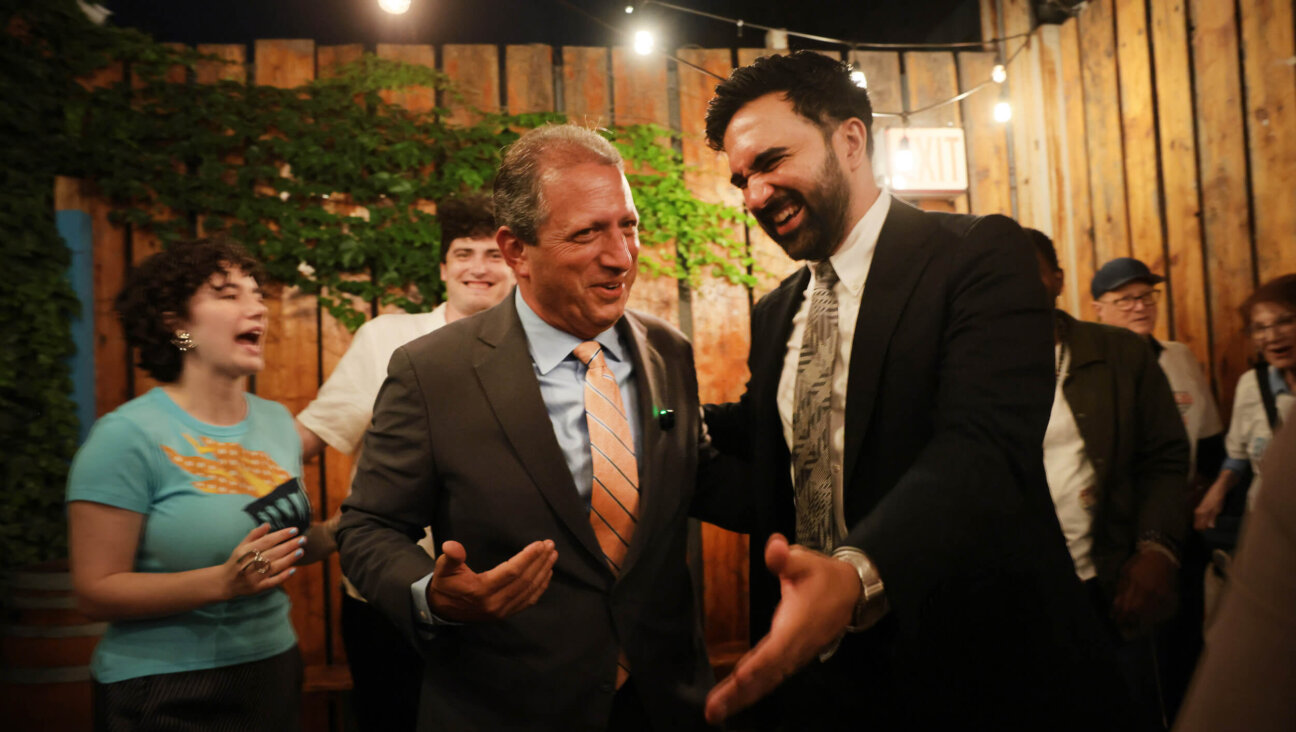
(New York Jewish Week) — Eli Northrup trounced Stephanie Ruskay Tuesday night in the hotly contested Democratic primary for the State Assembly’s District 69, which covers much of the Upper West Side. With 92% of the vote counted, Northrup was beating Ruskay 60.3% to 39.4%.
Northrup, endorsed by Mayor Zohran Mamdani, is a public defender and the grandson of a Jewish civil rights lawyer who worked on Supreme Court cases to combat antisemitism and racial segregation in the 1950s. He defeated Ruskay, who would have been the first female rabbi elected to state office in U.S. history.
The district covers all of Morningside Heights, including the Columbia University campus roiled in 2024 by pro-Palestinian protests over Israel’s actions in Gaza.
The endorsements for the candidates told a story of two New York establishments vying over prime legislative real estate: Mamdani’s Israel-critical progressives versus the city’s storied Jewish liberals.
Along with Mamdani’s blessing, Northrup won prized endorsements from left-wing icons who ran now legendary insurgent campaigns: Vermont Sen. Bernie Sanders, whose energetic presidential primary run in 2016 helped doom Hillary Clinton’s presidential run; and New York Rep. Alexandria Ocasio-Cortez, whose ouster of top Democrat Joseph Crowley in a 2018 primary paved the way for the youthful congressional “Squad.” Mamdani roiled this election season with endorsements of democratic socialists challenging incumbent congressional Democrats.
Ruskay was endorsed by leading Jews in New York politics, such as City Council Speaker Julie Menin, City Comptroller Mark Levine, Manhattan Borough President Brad Hoylman-Sigal and former Borough President Ruth Messinger. She also had the backing of ActJew, a nonprofit focused on combating antisemitism, and the New York Solidarity Network, a pro-Israel group.
Ruskay and Northrup, who both identify as progressives, battled in a neighborhood where nearly one-third of households are Jewish. The Assembly seat opened in the fall when current Assembly member Micah Lasher, who is also Jewish, decided to run for Congress.
The district overwhelmingly supported Mamdani in the 2025 mayoral race, when his sharp criticism of Israel broke with the city’s Democratic establishment and fomented ongoing tensions with segments of the Jewish community.
Northrup is a full-throated supporter of the mayor who volunteered for his campaign. Ruskay has voiced more tepid views on Mamdani, acknowledging that many Jewish New Yorkers disagreed with his views about Israel.
“When we agree, I’ll be very excited to work together, and when we don’t agree or when I know that I represent people who have a very different perspective from what’s happening, then my job is to bring that into the room,” Ruskay told the Jewish Telegraphic Agency in December.
Ruskay joined New York’s annual Israel Day Parade in May, which Mamdani skipped. She said on X that she was “proud” to attend the gathering, which she described as a reminder of “the deep bonds between New York’s Jewish community and Israel, and of the strength, resilience, and vibrancy of Jewish life.”
Northrup has resisted the long tradition among Jewish Democrats of identifying as a Zionist. “I don’t know that it’s serving us to be categorizing people as Zionist or anti-Zionist,” he told JTA last month. “I certainly don’t see myself in those terms.”
Both candidates cited their faith and Jewish values as driving their politics. They agree on building more affordable housing, filling the district’s many vacant storefronts, supporting unions and enforcing labor laws. Both also voiced their commitment to fighting President Donald Trump and his crackdown on immigration.
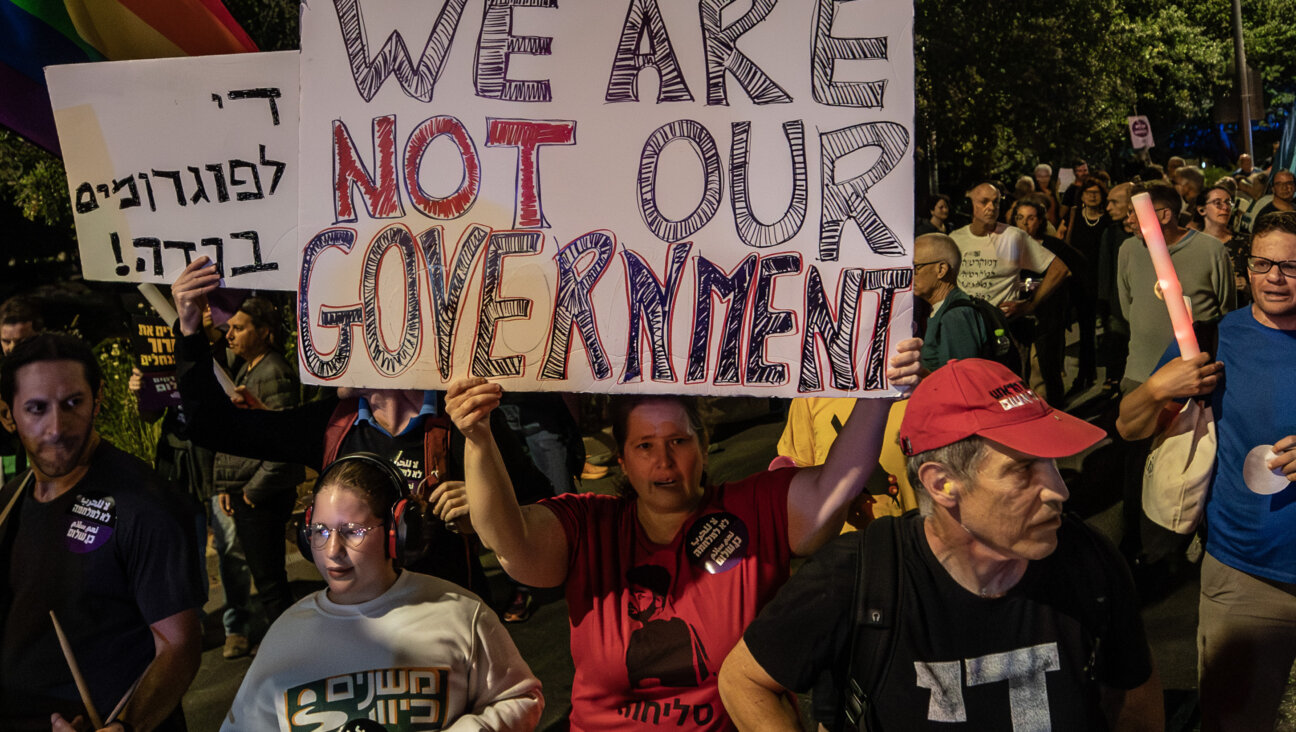
One of their rare areas of disagreement was the fight over “buffer zones” to insulate synagogues from protests, a flashpoint in New York politics. The city and state both recently passed legislation that restricts demonstrations outside houses of worship. Some Jewish leaders and lawmakers championed the measures in the aftermath of a string of pro-Palestinian rallies outside synagogues, which were hosting events that promoted migration to Israel and real estate sales in Israel and the West Bank.
Ruskay supports the buffer zones. She has argued they are necessary to protect Jews from intimidation, saying during a candidate forum in May, “In the world as we wish it was, I don’t think that you should have [to] have a buffer zone. But in the world that we actually live in right now, I think that we do need one.”
Northrup, meanwhile, said in the forum that outlawing protest within a certain distance of an institution “wouldn’t pass constitutional muster,” citing Planned Parenthood and the ACLU. He told JTA that buffer zones were more symbolic than effective in addressing rising antisemitism, and that he instead supported multifaith education and building alliances across communities.
Various civil rights groups and Jewish progressives, such as Jews for Racial & Economic Justice, have said that buffer zone laws infringe on free speech and assembly. JFREJ has endorsed Northrup.
Northrup’s skepticism of the laws aligns with Mamdani’s views. The mayor resisted signing the City Council’s buffer zone bill pertaining to houses of worship, though it became law with a veto-proof majority, and he vetoed a separate bill implementing buffer zones around schools.
Ruskay has received $25,000 from the American Centerpoint PAC, which was formed on June 11, according to City and State. The PAC’s sole contributor was Adeena Rosen, a key figure in the Solidarity PAC that boosted pro-Israel candidates in 2024 state races.
In a race lacking publicly available polls, fundraising is a significant indicator. The candidates were neck-and-neck in fundraising on Election Day, with Ruskay gathering $436,381 and Northrup raising $443,522, according to Transparency USA.
Did you know that only 2% of Forward readers donate to support our nonprofit newsroom? That 2% make it possible for millions to read the Forward without a paywall or subscription — removing any barriers to the full and fair Jewish story.
But while the Forward is free to read, it isn’t free to produce. Big stories — like deep dives into the antisemitism data, political scoops or reporting trips to college campuses — take months of research and fact-checking. All while we keep you informed of what you need to know each day.
— Rachel Fishman Feddersen, Forward Publisher & CEO
Support our mission to tell the Jewish story fully and fairly.