What Is Tzipi Livni Thinking?
Given that Israeli Prime Minister Benjamin Netanyahu is hardly famed for his enthusiasm on the peace process, it’s interesting that his first signing for his new coalition is the party that ran the campaign with the strongest make-peace-with-the-Palestinians emphasis
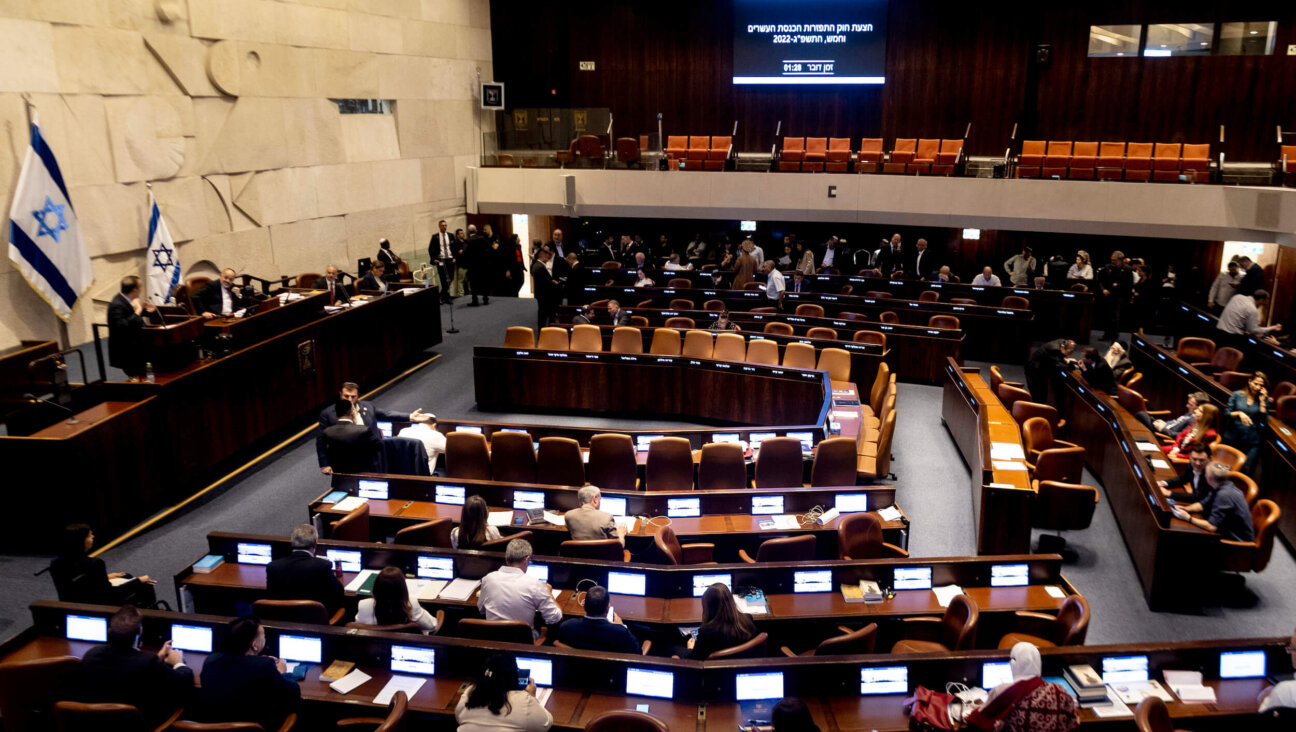
Today, Netanyahu recruited the six-seat Tzipi Livni Party, and announced that the party’s leader Tzipi Livni, will become a “senior partner” in the government on this issue. She is widely expected to lead negotiations, and will also serve as Justice Minister.
One wonders what was going through Livni’s mind as she made the agreement. She spoke of her “strategic and moral imperative” to “become a part of any government that commits to bringing peace.”
Now, when did she come to that conclusion? This statement showed a huge change in her thinking since the 2009 election. She won that poll, returning her then-party Kadima to Knesset as the largest party, but flatly refused to form a unity government or any other kind of alliance with Netanyahu. Then, going in with Likud would have made her Prime Minister; now, it will make her a “senior partner” on the Palestinian issue and Justice Minister.
Why was sitting with Likud inconceivable in 2009, but an imperative now? Has her political philosophy changed? If so, how?
It’s worth wondering where Israel would be is she had come to this conclusion back in 2009 and served as Prime Minister, either alone or in some type of rotation with Netanyahu. Would she have continued the progress of her predecessor Ehud Olmert towards peace — maybe even closed a deal? Would Kadima still be a large party instead of the shriveled two-seat entity it is today? And could Livni possibly be, right now, starting her second term as Prime Minister?
I’m personally matching all gifts to the Forward, up to $36,000. Can I match your gift now?

Hello, fellow Forward reader! I’m Joel Brown, a Forward reader and supporter for more than 15 years, and currently the chair of the board of directors.
I’m an avid Forward reader because it ticks so many of my essential boxes: excellent journalism, Jewish focus and diverse viewpoints. In today’s political climate, what I most appreciate is the Forward’s independence — made possible by the generosity of its membership.
The Forward is committed to bringing you unbiased, nuanced Jewish news. From my position as board chair, I see an exciting future as we expand our position as the definitive independent voice of contemporary American Judaism.
— Joel Brown, Forward board chair
Support our mission to tell the Jewish story fully and fairly.