What exactly did Israel gain from striking Beirut and provoking Iran?
Sunday’s strikes in Beirut marked a serious fumble in strategic judgment
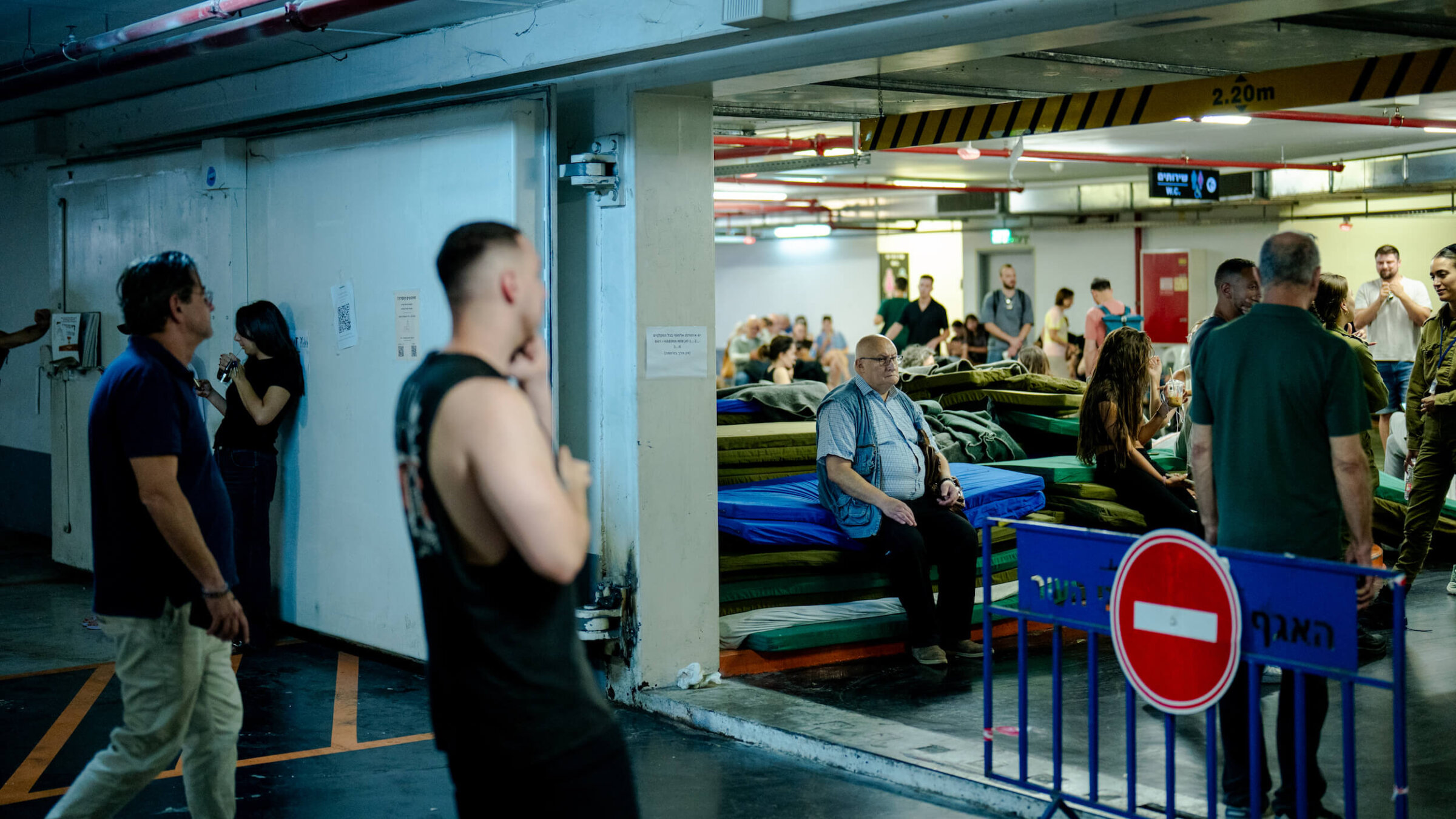
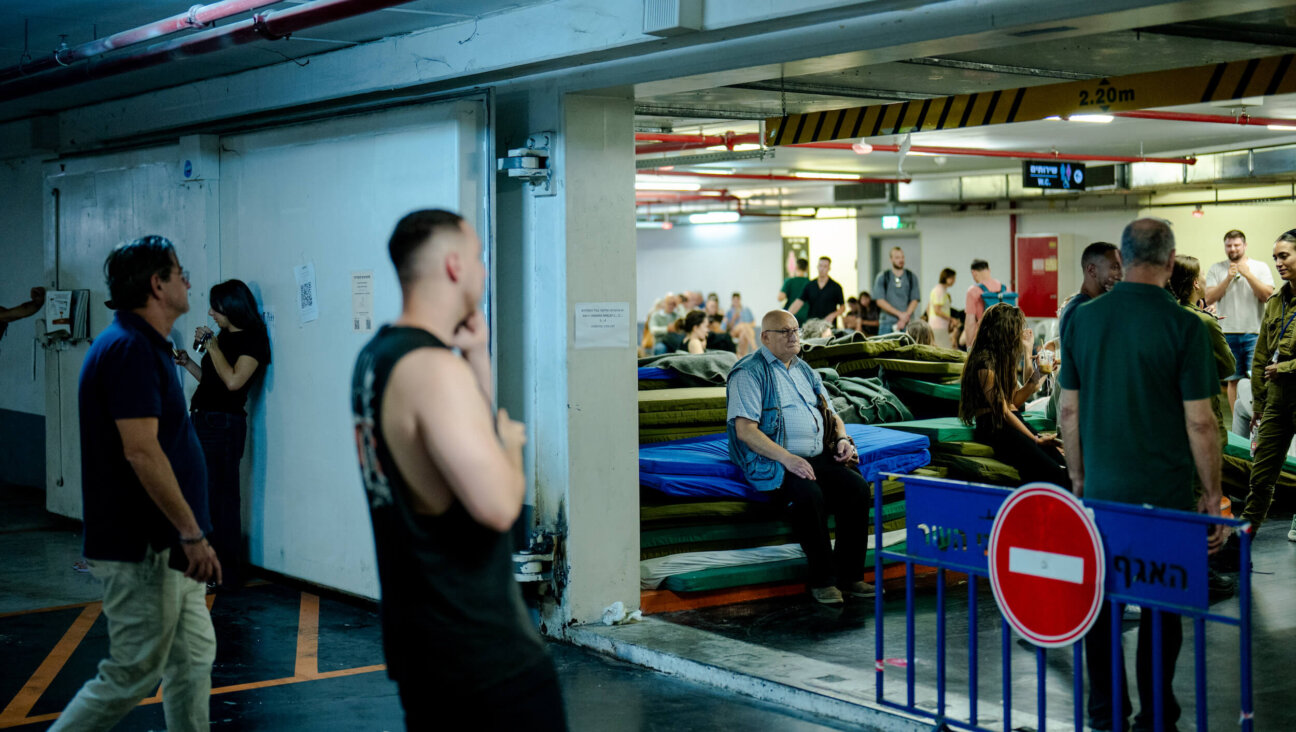
Israelis seek shelter underground in Tel Aviv on June 8, as Iran and Israel once again traded attacks. Photo by Erik Marmor/Getty Images

Columnist Dan Perry June 8, 2026
On Monday morning, Israelis — my family and me among them — awoke to a day of sirens, confusion and suspended normalcy.
Flights had been canceled. Schools had closed. Businesses across parts of the country had shut their doors. Once again, Prime Minister Benjamin Netanyahu had led Israel into a widening regional confrontation — and the question of what exactly Israel had gained from striking Beirut’s Dahiyeh district amid a Israel-Lebanon ceasefire suddenly stood at the center of public debate.
Iran had retaliated with airstrikes against Israel after the Sunday strikes; Israel launched strikes on Iran in response; fears of a broader regional escalation rose; and, after President Donald Trump posted warnings to both parties on social media, the conflict thankfully appeared to have halted by Monday afternoon.
In one version of events, the region had merely stumbled into another familiar spiral of action and reaction. Israeli cynics see something else entirely: a prime minister who once again appeared to need a war, and was determined to restart the conflict with Iran.
“I understand neither the strategy nor the tactics,” said Nir Dvori, the military affairs analyst of the leading Channel 12 station.
Had the strike in Dahiyeh — Hezbollah’s stronghold — fundamentally altered the strategic balance, one could at least have argued there was a cold logic behind it. Had it prevented an imminent attack, saved soldiers’ lives, or significantly degraded Hezbollah’s operational capacity, perhaps the gamble could have been justified.
Yet the attack seemed to change nothing. Hezbollah was not going to collapse because another building in Beirut had been hit. Nor did the operation appear likely to prevent the kinds of attacks that had continued killing Israeli soldiers. If anything, civilian casualties only risked providing Hezbollah with renewed legitimacy.
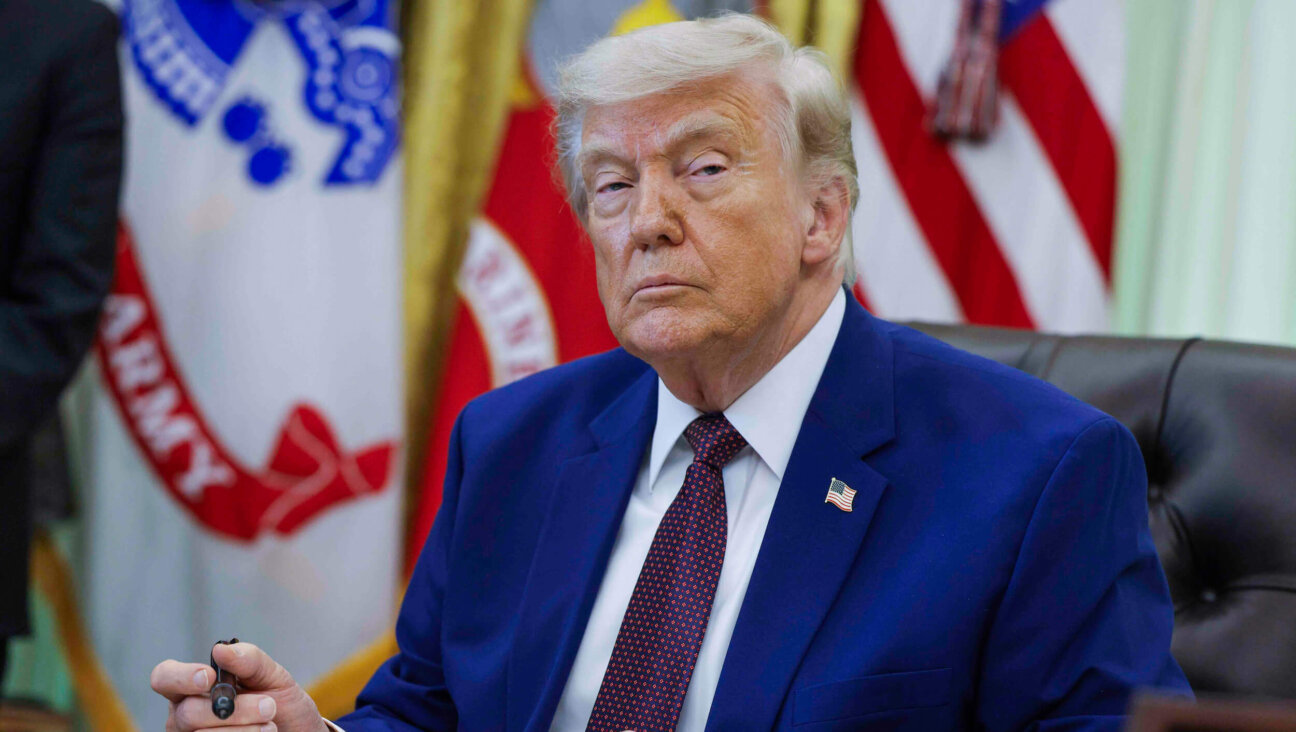
The strikes seemed to involve great risks and few rewards. They came at an extraordinarily delicate moment in the American negotiations with Iran, as Trump has been trying desperately to lower tensions in Lebanon — including by privately cursing at and humiliating Netanyahu over Lebanon policy last week. And they threatened one of the most important strategic assets Israel had in Lebanon in years: a broad Lebanese consensus that Hezbollah has become a disaster for Lebanon and needed to be disarmed.
The Trump-Netanyahu divergence
Israel was already in an extraordinarily delicate position vis-à-vis Washington.
Despite impressive military successes in the early days of the Iran campaign, there was no clear exit strategy, nor any serious solution for Iran’s clamp down on shipping through the Strait of Hormuz.
The war amped up political pressure on Trump, with rising energy prices and mounting public anger threatening the Republican outlook in looming midterm elections. A prolonged regional war risked transforming him within months into a weakened president facing congressional investigations and political paralysis should his party lose control of Congress.
Which means Trump and Netanyahu increasingly appear to be moving in opposite directions. Trump needs stability. Netanyahu, facing dismal polling numbers and growing public exhaustion, needs disruption.
At this point in Netanyahu’s tenure, large segments of the Israeli public no longer dismiss the possibility that political considerations influence national security decisions. As the week opened with the threat of renewed war, many openly speculated that the government had an interest in raising the temperature yet again by provoking an emergency severe enough to argue for postponing elections.
But tension between American and Israeli leaders leaves Israel’s strategic interests imperiled. Israel continues to rely on American airlifts, munitions, diplomatic protection at the United Nations, and broader strategic backing against European and international pressure. And as Trump and Netanyahu’s political interests clashed, ordinary Israelis once more found themselves in shelters, with children out of school and flights grounded.
Net strategic negatives
Meanwhile, every strike that harms Lebanese civilians or damages infrastructure risks reviving Hezbollah’s preferred narrative: that it alone stands between Lebanon and Israeli aggression.
That makes each such strike a lost strategic opportunity. Under President Joseph Aoun and Prime Minister Nawaf Salam, a new Lebanese leadership had begun cautiously presenting Hezbollah not as a defender of the state but as an obstacle to Lebanese sovereignty itself.
Rather than helping isolate Hezbollah politically inside Lebanon, Israel’s strikes risk helping it regain relevance and legitimacy.
Many Israelis are maddened by the sense that Jerusalem simply refuses to think two moves ahead.
What, exactly, was the long-term plan? Hezbollah remains deeply entrenched across Lebanon. No Israeli slogan about “relying only on ourselves” can change the basic strategic reality. Israel cannot permanently occupy large parts of Lebanon, nor sustain endless military operations. A peaceful future requires a stronger Lebanese state and a Lebanese public that views Hezbollah as a burden rather than a protector.
Perhaps the most tragic aspect of Israeli life in 2026 is that millions of citizens no longer consider suspicions that the state is acting against their interest in order to favor Netanyahu’s to be implausible. The notion of “ulterior motives” had become normalized in Israeli political discourse in a way unimaginable under earlier prime ministers. That erosion of public trust may have been the bleakest development of all.
I’m personally matching all gifts to the Forward, up to $36,000. Can I match your gift now?

Hello, fellow Forward reader! I’m Joel Brown, a Forward reader and supporter for more than 15 years, and currently the chair of the board of directors.
I’m an avid Forward reader because it ticks so many of my essential boxes: excellent journalism, Jewish focus and diverse viewpoints. In today’s political climate, what I most appreciate is the Forward’s independence — made possible by the generosity of its membership.
The Forward is committed to bringing you unbiased, nuanced Jewish news. From my position as board chair, I see an exciting future as we expand our position as the definitive independent voice of contemporary American Judaism.
— Joel Brown, Forward board chair
Support our mission to tell the Jewish story fully and fairly.