Conference on Yiddish activism and academia on NY’s Upper West Side
The two-day event marks the 15th yortsayt of the renowned linguist and Yiddish instructor, Mordkhe Schaechter
Graphic by Angelie Zaslavsky

By Forverts Staff October 13, 2022
A unique two-day conference marking the 15th yortsayt of the renowned linguist, lexicographer and Yiddish instructor Dr. Mordkhe Schaechter will take place next month on the campuses of Columbia University and the Jewish Theological Seminary (JTS) in New York City.
The event, entitled “Yiddish in the Heights: Exploring Yiddish Academia and Activism in Post-War New York,” will be in English and Yiddish, and proceedings will be recorded and available following the conclusion of the conference. David G. Roskies — Sol and Evelyn Henkind Chair emeritus in Yiddish Literature and Culture and professor emeritus of Jewish literature at The Jewish Theological Seminary, and Anita Norich — Yiddish literature professor emerita at the University of Michigan, will be the keynote speakers.
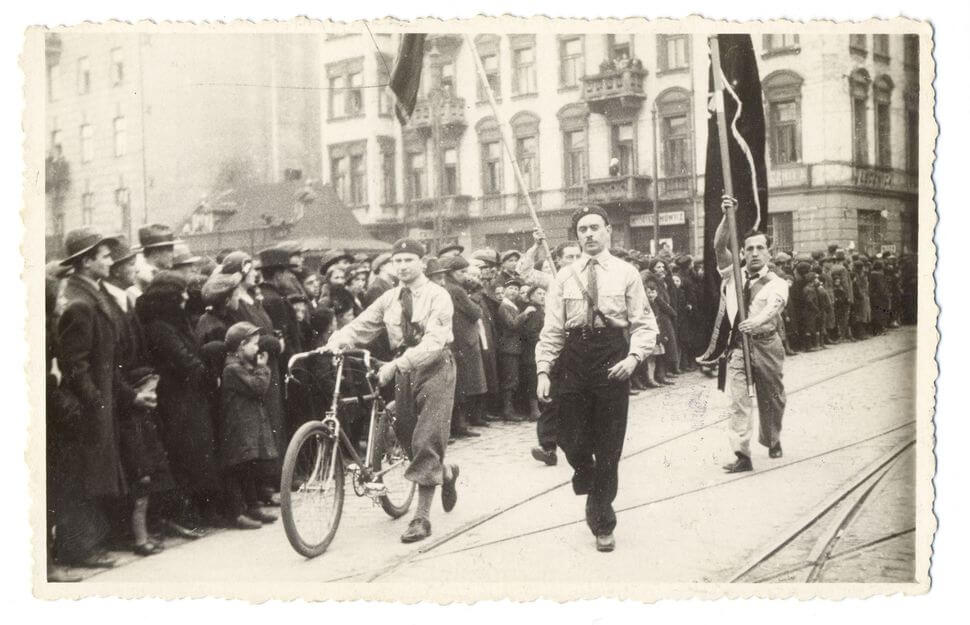
In the post-World War II period, Yiddish-speaking immigrants to the United States brought fresh blood to the Yiddish cultural scene in New York City. As a result, Yiddish reached new heights in the academic world, particularly at Columbia and JTS. A key figure in these programs was Schaechter, himself an immigrant, who taught Yiddish at Columbia for many years and spearheaded a new wave of Yiddish activism.
This conference will honor Schaechter by exploring his legacy at the two Morningside Heights institutions with which he was affiliated, as well as the place of Yiddish in American academia — its past, the current state of the field, and its future — set against a larger Jewish-American context.
The conference, which will begin Sunday, Nov. 20 at the Jewish Theological Seminary, 3080 Broadway, will include discussion panels on Yiddish America in the aftermath of the Holocaust and personal recollections of Dr. Mordkhe Schaechter.
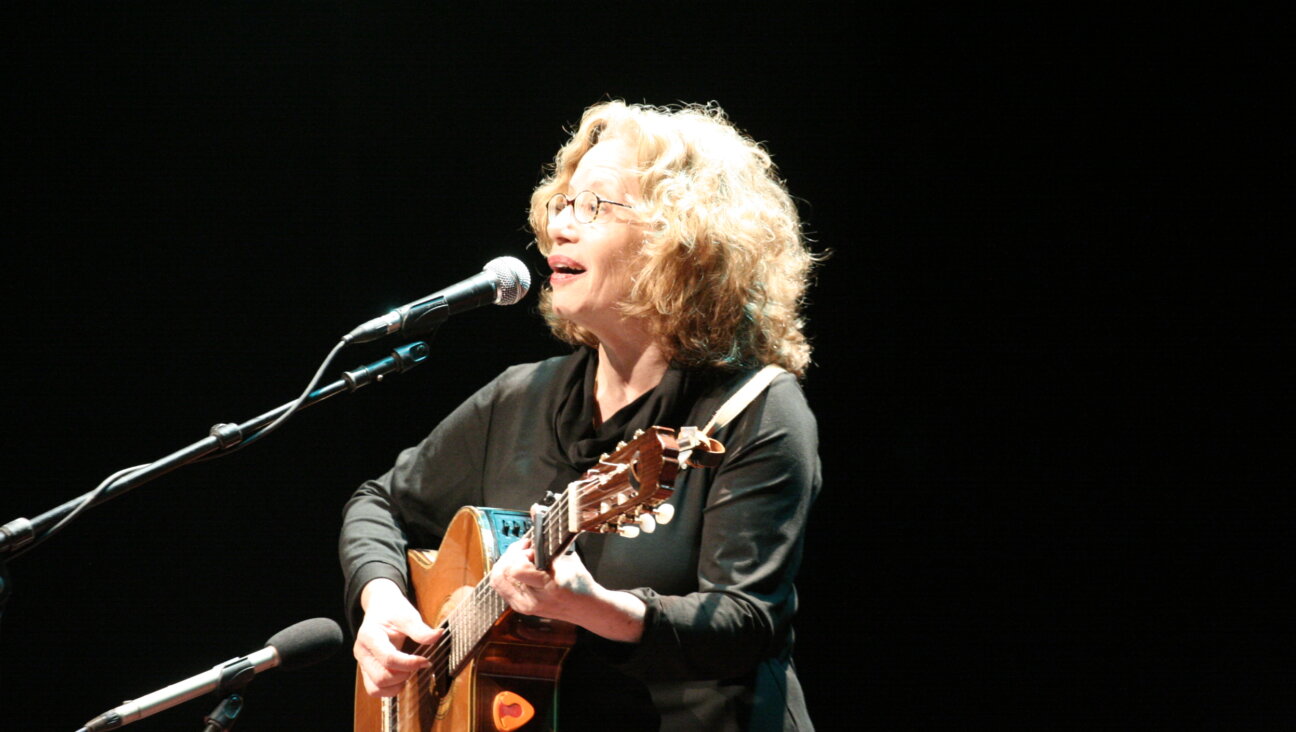
On Monday, Nov. 21, the conference will continue at the Institute for Israel and Jewish Studies of Columbia University, 617 Kent Hall on 1140 Amsterdam Ave., featuring panels on Yiddish linguistics, pedagogy and a discussion on the archives of Yiddish culture in New York, as well as a short concert by singer-violinist Eléonore Biezunski.
Register for the conference here.
CORRECTION: The original version of this article incorrectly stated that David G. Roskies is affiliated with the Jewish Teachers Seminary. In fact, he is Sol and Evelyn Henkind Chair emeritus in Yiddish Literature and Culture and professor emeritus of Jewish literature at The Jewish Theological Seminary.
It’s our birthday and we’re still celebrating!
We hope you appreciated this article. Before you go, we’d like to ask you to please support the Forward’s independent Jewish news.
This week we celebrate 129 years of the Forward. We’re proud of our origins as a Yiddish print publication serving Jewish immigrants. And we’re just as proud of what we’ve become today: A trusted source of Jewish news and opinion, available digitally to anyone in the world without paywalls or subscriptions.
We’ve helped five generations of American Jews make sense of the news and the world around them — and we aren’t slowing down any time soon.
As a nonprofit newsroom, reader donations make it possible for us to do this work. Support independent, agenda-free Jewish journalism and our board will match your gift in honor of our birthday!
Support our mission to tell the Jewish story fully and fairly.