
Steven G. Kellman
By Steven G. Kellman
-
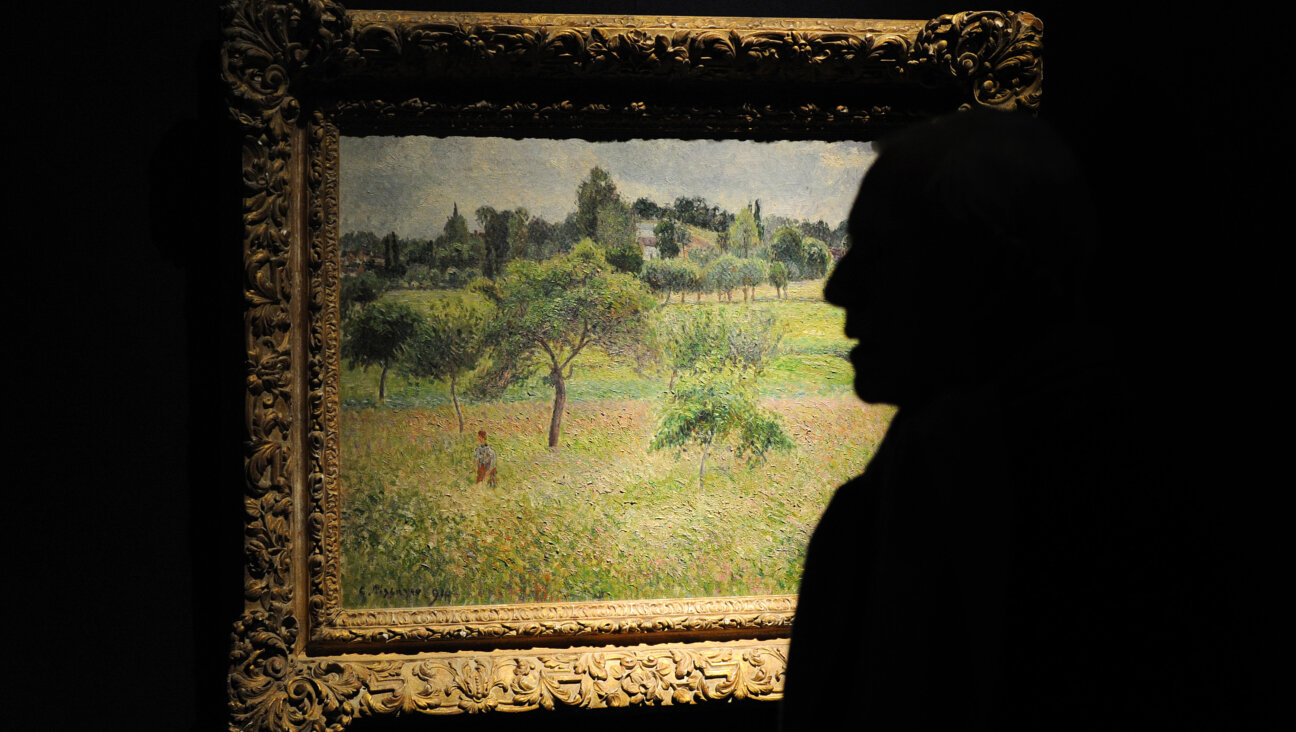
Art A Jewish artist so gifted, he could even teach a stone to paint
The ever-evolving impressionist Camille Pissarro is the subject of Anka Muhlstein's latest book
-
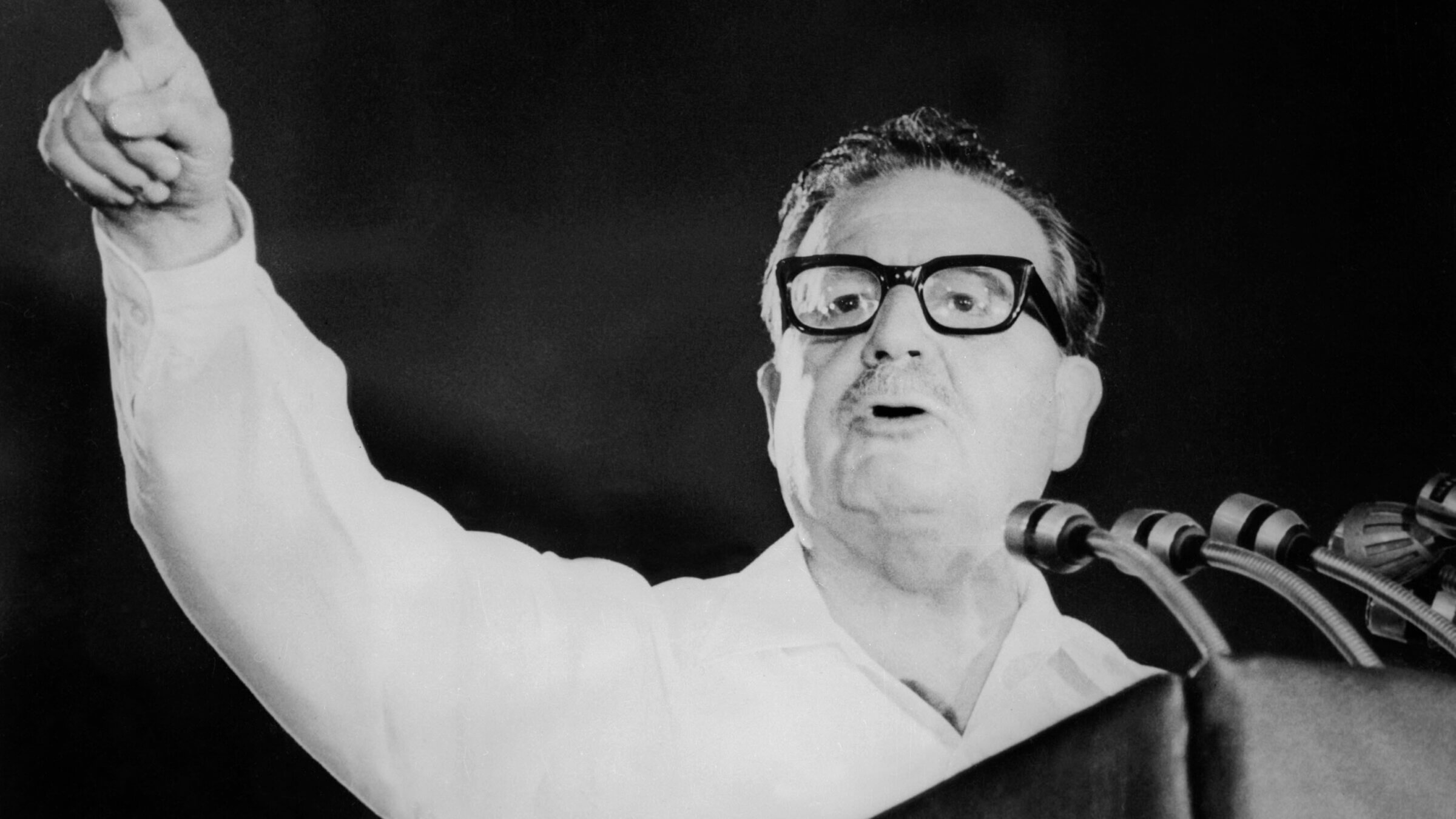
Books A Jewish writer confronts the other 9/11, and urges us to never forget it
Ariel Dorfman's 'Suicide Museum' investigates the day in 1973 when Chilean president Salvador Allende died during a bloody coup
-
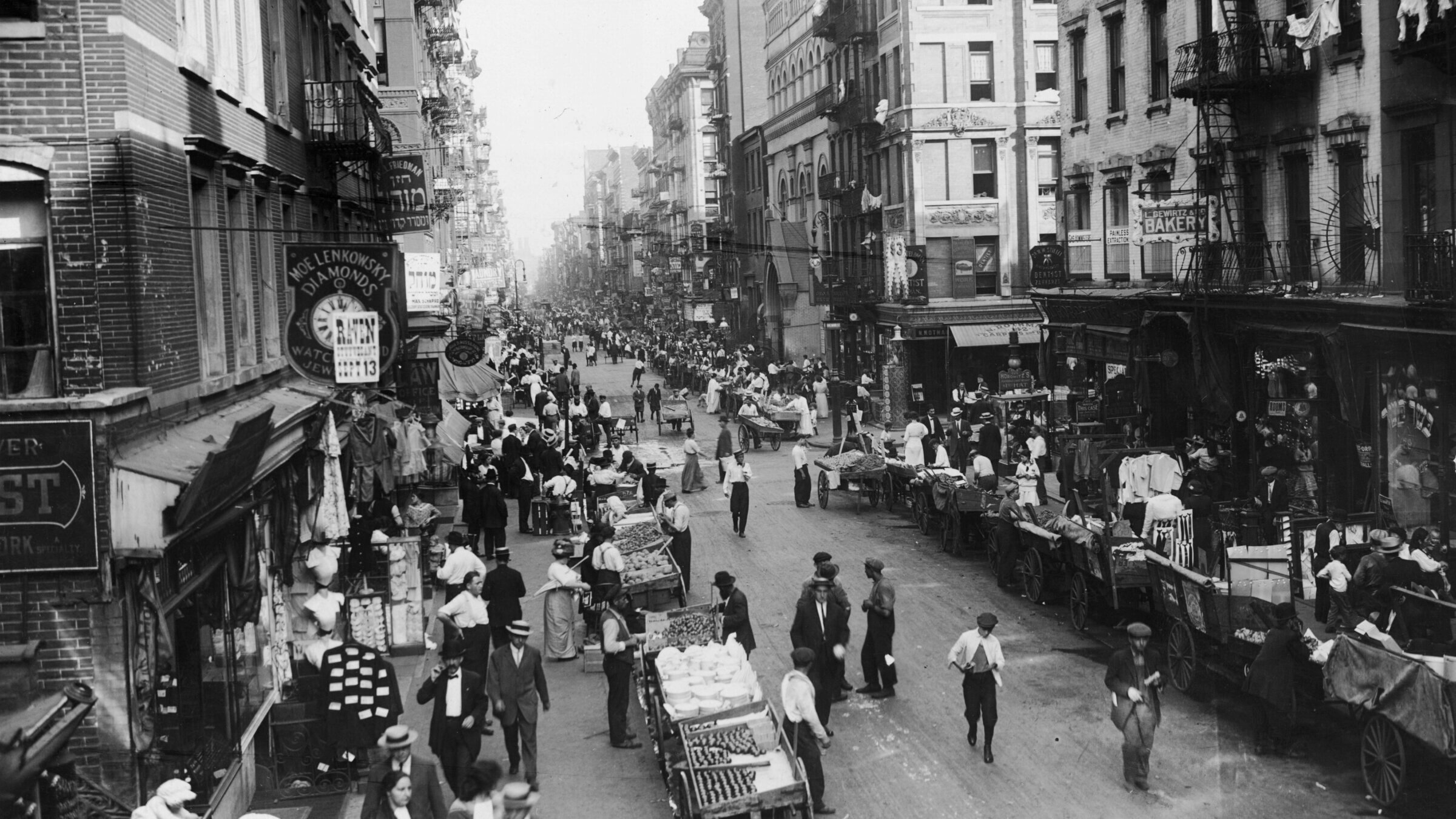
Culture An Oedipal tale of sex, violence, crooks, cutthroats and egg creams — set in the Jewish wilderness of the Lower East Side
Henry James makes a cameo appearance in Jerome Charyn's 'Ravage & Son,' though James might not have loved the novel
-
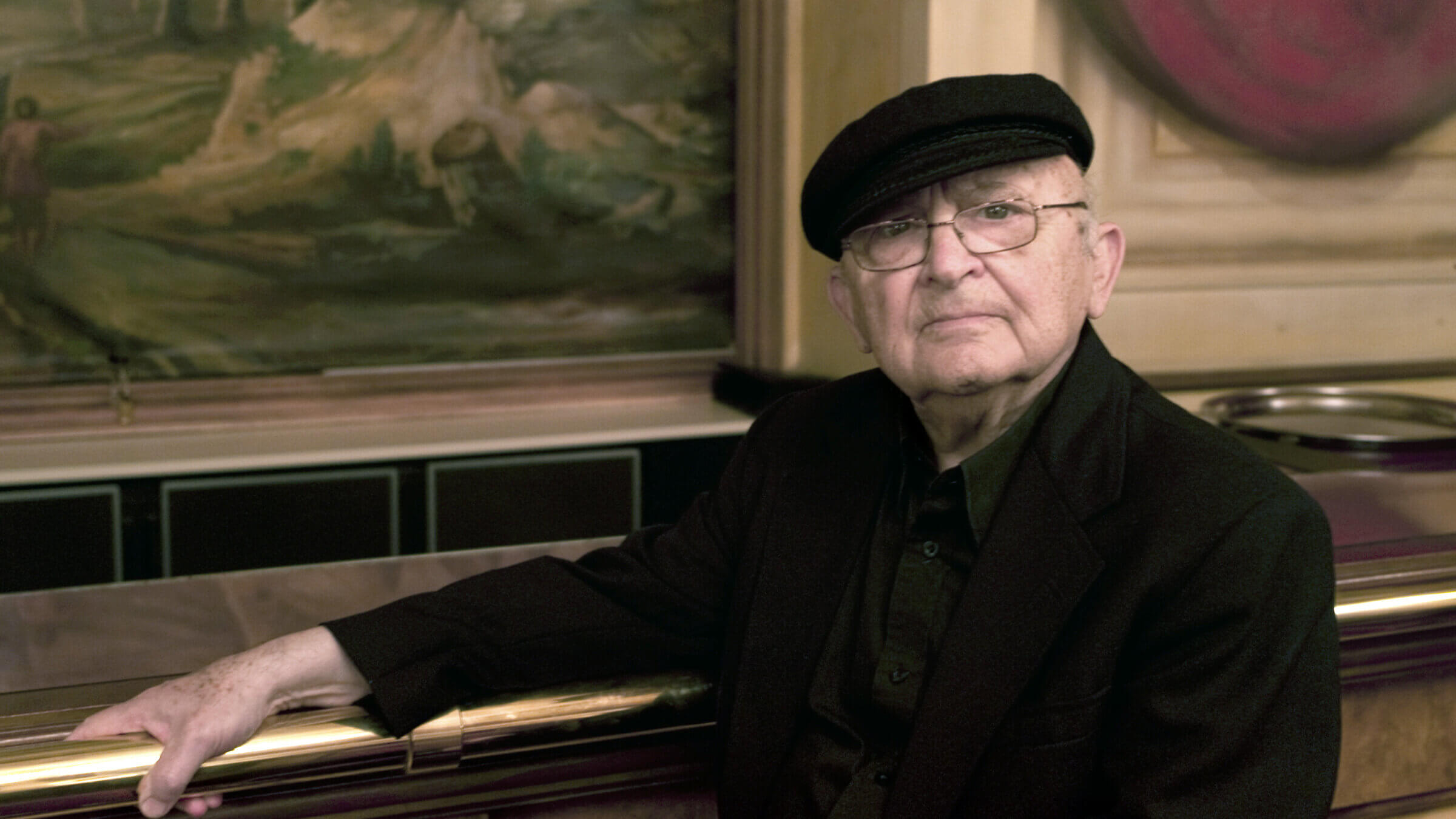
Books How a master of understatement conjured up the horrors of the Shoah
Aharon Appelfeld's 'Poland, A Green Land' is a sort of fable set a generation after the fall of the Third Reich
-

Culture How an Orthodox Jew became the great defender of books and bookstores
In Praise of Good Bookstores By Jeff Deutsch Princeton University Press, 216 pp, $19.95 My university’s library recently announced that, in order to make space for lounges and meeting rooms, it was putting about a third of its collection into storage. But not to worry: Readers need only submit a request, and a book will…
-

Books What happens when a New York kvetcher meets modern-day kitsch?
It is hard to imagine Rabbi Akiva eating lime Jell-O, Maimonides living in a trailer park, or Martin Buber twirling a baton. These are all, according to the famous mid-century comedian Lenny Bruce, quintessentially goyish activities. I.B. Singer is more likely to have slathered his cream cheese on pumpernickel than white bread. Bruce defined Jewishness…
-

Culture Narrowly escaping the Nazis, a wandering Jewish book improbably survives to tell its own tale
The Pages By Hugo Hamilton Alfred A. Knopf, 272 pp, $28 Rebellion By Joseph Roth Translated from the German by Michael Hofmann Everyman’s Library, 168 pp, $24 May 10, 1933, was Kristallnacht for printed books, a day on which gleeful mobs tossed millions of volumes into bonfires in cities throughout Germany. Among the 30,000 titles…
-
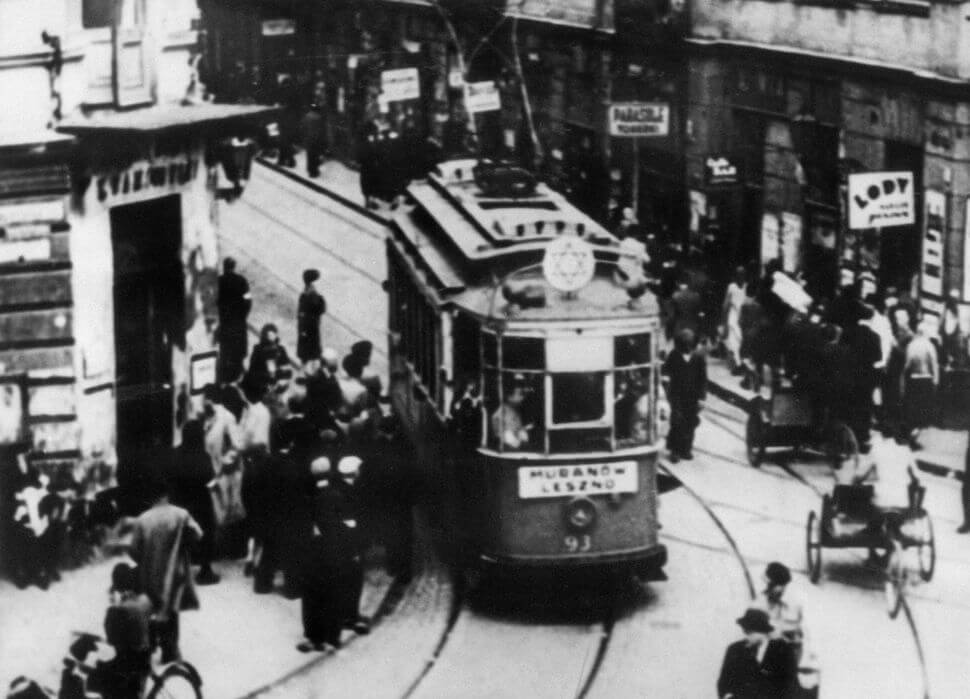
Culture In the Warsaw Ghetto, where an Indian play imagined the worst that was yet to come
A new novel revives a forgotten episode within the Warsaw Ghetto — and imagines what might happen after
Explore
Most Popular
- 1

Books In ‘Something We Said,’ Richard Pryor’s daughter finds words to discuss the unspeakable
- 2

Culture ‘My mayor Muslim, my bagel Jewish’ — the Knicks chant capturing New York’s soul
- 3

Opinion It’s time for Jews who love Israel to give up on Zionism
- 4

Opinion Israeli and diaspora Jews live in different realities. The Israel Day parade proved it
In Case You Missed It
-

Fast Forward Milei praises ‘Judeo-Christian values’ at Chabad event as Argentina courts European Jews
-

Fast Forward France bans Smotrich as 6 countries impose new sanctions over Israeli settler violence
-

Fast Forward Colombian President Gustavo Petro sparks outcry over tweet reading ‘Heil Hitler’
-
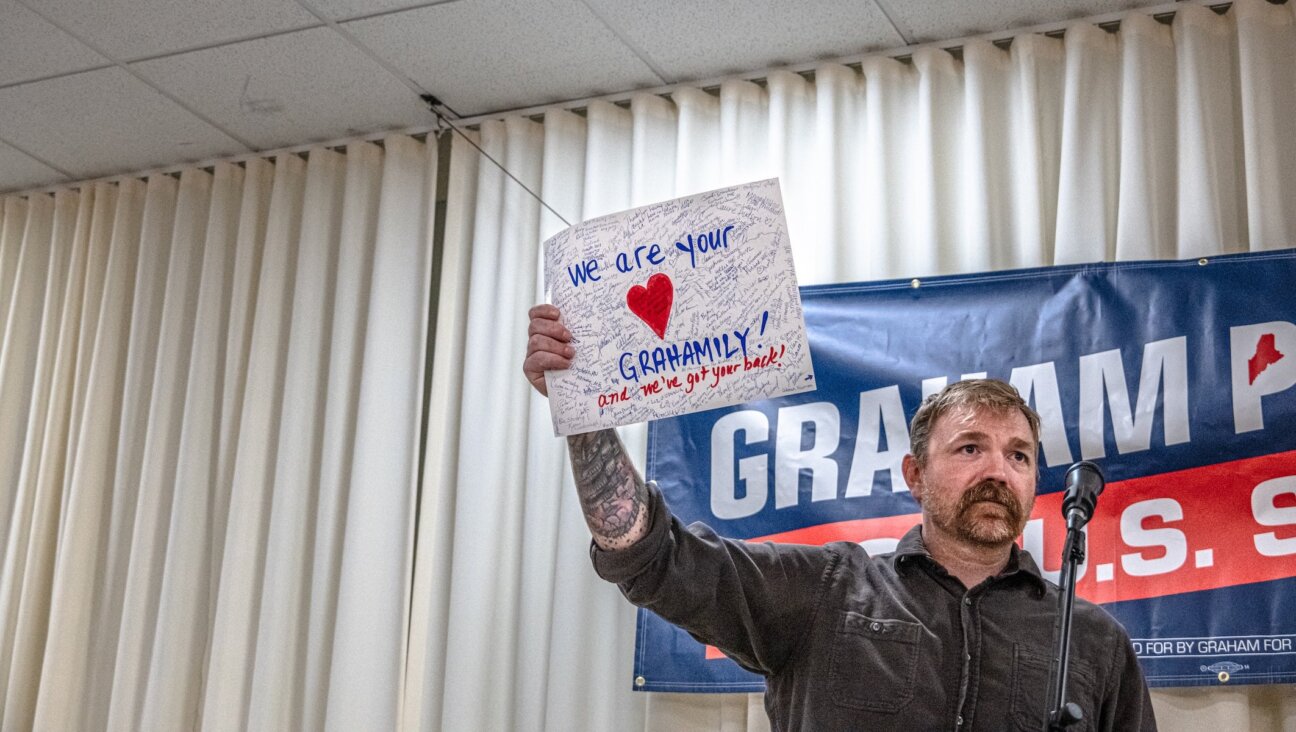
Fast Forward Israel looms large as Maine heads to the polls in Graham Platner’s Senate primary