Splicing Things Up: Forgacs’s Found Film

By Dan Friedman May 20, 2009
Showing on five screens upstairs at the Jewish Museum in New York is Peter Forgacs’s stunning video installation The Danube Exodus: The Rippling Currents of the River. The work premiered in 2002 at the Getty Museum in Los Angeles and is the result of a fruitful collaboration between Forgacs and the Labyrinth Project, a group doing research on interactive narrative at the University of Southern California’s Annenberg Center.
Captain Nándor Andrásovits took footage of his trips up and down the Danube in the 1930s and ’40s. Expecting something noteworthy, he bought a large amount of film for two special trips: one of Eastern European Jews fleeing Nazi persecution in 1939, and the other of émigré German farmer refugees leaving Bessarabia when the Soviet Union re-annexed it.
The Danube Exodus project originally took the form of a documentary film but has been expanded into one artwork made up of three stories shown across five screens. The work is not only unique itself, but unique for each visitor, since the installation allows the visitor to choose which pieces of film to watch and in what sequence. By combining film of refugee Jews fleeing Germans and a riverboat captain with his river of escape, Forgacs and the Labyrinth Project juxtapose the incomparable.
Dan Friedman is the Arts & Culture editor of the Forward.
Why I became the Forward’s editor-in-chief
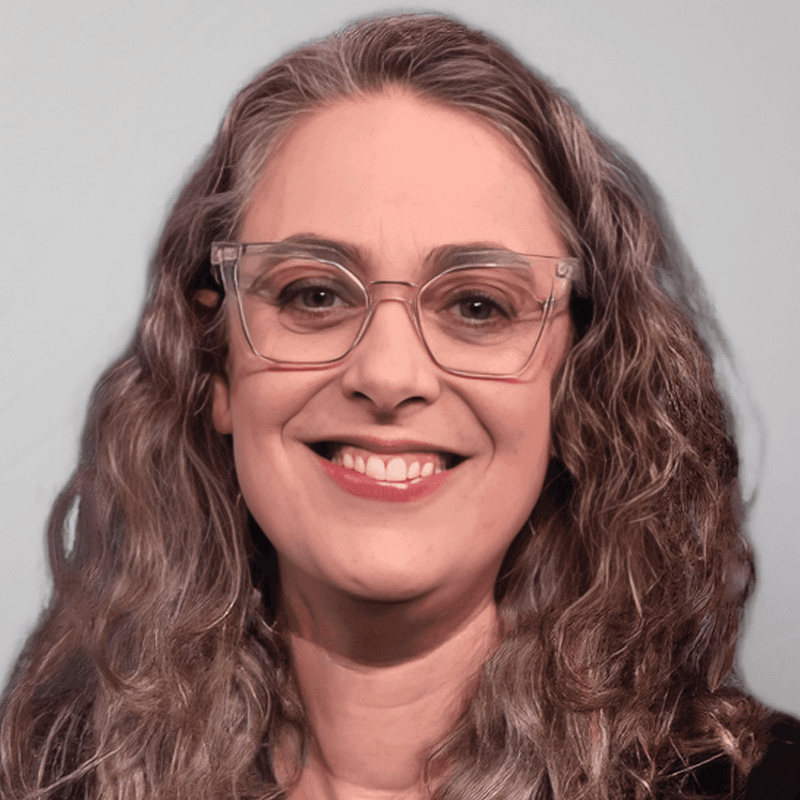
You are surely a friend of the Forward if you’re reading this. And so it’s with excitement and awe — of all that the Forward is, was, and will be — that I introduce myself to you as the Forward’s newest editor-in-chief.
And what a time to step into the leadership of this storied Jewish institution! For 129 years, the Forward has shaped and told the American Jewish story. I’m stepping in at an intense time for Jews the world over. We urgently need the Forward’s courageous, unflinching journalism — not only as a source of reliable information, but to provide inspiration, healing and hope.
 , editor-in-chief
Support our mission to tell the Jewish story fully and fairly.