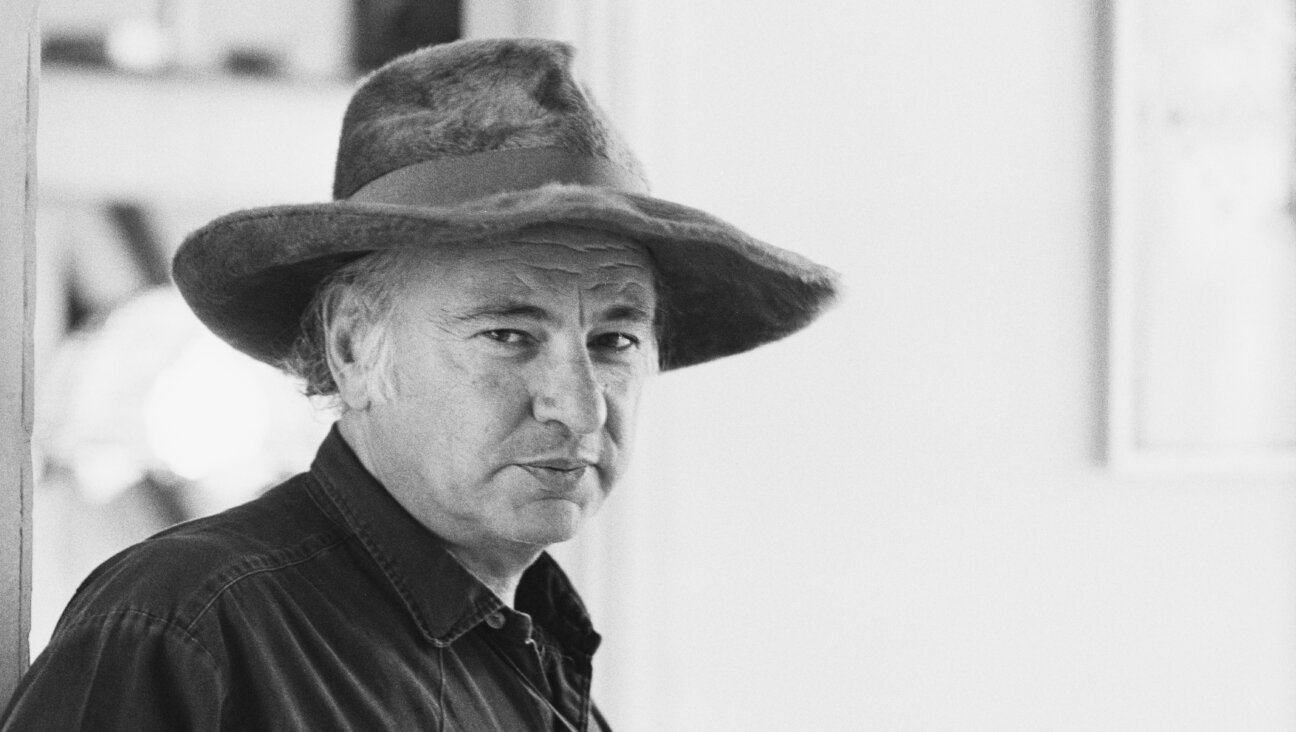
Boris Schnaiderman, Brazil’s Pioneering Russian Literature Translator, Dies at 99

Image by YouTube
RIO DE JANEIRO — Brazil’s greatest promoter of Russian literature, Boris Schnaiderman, has died.
Schnaiderman died Thursday from pneumonia in Sao Paulo. He was 99. An Ukrainian-born Jew, he was the first person to translate classical Russian literature directly from the Russian language to Portuguese.
A translator, writer and essayist, Schnaiderman translated great Russian authors including Dostoyevsky, Tolstoy, Pushkin, Gorky and Mayakovsky from their original Russian. In 1960, he created the first Russian language and literature university chair in Brazil at the University of Sao Paulo.
In 1943, he published the first direct translation of “The Brothers Karamazov” novel to Portuguese, putting an end to the usual indirect translations, mainly from French and with mistakes, which de-characterized the texts.
To announce his death, the weekly news magazine Epoca called Schnaiderman the Karamazovs’ “Brazilian brother.”
“Boris Schnaiderman was the greatest promoter of Russian literature in Brazil. By translation directly from the originals, the taught Dostoyevsky and Tolstoy how to speak Portuguese,” Epoca wrote.
Born in Ukraine in 1917, the start of the Russian Revolution, Schnaiderman migrated to Brazil at the age of 8 with his family, fleeing anti-Semitism and pogroms. In 1960, he became the first teacher of Russian literature at the University of Sao Paulo, Brazil’s most prestigious university.
“I was born in a small town, but soon my family went to Odessa due to the period of great killings of Jews in Ukraine. Even though we were Jews, we are very assimilated to the Russian culture, our language was Russian,” he declared in an interview with Revista Brasileira da Psicanalise in 2009.
After his naturalization as a Brazilian citizen, he fought in World War II with the Brazilian Expeditionary Force. Due to the way that the Russian culture was seen in the period of military dictatorship in Brazil, his positions against the repression and his Soviet passport, he was later arrested while he was lecturing.
In addition to several literature awards, he received the Brazil’s Jabuti award and the Translation prize from the Brazilian Academy of Letters. He also received the Medal of Pushkin from the Russian government for his contribution to the dissemination of the Russian culture overseas.
I’m personally matching all gifts to the Forward, up to $36,000. Can I match your gift now?

Hello, fellow Forward reader! I’m Joel Brown, a Forward reader and supporter for more than 15 years, and currently the chair of the board of directors.
I’m an avid Forward reader because it ticks so many of my essential boxes: excellent journalism, Jewish focus and diverse viewpoints. In today’s political climate, what I most appreciate is the Forward’s independence — made possible by the generosity of its membership.
The Forward is committed to bringing you unbiased, nuanced Jewish news. From my position as board chair, I see an exciting future as we expand our position as the definitive independent voice of contemporary American Judaism.
— Joel Brown, Forward board chair
Support our mission to tell the Jewish story fully and fairly.