In the course of his 104 years, he resisted the Nazis, fought against blood libel and became a towering Jewish intellectual
Edgar Morin reveled in the complexity of events; his life became an expression of his philosophy
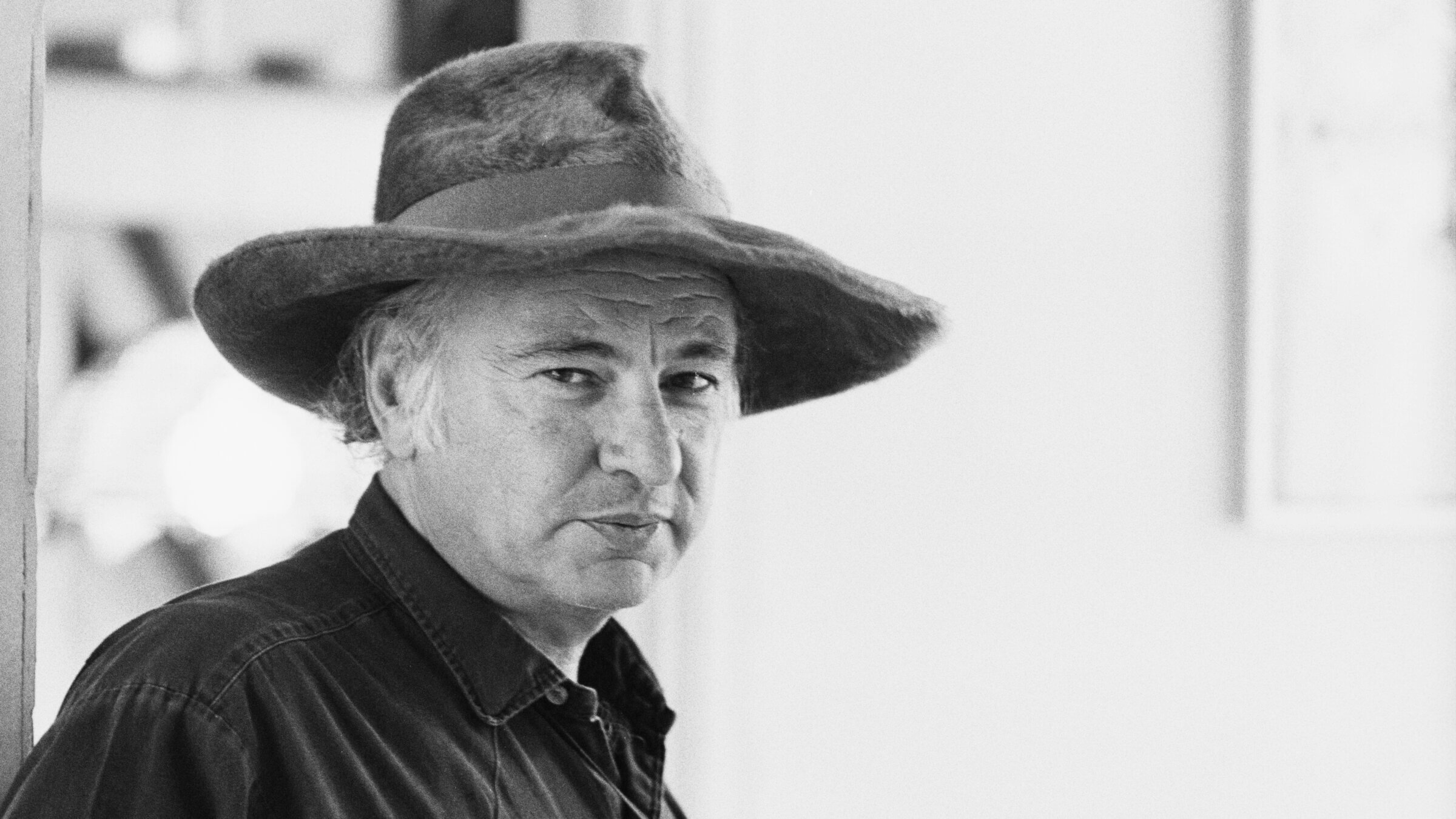
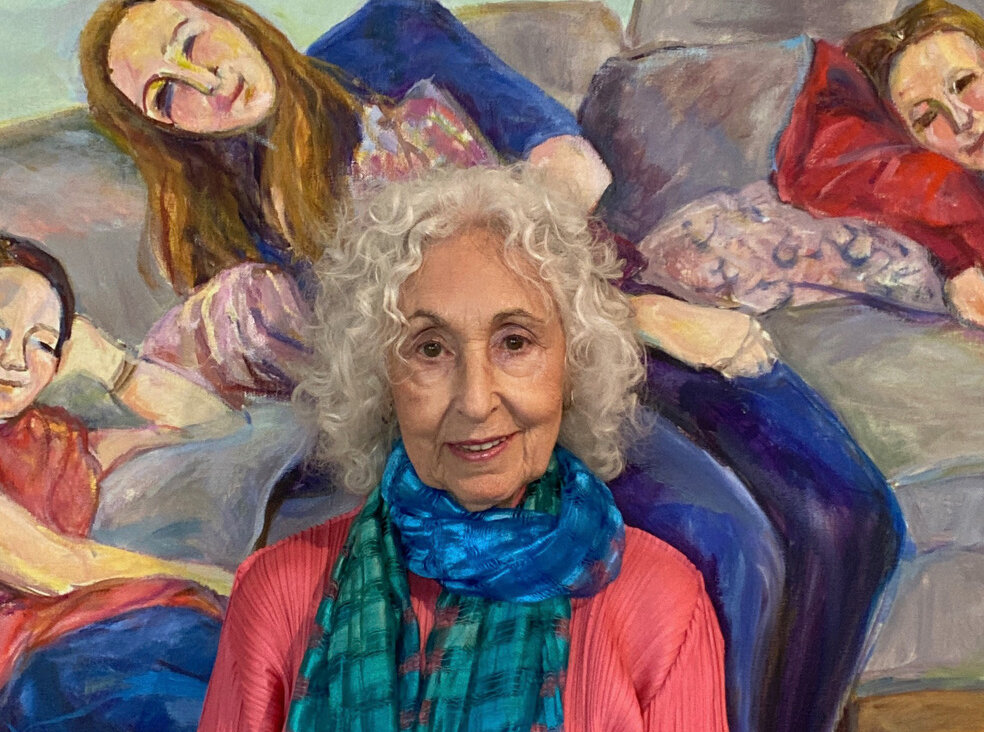
French writer, sociologist, and philosopher Edgar Morin Photo by Sophie Bassouls/Sygma/Sygma via Getty Images
By Robert Zaretsky June 3, 2026
Today, in a public ceremony held at Les Invalides, President Emmanuel Morin led the French Fifth Republic in paying its last respects to one of the nation’s great public figures, Edgar Morin, whose 104 years spanned the Third and Fourth Republics as well. He was a sociologist, philosopher, writer, film director and screenwriter. But Morin’s real profession was as an intellectual.
There is a vast literature on the character and career of the French intellectual — much of it written by intellectuals — just as there is much disagreement on when this social type first appeared. Some historians reach back as far as the Enlightenment and the role played by les philosophes like Voltaire in their struggle for political liberty and religious toleration, while other historians argue that the modern intellectual burst onto the scene more than a century later with the Dreyfus Affair.
It was at that pivotal moment in late 19th century France that the word “intellectuel” gained currency. Used as a term of scorn by antisemites like Maurice Barrès, they believed Captain Alfred Dreyfus was guilty of treason precisely because he was Jewish. As for those “intellectuals” who defended Dreyfus, Barrès dismissed them as “aristocrats of thought who boasted they did not think like the vile crowd.” Yet those same intellectuals, led by the novelist Émile Zola, gladly embraced the description. Convinced that objective reason and truth made Dreyfus’ innocence clear, they believed, as Zola famously declared, that “truth is on the march.”
But, as Morin always insisted, truth is complex. So, too, was his career, which in many ways reflects the origin story of the French intellectual. Born as Edgar Nahoum in Paris in 1921, his parents were Jewish immigrants from Salonica, a city that had been home to Greece’s largest Jewish community until World War II. (Nearly 90% of the community, some 54,000 men, women, and children were eventually murdered in Nazi death camps.) A precocious student, Nahoum spent his days in libraries studying German philosophers like Hegel and his nights in cinemas studying French films directed by the likes of Marcel Pagnol.
Yet everything changed, including his name, come France’s defeat and occupation by Nazi Germany in 1940. Making his way to the Unoccupied Zone, the 20-year-old Nahoum, who had been a pacifist before the war, soon joined both the banned Communist Party and the French Resistance. By 1944 and liberation, Nahoum had not only become a lieutenant in the Free French Forces, but due to a typo that turned his combat pseudonym “Manin” into “Morin,” the young man was renamed. In fact, he was remade. “What would we have been without the Resistance?” Morin later wondered. “It was thanks to the Resistance that we were given a life.”
And what a life it turned out to be. In 1951, the rebellious Morin, who was outraged by the Soviet show trials, was invited to leave the French Communist Party. At the same time, though he did not have a graduate degree, Morin was nevertheless invited — thanks to the recommendations of the philosophers Vladimir Jankéklévitch and Maurice Merleau-Ponty — to join the prestigious National Center for Scientific Research in Paris in 1950. It was there that he launched a career that fused his academic interests as a sociologist with journalism.
For the next three quarters of a century, Morin seemed to be everywhere all at once. (When I lived in France, I had the impression that, whether on the shelves of bookstores, pages of newspapers, or sets of television shows, I was always bumping into him.) When he was not being interviewed in documentaries, he was making them; when not publishing one of his more than 40 books, he was reviewing books written by others; when seismic events occurred, he was there before anyone else — and got a book out faster. And the books, the work of an intellectuel engagé, were often themselves events that left their mark on Morin’s contemporary audience and future scholars.
One of the most notable of these is La Rumeur d’Orléans, or Rumor in Orléans. In May, 1969 — just one year after the student rebellions that had swept across France (and about which Morin had already published a book) — a rumor started to sweep across the small city of Orléans, famous for being defended against the English by Joan of Arc in the 15th century. The rumor that took flight in Orléans in 1969 — a variation of the blood libel against Jews — was as old as Joan’s achievement. In the dressing rooms of several local clothing stores, so the rumor went, young women were being drugged and sex trafficked. Moreover, the owners of all these stores were, of course, Israëlites (the frequent moniker for French Jews since the 19th century.)
That there was not a single reported case of a missing, much less abducted, woman had little effect on the crowds that gathered outside these stores. As the crowds grew, along with the fear of the store owners and their staffs, the news media picked up on the event. Politicians and pundits expressed outrage and confusion over the rumor — how could this be possible just a quarter-century after Auschwitz, they asked — and the police began to investigate. They could not find a single culprit.
Within weeks of the news reaching Paris, Morin had collected a half-dozen colleagues and set up shop in Orléans to make sense of the rumor. The team, who described their work as la sociologie événementielle, or “event-based sociology,” interviewed locals, met with officials, and rifled through archival documents. Their conclusion reflected a truth dear to Morin: the complexity of any single event. By complexity, Morin did not mean “complicated,” a word we often use when we refuse to engage a subject. Instead, a complex event spans not only the many factors that made this event possible, but also encompasses the way in which our own theories and thoughts alter our understanding of the event. This complex event, Morin concluded, was partly the work of rapid modernization and the great changes it wrought: urbanization, consumerism, and sexual rebellion. It was as if, one historian remarked, “miniskirts were taking people back to the Middle Ages,” and back to the Jew as the traditional scapegoat for these vast social and economic disruptions.
But only partly. The man who described himself as “Judeo-Gentile” always insisted that events often take not just ordinary folk, but also specialists by surprise. Just as no one predicted France’s defeat in 1940, Morin never thought he had the courage to become a resistance fighter. Yet he did. This is a lesson in humility, of course, but also a lesson in humanity. “Let us make our way in uncertainty,” Morin always insisted, “but also in fraternity.” If only we could make this motto our own.
Did you know that only 2% of Forward readers donate to support our nonprofit newsroom? That 2% make it possible for millions to read the Forward without a paywall or subscription — removing any barriers to the full and fair Jewish story.
But while the Forward is free to read, it isn’t free to produce. Big stories — like deep dives into the antisemitism data, political scoops or reporting trips to college campuses — take months of research and fact-checking. All while we keep you informed of what you need to know each day.
— Rachel Fishman Feddersen, Forward Publisher & CEO
Support our mission to tell the Jewish story fully and fairly.