To combat rising hate crimes, NYC mayor suggests a PR campaign
Eric Adams convened a roundtable of Jewish and Black leaders in Harlem
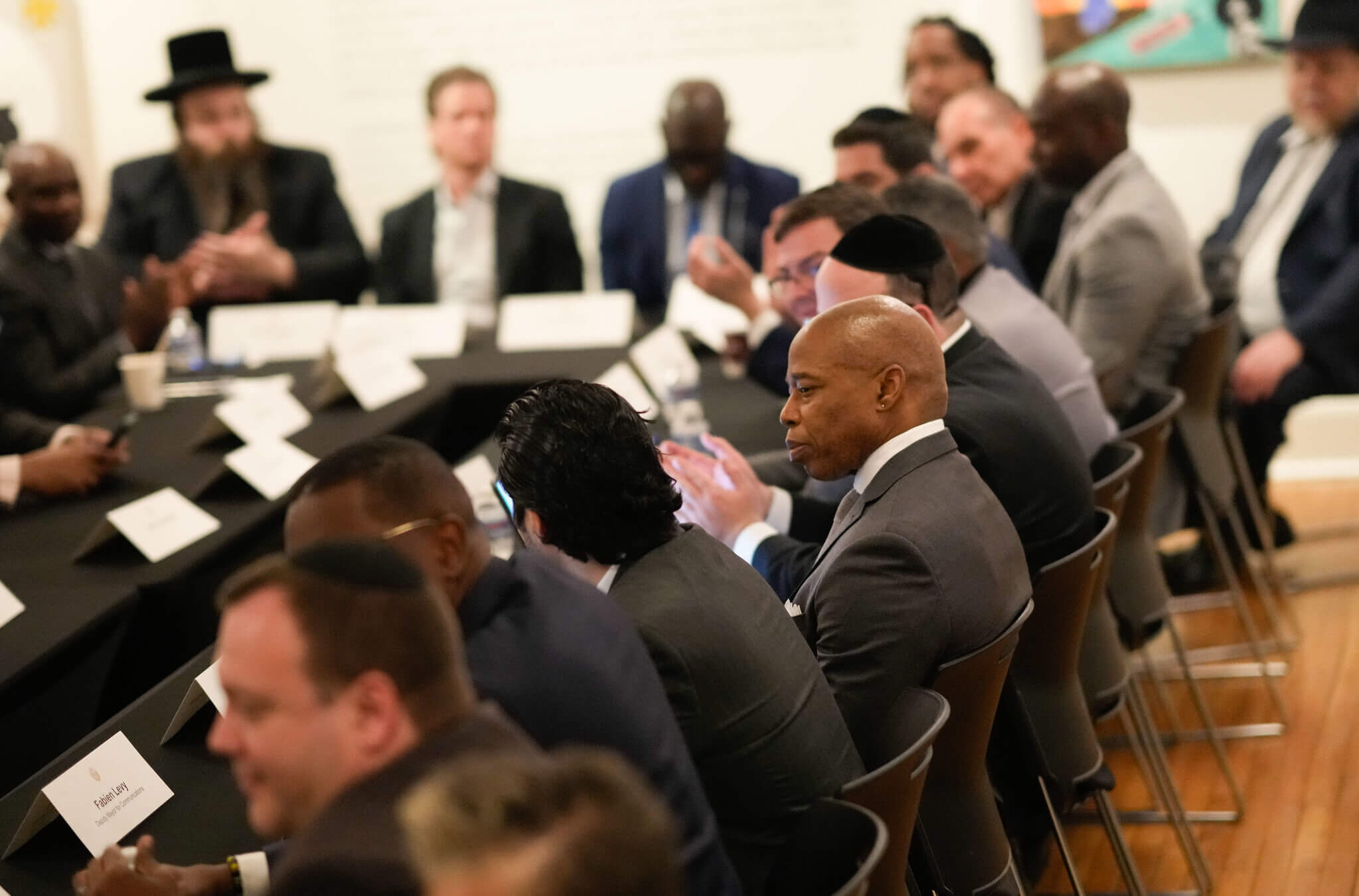
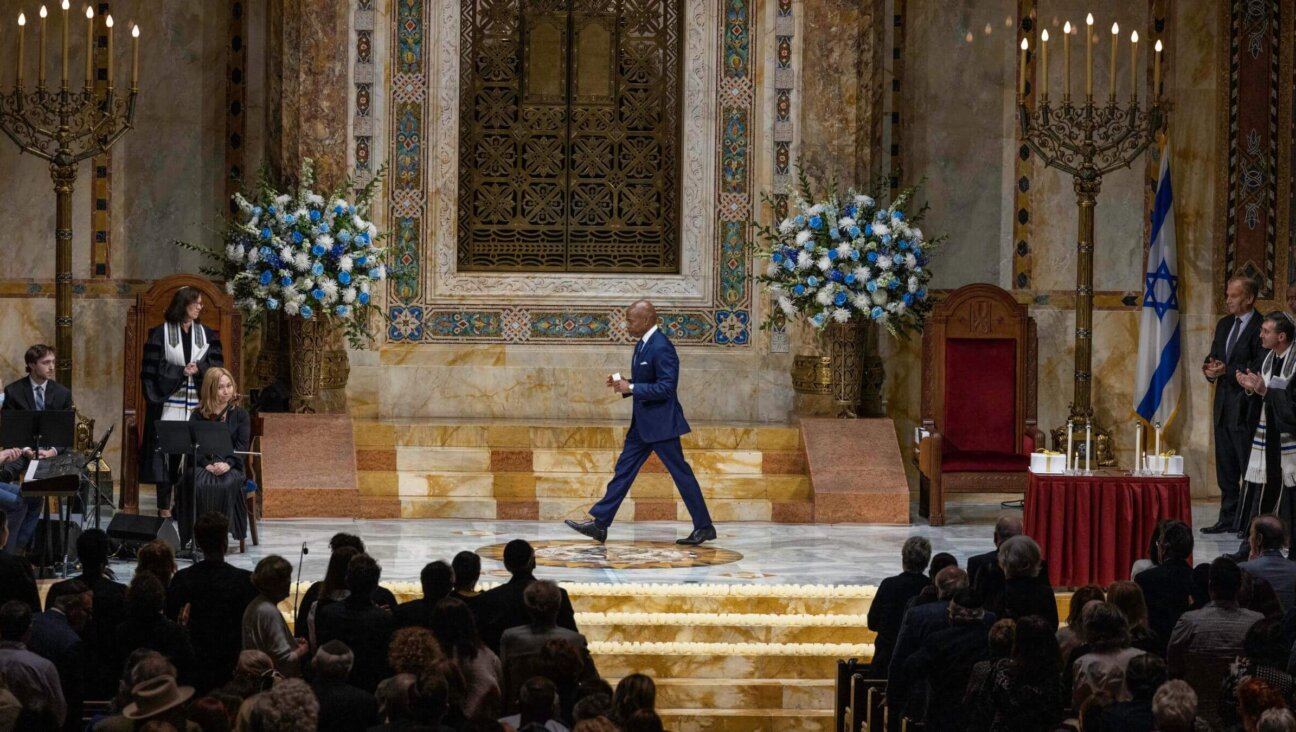
New York City Mayor Eric Adams holds a roundtable discussion with Black and Jewish community leaders April 2. Photo by Michael Appleton/Mayoral Photography Office

By Jacob Kornbluh April 3, 2024
Meeting with Black and Jewish leaders Tuesday, New York City Mayor Eric Adams pitched an ad campaign to combat rising hate crimes.
“Everything, from billboards to two-minute video clips,” Adams said during an hourlong roundtable with more than 30 community leaders and clergy. “People need to see that we are more alike than we realized and that there’s some real love within the fiber of this community.”
Adams, the city’s second Black mayor, won the office in 2021 thanks to a coalition of Black, Latino and Orthodox voting blocs. He convened the roundtable with two groups who, he noted, have a shared history of combatting bigotry.
Antisemitism has spiked since the Hamas’ Oct. 7 terror attack, which prompted Israel’s military campaign in Gaza. Reported incidents include physical assaults, death threats and verbal harassment, particularly in Jewish neighborhoods and on college campuses. The NYPD recorded 210 antisemitic incidents from October to March, a 100% increase in anti-Jewish crimes reported during the same period the previous year.
In March the city recorded 75 hate crimes, a 56% increase compared to March 2023. Of those, 43 targeted Jews and six targeted Blacks.
“At this painful moment for so many across our city and around the world, we stand united against racism and antisemitism,” said Adams. “As I have said, we are not alright because antisemitism and hate of all kinds are on the rise.”
At the roundtable, the mayor also said he would expand the “Breaking Bread, Building Bonds,” initiative, launched last year, which encourages New Yorkers to host meals for 10 people from different racial, ethnic and religious backgrounds. “We all cannot be talking to the same people,” he said.
The event took place at the Schomburg Center’s American Negro Theatre in Harlem, a neighborhood that has long been a center of Black arts and culture. It preceded Adam’s five-borough tour of New York faith communities, which he kicked off Wednesday. Jackie Rowe Adams, co-founder of Harlem Mothers Stop Another Violent End, who lost two children to gun violence, attributed her strong connection with Devorah Halberstam, whose son Ari was killed in a terror attack in 1994, to the solidarity formed through their alliance.
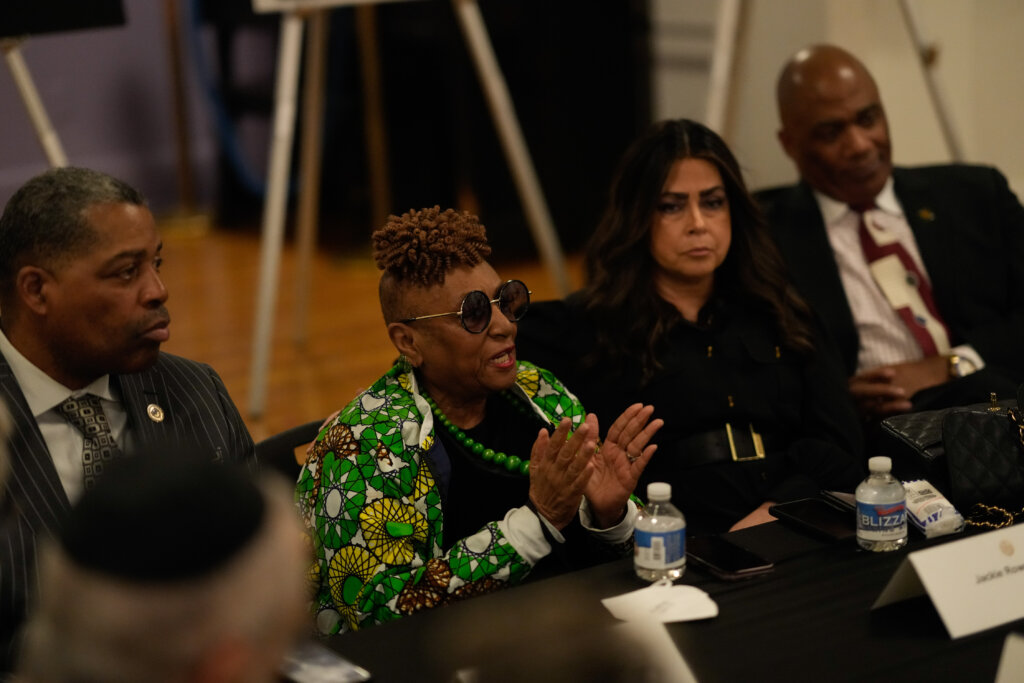
Rev. A.R. Bernard, founder and pastor of the Christian Cultural Center megachurch in Brooklyn, said the meeting between Black and Jewish leaders was a good way to start addressing tensions between the groups. “It begins with the elders coming together at the gates and having a conversation,” he said. “Now we take it back to the community at large and engage our young people in joint projects.”
“Let’s have a gathering where the adults bring children with them so they can see and hear what we do,” echoed Rabbi Joe Potasnik, executive vice president of the New York Board of Rabbis.
Jonathan Brent, director of the YIVO Institute for Jewish Research, brought a copy of a book of Langston Hughes poems translated into Yiddish to the roundtable, and a collection of short stories by Yiddish writer Yankev Krepliyak about friendship between Black and white children, published in 1939, among other samples of its archive.
“I could imagine a class of Black children coming with a class of Jewish children and looking at these Langston Hughes poems in Yiddish, and talking about these things openly,” said Jonathan Brent, director of the YIVO Institute.
Why I became the Forward’s editor-in-chief
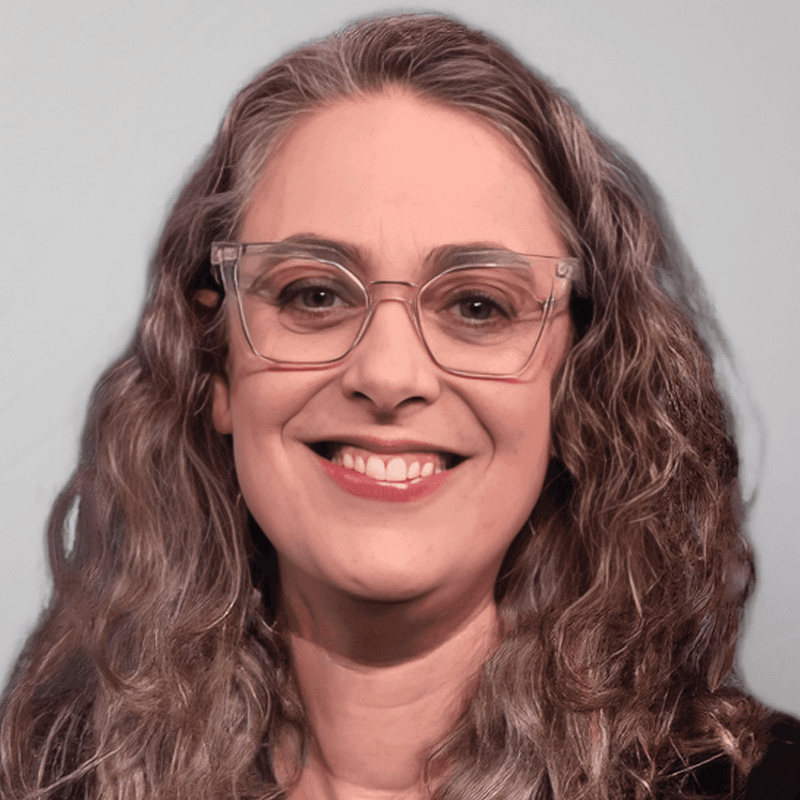
You are surely a friend of the Forward if you’re reading this. And so it’s with excitement and awe — of all that the Forward is, was, and will be — that I introduce myself to you as the Forward’s newest editor-in-chief.
And what a time to step into the leadership of this storied Jewish institution! For 129 years, the Forward has shaped and told the American Jewish story. I’m stepping in at an intense time for Jews the world over. We urgently need the Forward’s courageous, unflinching journalism — not only as a source of reliable information, but to provide inspiration, healing and hope.
— Alyssa Katz, editor-in-chief
Support our mission to tell the Jewish story fully and fairly.