U.S., Israel vote against U.N. resolution condemning Russian invasion of Ukraine
In the past, Israel has supported Ukraine at the United Nations
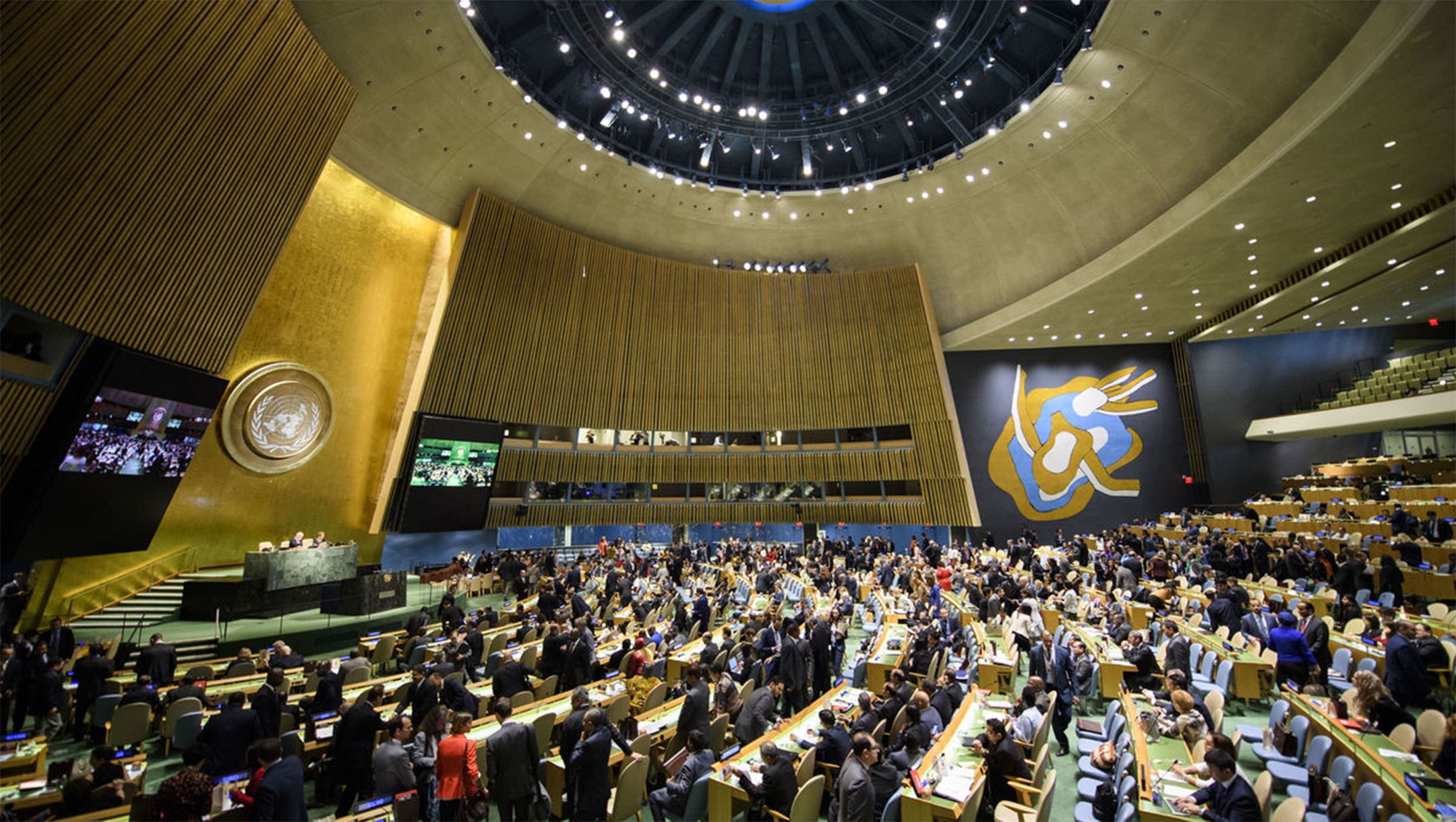
Delegates at work at the United Nations General Assembly in New York. Photo by UN Photo/Manuel Elias
(JTA) — Israel and the United States were among a slim minority of countries that voted against a United Nations resolution condemning Russia’s invasion of Ukraine.
Also voting “no” were Russia, Belarus, North Korea, Hungary and around a dozen other countries.
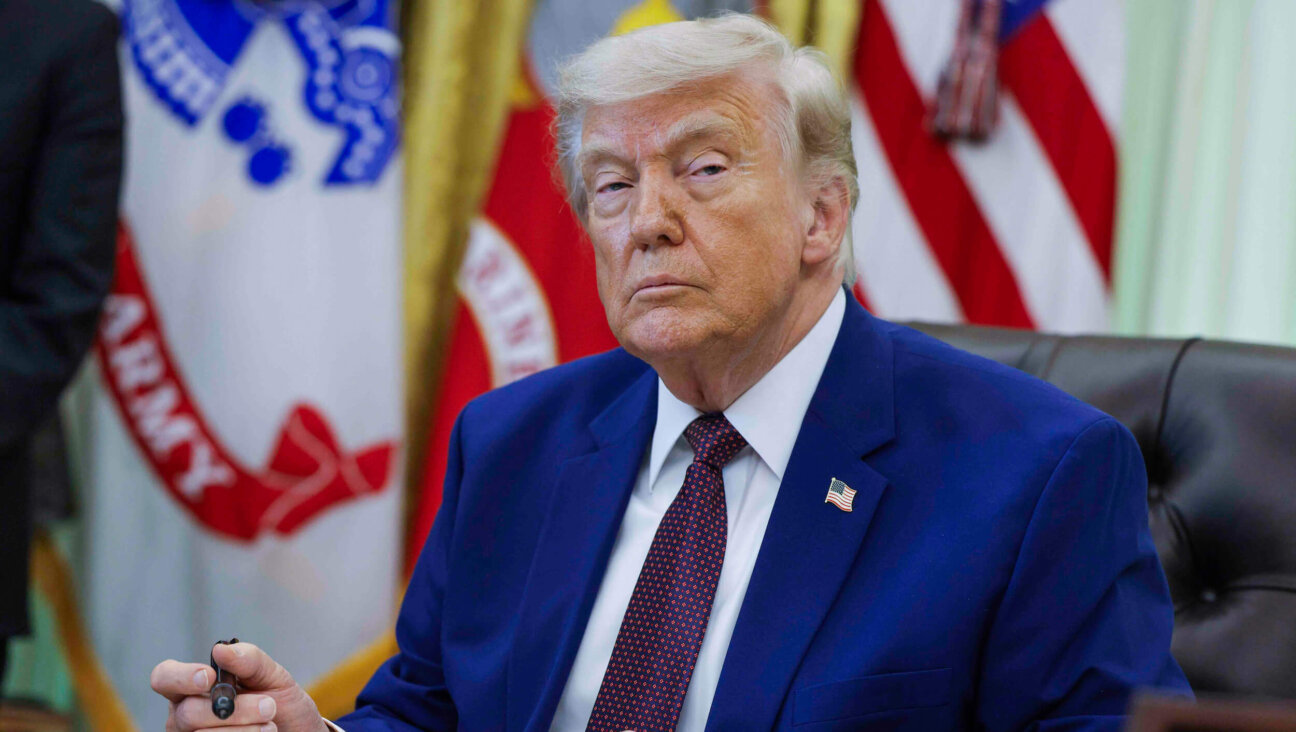
The resolution passed by a wide margin on Monday, the third anniversary of the war, but the American “no” vote reflected the about-face in U.S. policy toward Ukraine since President Donald Trump took office. Bucking three years of American support for Ukraine’s efforts to repel Russian forces, Trump has renewed relations with Russia, called Ukrainian President Volodymyr Zelensky a “dictator” and demanded half of Ukraine’s mineral resource revenues.
Israel has long sought to maintain relations with both sides in the war. For the past three years, Israel has tried to avoid antagonizing Russia because, until the fall of the Bashar Assad regime in December, Russian forces were active in Syria, and Israel conducted repeated airstrikes on Hezbollah weapons shipments there.
In the past, however, Israel has supported Ukraine at the United Nations. In March 2022, shortly after the invasion began, it joined nearly all countries in endorsing a resolution calling on Russia to withdraw its troops from Ukraine. And as recently as July, it voted in favor of a resolution demanding that Russia withdraw from a Ukrainian power plant.
Israel’s U.N. mission declined to comment on the vote. But Israel has sought to maintain close ties to the Trump administration, especially as it charts its course of action regarding the ceasefire in Gaza, the future of its war against Hamas and the effort to release Israeli hostages held by the terror group.
I’m personally matching all gifts to the Forward, up to $36,000. Can I match your gift now?

Hello, fellow Forward reader! I’m Joel Brown, a Forward reader and supporter for more than 15 years, and currently the chair of the board of directors.
I’m an avid Forward reader because it ticks so many of my essential boxes: excellent journalism, Jewish focus and diverse viewpoints. In today’s political climate, what I most appreciate is the Forward’s independence — made possible by the generosity of its membership.
The Forward is committed to bringing you unbiased, nuanced Jewish news. From my position as board chair, I see an exciting future as we expand our position as the definitive independent voice of contemporary American Judaism.
— Joel Brown, Forward board chair
Support our mission to tell the Jewish story fully and fairly.