A Jewish farmer broke ground on a synagogue in an Illinois cornfield. His neighbors showed up to help.
Nik Jakobs, a cattle farmer in rural Illinois, is building a new synagogue and Holocaust museum using sacred objects rescued from shuttered congregations across America
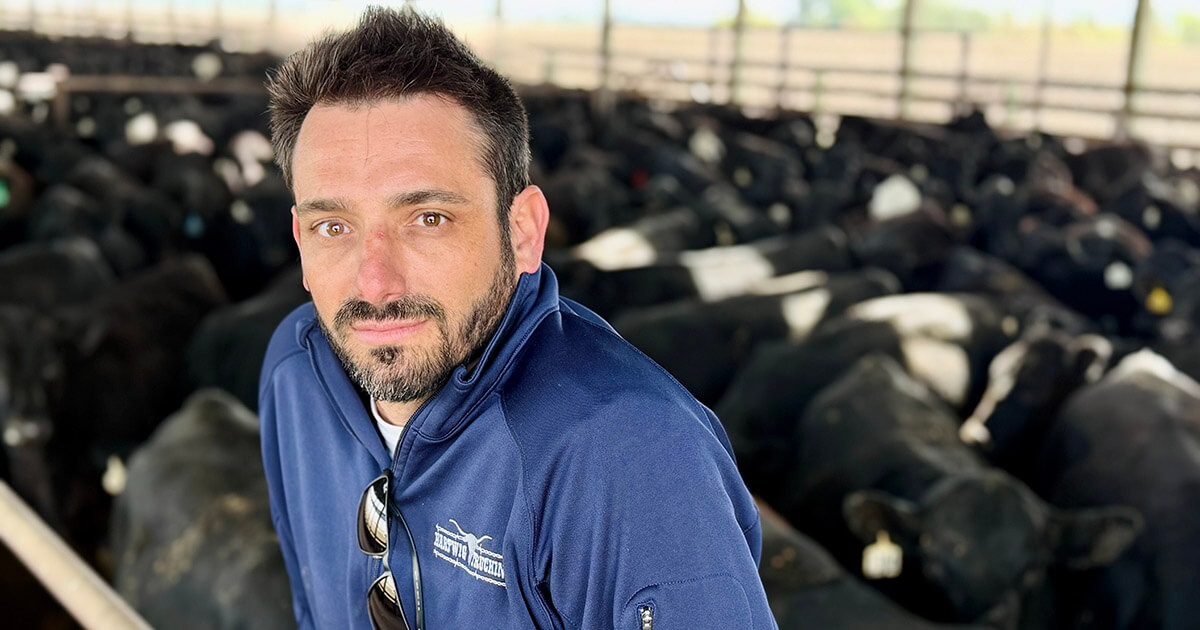
Nik Jakobs, a cattle farmer in rural Illinois, is building a synagogue in a two-acre cornfield. Photo by Benyamin Cohen
By Benyamin Cohen May 8, 2026
Benyamin has been reporting for more than a year on the improbable story of Nik Jakobs. Catch up here and here, and stay tuned for a forthcoming piece about a trip they took to the Netherlands to visit the towns where the Jakobs family survived the Holocaust. Yesterday was an important moment in Jakobs’ overall journey, and we wanted to share it with you.
STERLING, ILLINOIS — On Wednesday, Nik Jakobs was planting corn. On Thursday, the 41-year-old Illinois cattle farmer stood in a two-acre cornfield preparing to plant something else: a synagogue.
Around 75 people gathered on the edge of the field this week in Sterling, Illinois, a two-hour drive west of Chicago, where Jakobs and his family broke ground on a new home for Temple Sholom, the small congregation that has anchored Jewish life here for more than a century, and where his family has prayed since the 1950s.
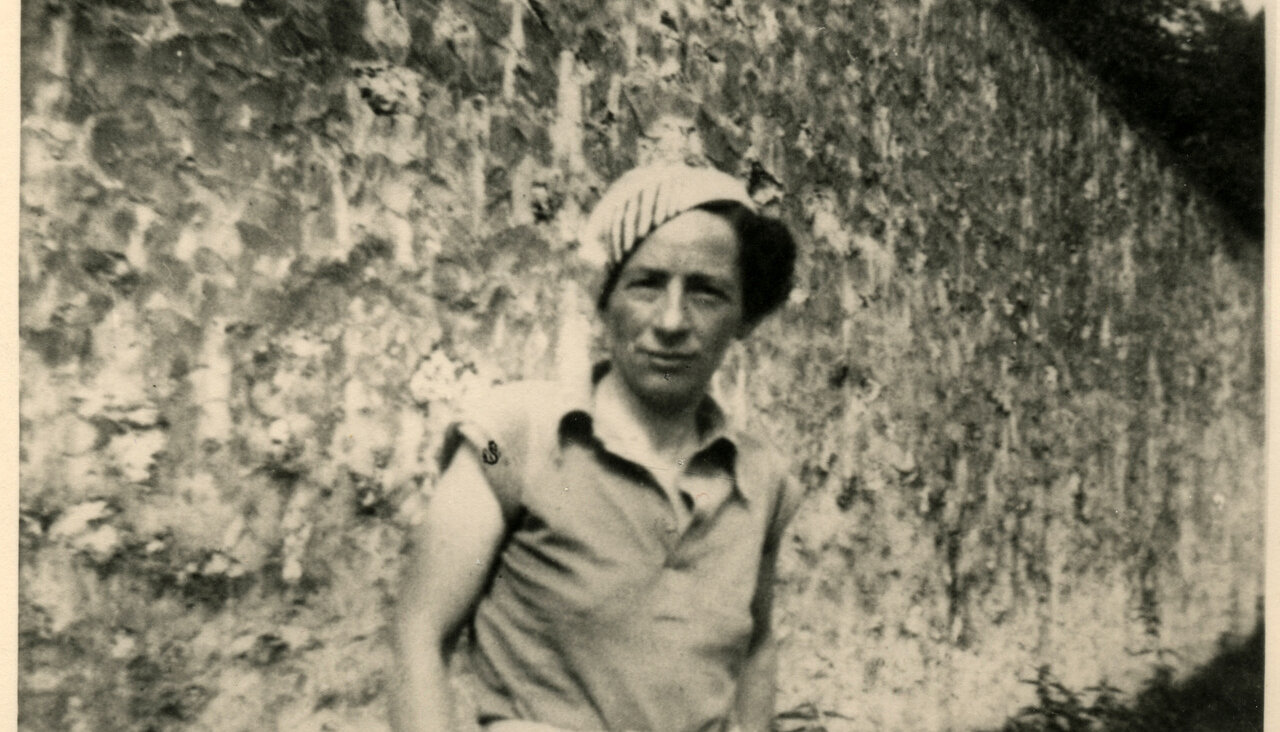
The planned 4,000-square-foot building will also house a Holocaust museum inspired by the story of Jakobs’ grandparents, Edith and Norbert, who survived the war after Christian families in the Netherlands hid them in their homes for years. Jakobs described the future museum as a place devoted not only to Jewish history, but to teaching the dangers of hatred and division. “If you have the choice to be right or kind,” he said, repeating advice from his grandmother, “choose kind.”
A 60-foot blue ribbon — chosen by Jakobs’ wife, Katie, to match the color of the Israeli flag — stretched across the future building site. His four daughters held it alongside his parents, brothers and friends. Then they lifted oversized gold scissors and cut the ribbon as pastors, farmers, city officials and members of neighboring churches applauded.
I’m writing a book about a young Jewish farmer who is building a synagogue in a two-acre cornfield in rural Illinois using sacred objects (ark, Torah, stained glass windows) donated by closing congregations across America. Today, they held the groundbreaking. 🧑🌾 🌽🕍 pic.twitter.com/90TynBMWHC
— Benyamin Cohen (@benyamincohen) May 8, 2026
The synagogue rising from this Illinois cornfield will house pieces of the past.
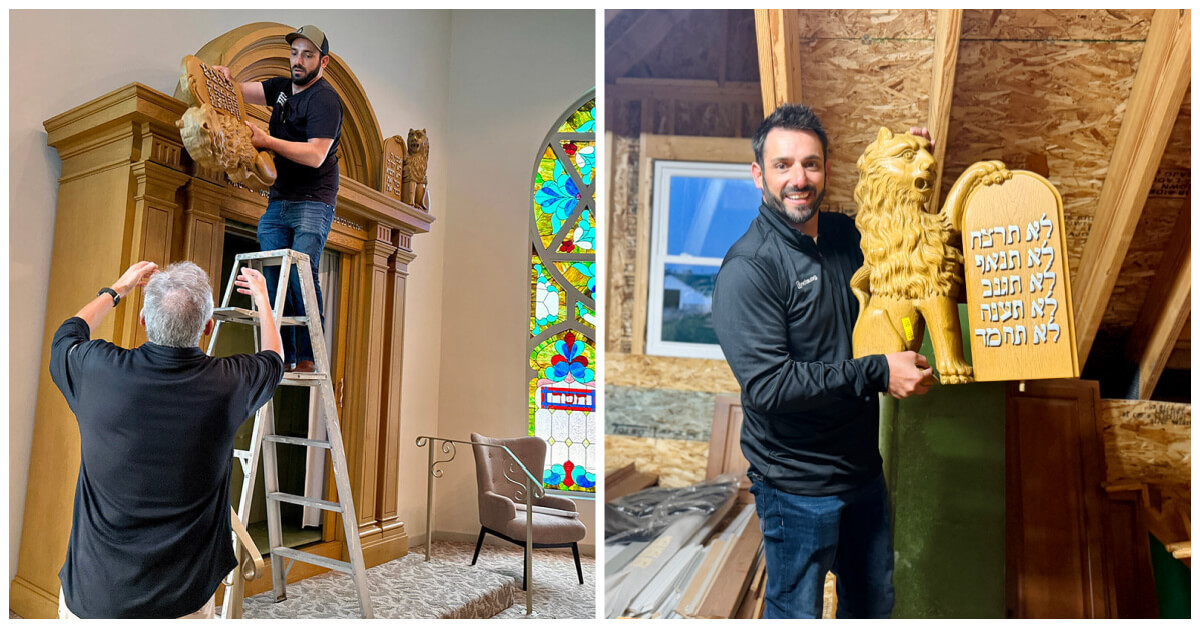
A nearby storage area holds Jewish objects Jakobs rescued from shuttered synagogues across the country: stained-glass windows, Torah arks, rabbi’s chairs, memorial plaques and wooden tablets engraved with the tribes of Israel. Many came from Temple B’nai Israel, a 113-year-old synagogue that closed down in 2025. It served generations of Jews in McKeesport, Pennsylvania, now a ghost town since the steel mills closed. Its remaining congregants donated sacred objects to Jakobs so their story could live on rather than disappear.
The day before the groundbreaking, the Jakobs family began opening some of the crates for the first time since they were packed away nearly a year ago. Nik’s father, Dave Jakobs, pried open one box with a hammer and crowbar while Nik loosened screws with an electric drill, the family gathered around like archaeologists opening a tomb.
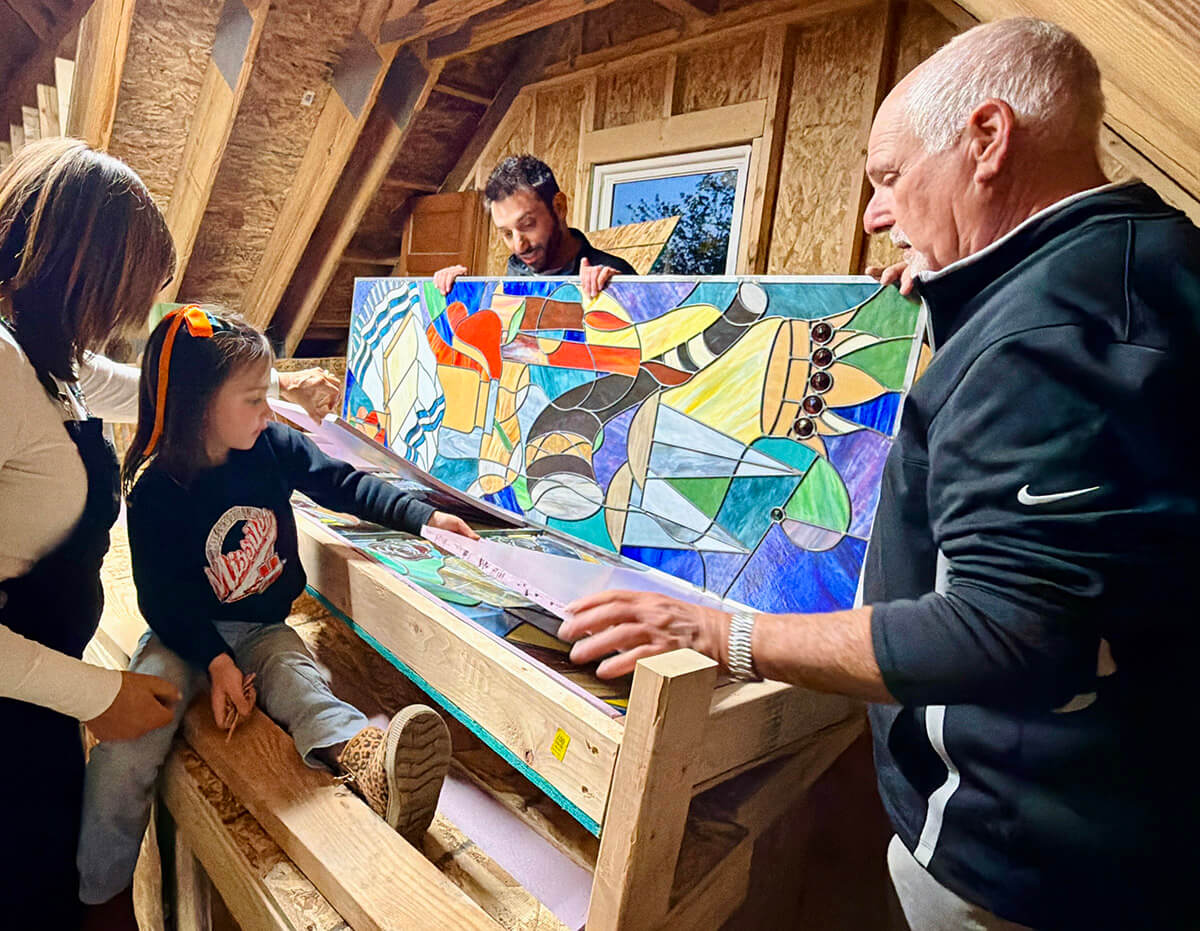
Inside was a stained-glass window with images of a tallit and shofar bursting in jewel tones of blue, yellow and red. Jakobs’ mother, Margo, lifted Annie, the youngest of Nik’s daughters, so the 4-year-old could peer inside. The bright red glass matched the bow in her hair.
Nearby sat the massive wooden ark salvaged from Pennsylvania, topped with twin Lions of Judah whose carved paws once overlooked generations of worshippers.
Faith on the farmland
Temple Sholom — founded in 1910 — was once the center of Jewish life in Sterling, a town of 14,500 surrounded by flat farmland and tall grain silos. Its Jewish community once included a pharmacist, the manager of Kline’s department store and the owner of a local McDonald’s franchise.
Over time, membership dwindled. The roof sagged. The pews emptied.
Last year, the congregation sold its aging building and relocated High Holiday services to a tent on the Jakobs’ farm, where prayers mingled with the smell of manure and cattle lowing nearby.
At a moment when many small-town synagogues are closing, Temple Sholom is doing something increasingly rare: building a bigger new sanctuary from scratch. The synagogue will sit prominently along one of Sterling’s main roads — a highly visible expression of Jewish life in a region where Jews are few.
Thursday’s groundbreaking took place on the National Day of Prayer, the annual observance formalized under President Ronald Reagan, who grew up a few miles away in Dixon, Illinois. Earlier that morning, attendees gathered inside New Life Lutheran Church for a breakfast sponsored by Temple Sholom.
“I was so happy to see bagels, lox and cream cheese,” said Rev. James Keenan, a Catholic priest originally from Brooklyn. “It reminded me of home.”
Inside the church sanctuary, a large wooden cross glowed amber and blue above the dais while two giant screens displayed the National Day of Prayer logo. Jakobs, wearing cowboy boots, jeans and a powder-blue blazer, addressed the crowd.
“Tolerance is not weakness,” he said. “It is strength.”
The new synagogue will sit beside New Life Lutheran Church on land sold to Temple Sholom by farmer Dan Koster, 71, who has known the Jakobs family for three generations.
“We need more religious presence in the community,” Koster said.
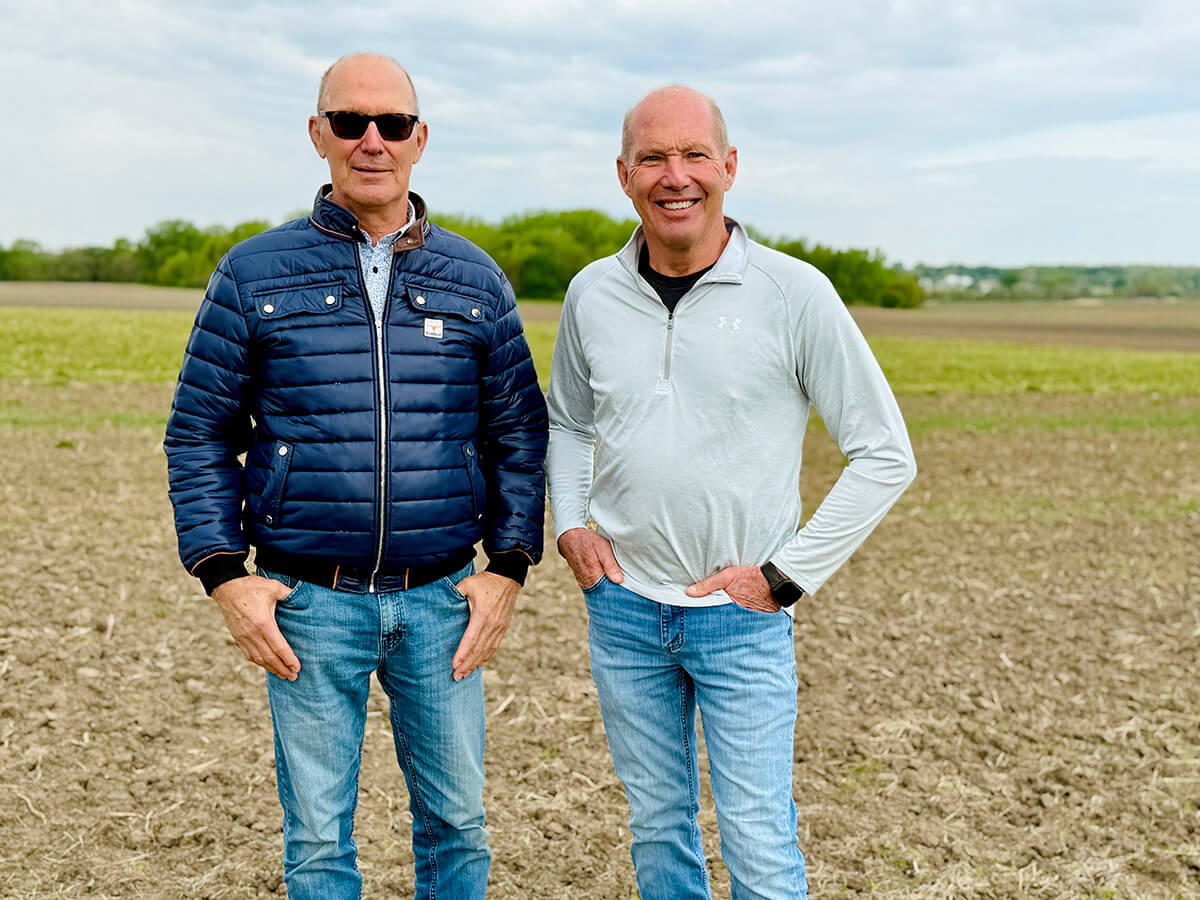
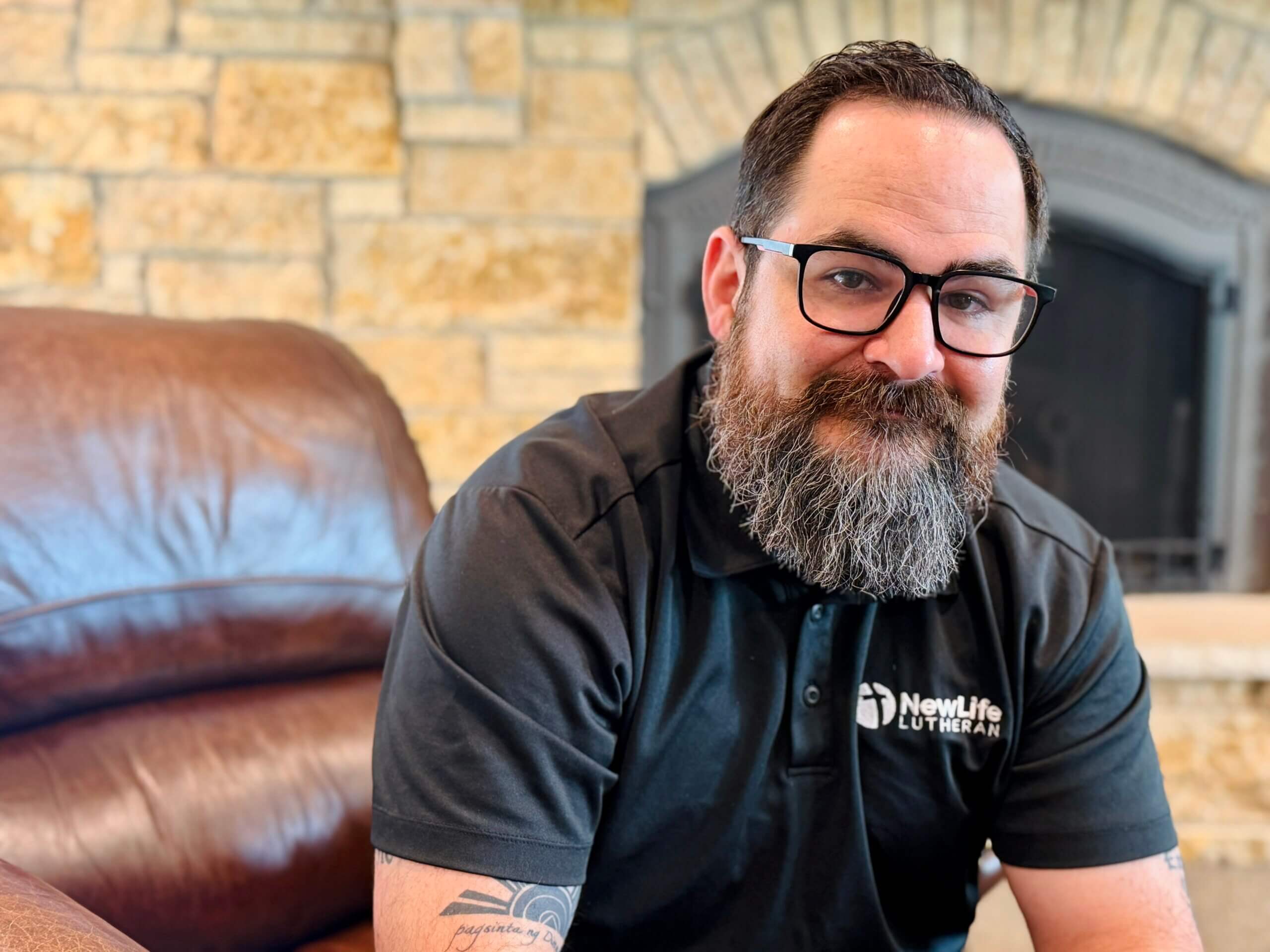
For Drew Williams, New Life’s 38-year-old lead pastor, the synagogue and museum represent more than neighboring buildings. His church already hosts food-packing drives, summer meal programs and community events. He imagines future partnerships with Temple Sholom.
“I don’t think there’s any community that is immune to hate,” Williams said. “That just means it’s on us” to be on the other side “spreading peace.”
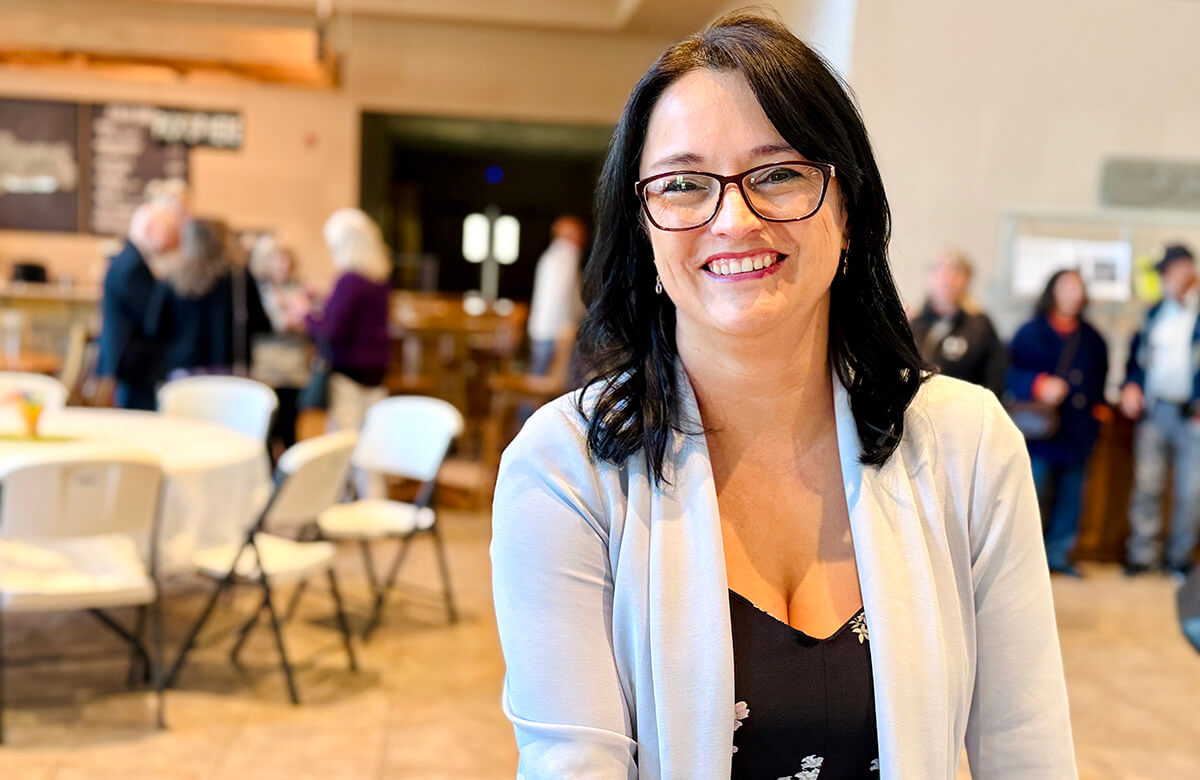
Sterling Mayor Diana Merdian, who is 41 and grew up in town with Jakobs, said the project reflects a broader desire among younger generations to preserve local history and identity. “If we don’t carry those stories, we lose them,” she said. “Once you lose that, you can’t get it back.”
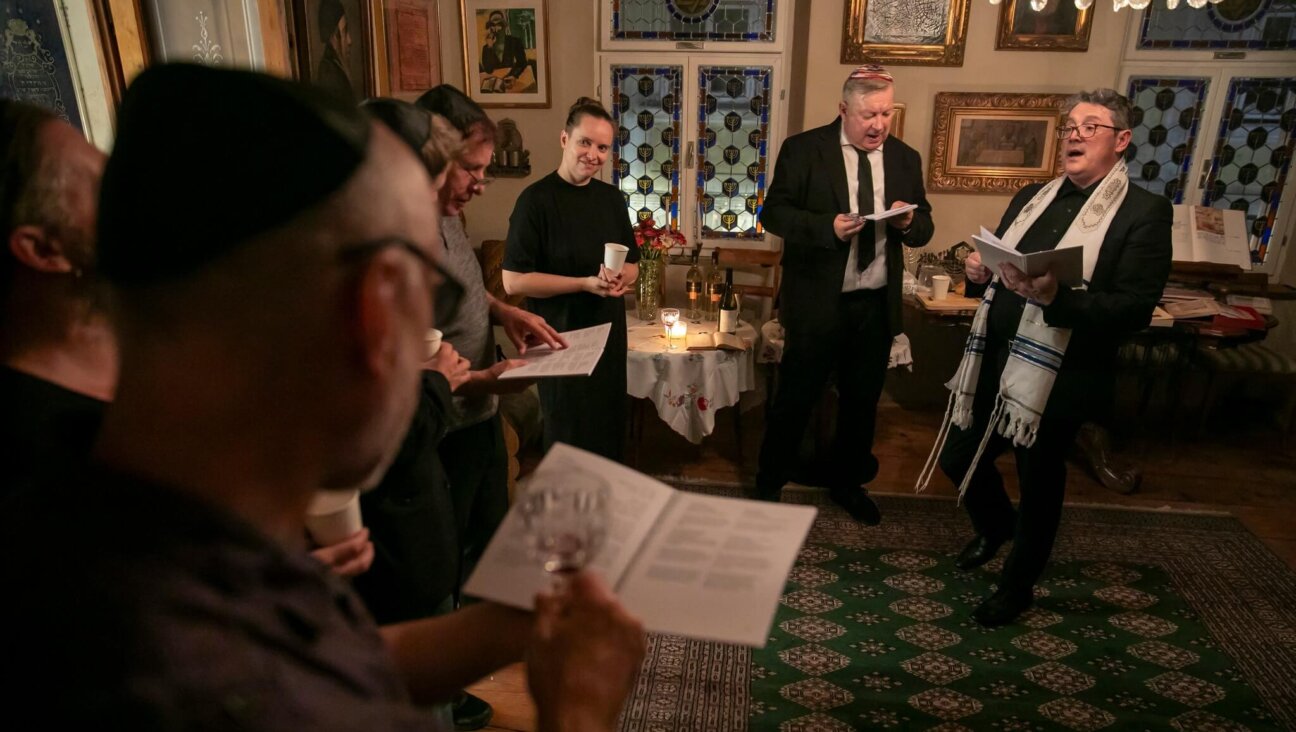
During the ceremony in the cornfield, Temple Sholom’s longtime cantor, Lori Schwaber, asked those gathered to remember the congregation’s founding members and recite the Mourner’s Kaddish together. Jews and Christians stood side by side in the prairie wind as Hebrew prayers drifted across the open farmland.
Lester Weinstine, a 90-year-old congregant who was the first bar mitzvah at Temple Sholom when the shul was still housed out of a Pepsi bottling plant, looked out across the field in disbelief. “I never thought I would see this,” he said.
For Jakobs, the synagogue project has become inseparable from the lessons his grandparents’ survival taught him. “You sometimes feel on an island as a Jew, especially in rural America,” he said. “But this community — that’s not what I’ve experienced here.”
If construction stays on schedule, the synagogue will open in fall 2027. Its first major service will not be a dedication ceremony, but the bat mitzvah of Jakobs’ oldest daughter, Taylor.
Members of the Pennsylvania congregation are planning a bus trip to Illinois for the occasion, after donating many of their sacred objects to help build Jakob’s synagogue. Their former rabbi has offered to officiate.
“If a farmer can build a synagogue in a cornfield,” Jakobs said, “anybody can do it anywhere.”
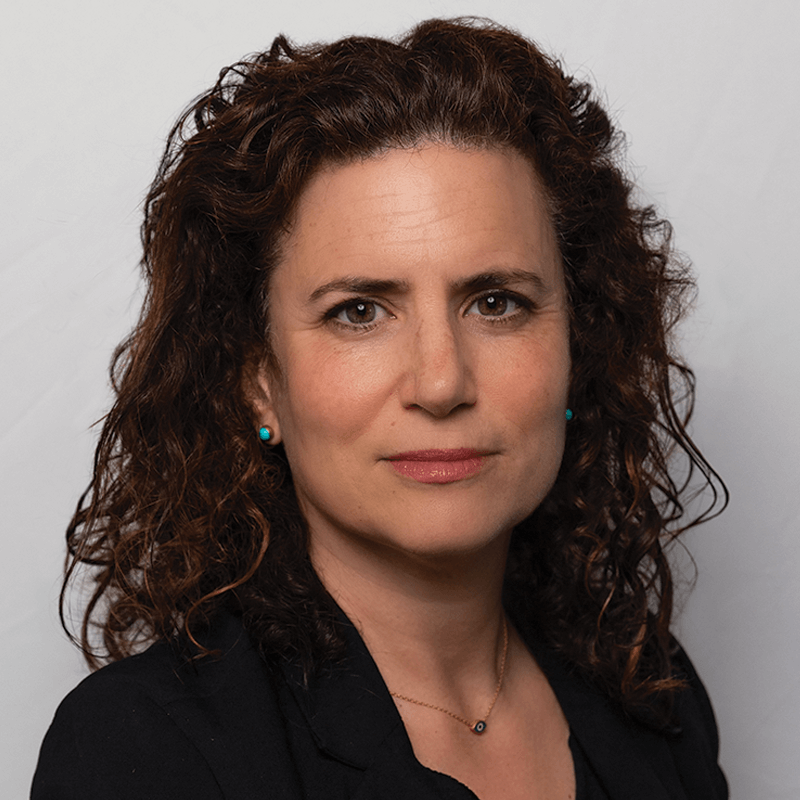
Did you know that only 2% of Forward readers donate to support our nonprofit newsroom? That 2% make it possible for millions to read the Forward without a paywall or subscription — removing any barriers to the full and fair Jewish story.
But while the Forward is free to read, it isn’t free to produce. Big stories — like deep dives into the antisemitism data, political scoops or reporting trips to college campuses — take months of research and fact-checking. All while we keep you informed of what you need to know each day.
— Rachel Fishman Feddersen, Forward Publisher & CEO
Support our mission to tell the Jewish story fully and fairly.