ווירטועלער רעפֿעראַט אויף ייִדיש וועט פֿאָקוסירן אויף חיים גראַדעס פּאָעזיעOnline talk in Yiddish will focus on Chaim Grade’s poetry
צווישן די טעמעס וואָס גראַדע האָט באַרירט אין זײַנע לידער איז געווען זײַן פֿאַרלאָזן די מוסר־באַוועגונג.
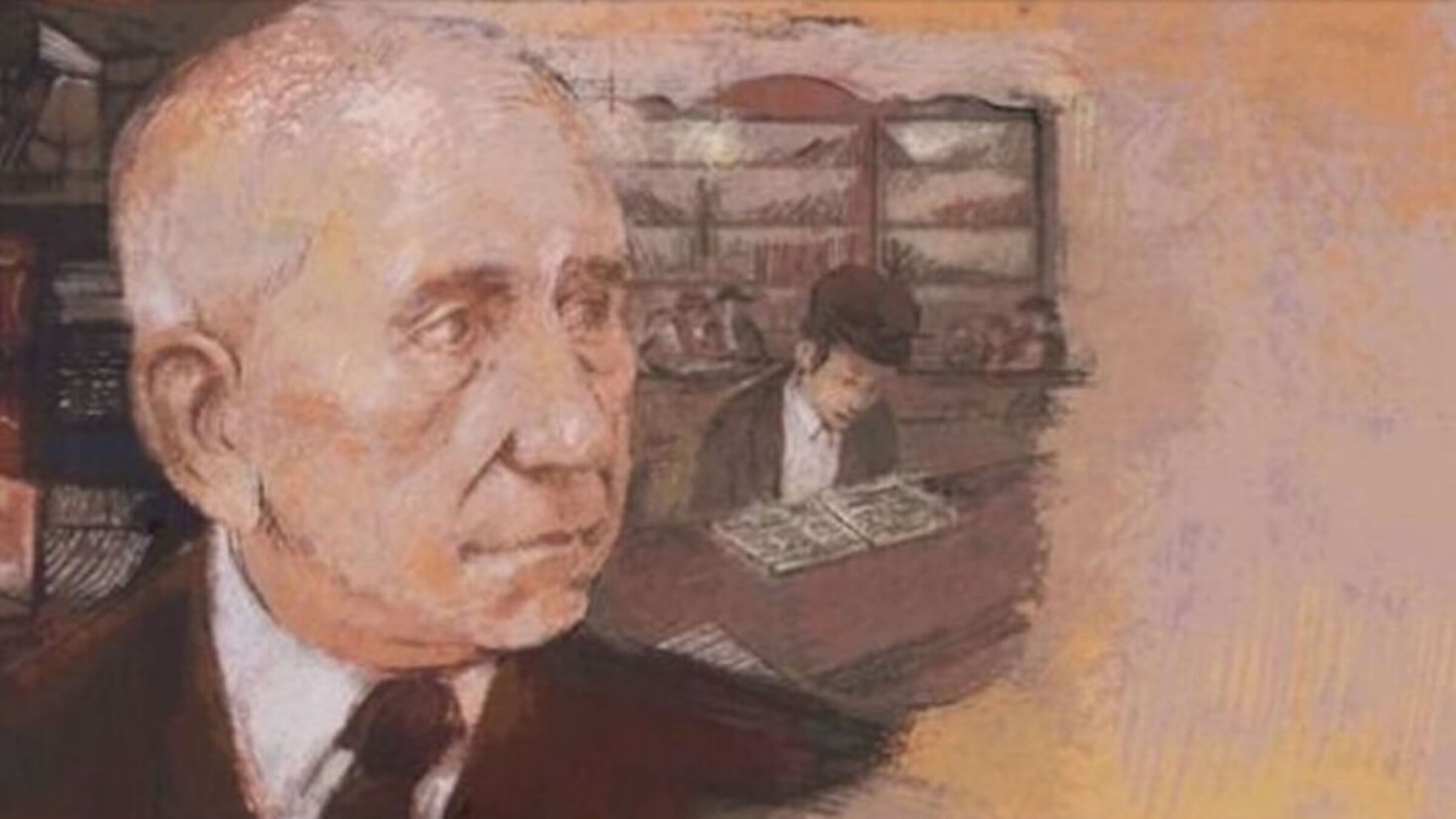
Image by Yehuda Blum
די טעג הערט מען אַ סך וועגן דער פּראָזע פֿון חיים גראַדע (1910־1982) — צום גרעסטן טייל, צוליב דער נײַער ענגלישער איבערזעצונג פֿון זײַן ראָמאַן, „זין און טעכטער“.
דעם 26סטן יוני וועט דער ליטעראַטור־פֿאָרשער גרשון (דזשאָשואַ) פּרײַס, פֿון יעל־אוניווערסיטעט, אָבער האַלטן אַ ווירטועלן רעפֿעראַט וועגן גראַדעס פּאָעזיע. כאָטש גראַדע איז טאַקע באַקאַנט װי אײנער פֿון די גדולים פֿון דער נאָכמלחמהדיקער ייִדישער פּראָזע האָט ער אױך אַרױסגעגעבן צען בענד לידער, װאָס באַהאַנדלען די גרעסטע ענינים פֿון זײַן לעבן און תּקופֿה.
צווישן די טעמעס וואָס גראַדע האָט באַהאַנדלט אין זײַנע לידער: דאָס איבערלאָזן די װעלט פֿון מוסר און דאָס אָנקומען אין אַ װעלט װאָס „גײט שוין אַראָפּ פֿון איר קרײץ“; זײַן באַפֿעל צו זיך אַליין צו שאַפֿן אַן „אײגענעם יזכּור־בוך“ דװקא אױף דעם „געפּײַניקטן ייִדישן לשון“, און דער אױפֿקום פֿון זײַן „שטילער עיר־הקודש“ — ירושלים, אין דעם אַלט־נײַעם ישׂראל.
מע וועט אויך הערן רעקאָרדירונגען ווי חיים גראַדע לייענט אַליין פֿאָר זײַנע לידער און אַן אינטערװיו וואָס דער ייִדישער פּאָעט אַבֿרהם טאַבאַטשניקן האָט געמאַכט מיט אים אין 1955.
פּרײַס לערנט הײַנט ייִדיש אין יעל־אוניווערסיטעט. זײַנע ווערק וועגן ייִדישער ליטעראַטור זענען שוין געדרוקט געוואָרן בײַ „אין געוועב“ און „אויפֿן שוועל“. איצט אַרבעט ער אויף אַ לענגערן אַרטיקל וועגן ייִדישער ליטעראַטור פֿאַר אַ קומעדיקן באַנד (אויף ענגליש) — „קיימברידזש געשיכטע פֿון דער ייִדישער ליטעראַטור“.
כּדי זיך צו פֿאַרשײַבן אויפֿן רעפֿעראַט, גיט אַ קוועטש דאָ.

Hello, fellow Forward reader! I’m Joel Brown, a Forward reader and supporter for more than 15 years, and currently the chair of the board of directors.
I’m an avid Forward reader because it ticks so many of my essential boxes: excellent journalism, Jewish focus and diverse viewpoints. In today’s political climate, what I most appreciate is the Forward’s independence — made possible by the generosity of its membership.
The Forward is committed to bringing you unbiased, nuanced Jewish news. From my position as board chair, I see an exciting future as we expand our position as the definitive independent voice of contemporary American Judaism.
That’s why I’m paying it Forward, by matching $36,000 of reader gifts. It’s an investment in the Forward’s newsroom, to continue telling the American Jewish story with truth and independence.
— Joel Brown, Forward board chair
Support our mission to tell the Jewish story fully and fairly.