אַ קורס וועגן די ייִדישע דיאַלעקטן אינעם אַלטן ייִשובֿA course about the Yiddish dialects of the ‘Old Yishuv’
דער ירושלימער ייִדיש שטאַמט פֿון ליטוויש ייִדיש בעת דער צפֿתער ייִדיש שטאַמט פֿון אוקראַיִניש ייִדיש.
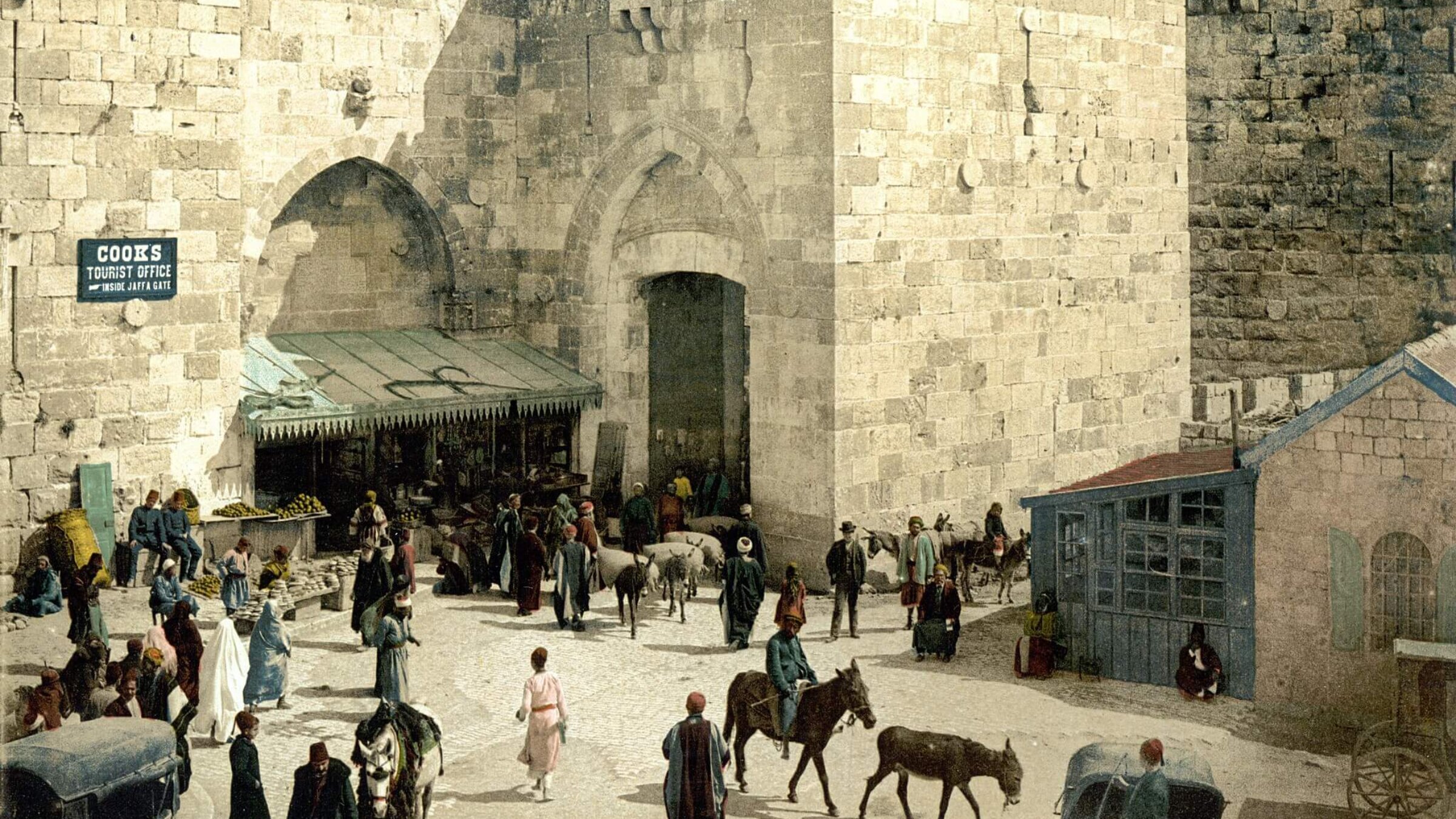
דער יפֿו טויער אין ירושלים, בערך 1890־1900 Photo by Wikimedia Commons
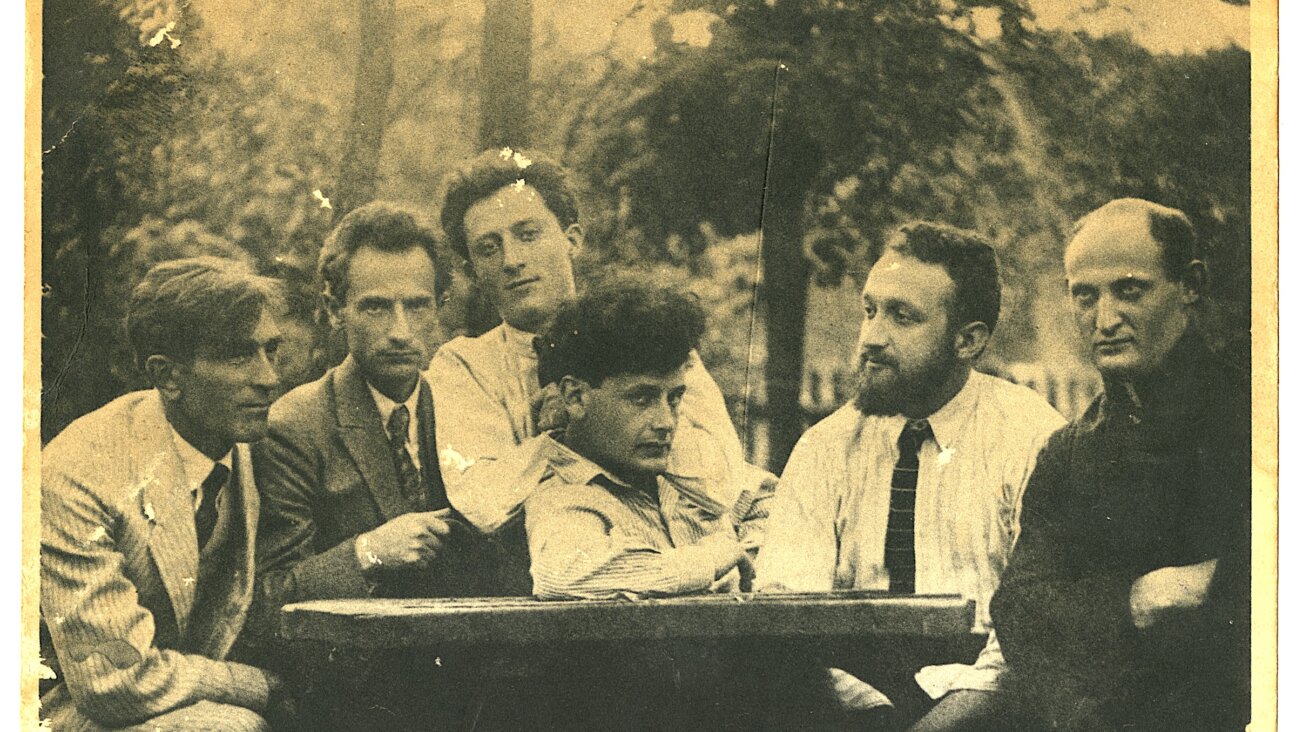
אַ סך מענטשן ווייסן נישט, אַז אין ארץ־ישׂראל בעת די תּקופֿות פֿון דער אָטאָמאַנישער הערשאַפֿט און דעם בריטישן מאַנדאַט האָבן די ייִדישע אײַנוווינער גערעדט ייִדיש — בפֿרט אין ירושלים און צפֿת.
דער ירושלימער ייִדיש שטאַמט פֿון ליטוויש ייִדיש, וואָס די מתנגדים — נאָכגייער פֿונעם ווילנער גאון, ווי אויך חב״ד און די חסידים פֿון וויטעבסק — האָבן גערעדט. דער צפֿתער ייִדיש שטאַמט אָבער פֿון אוקראַיִניש ייִדיש. דאָס זענען געווען די איינציקע צוויי ייִדישע דיאַלעקטן, וואָס מע האָט גערעדט הונדערטער יאָרן לאַנג מחוץ אייראָפּע.
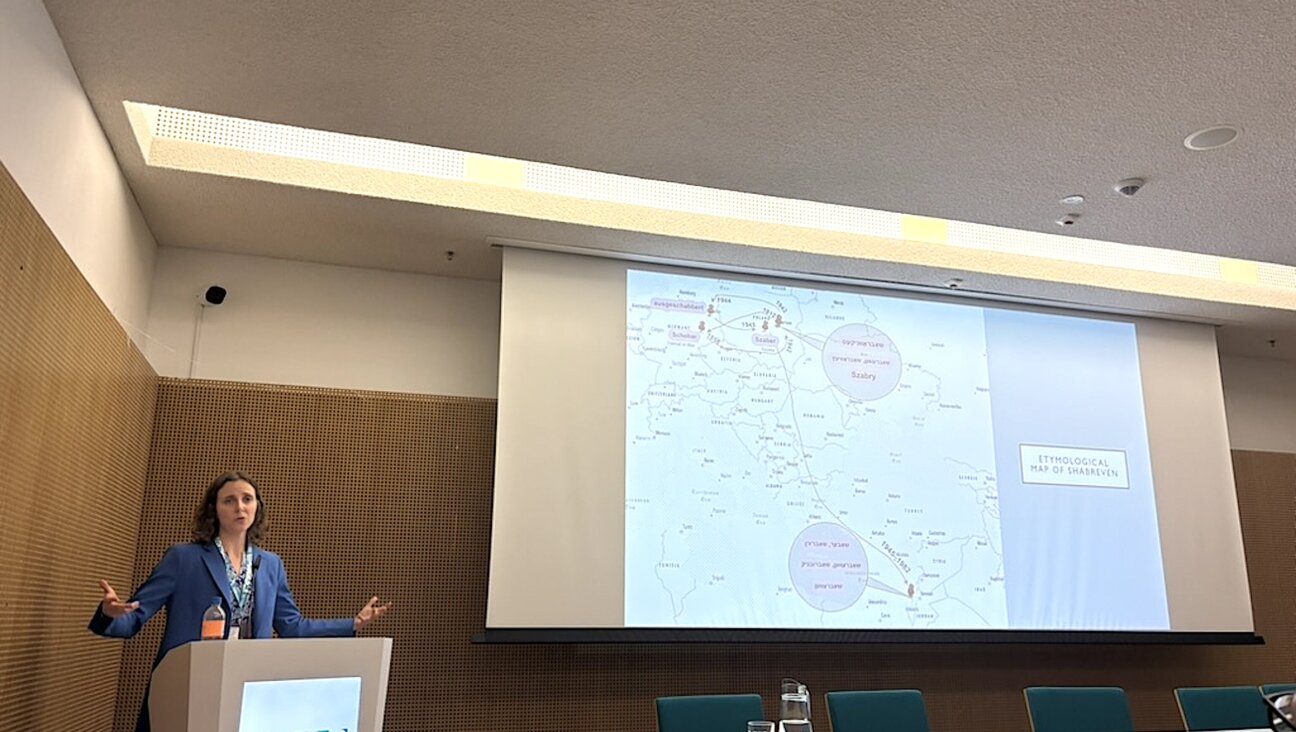
דעם זומער וועט מען בײַם אַרבעטער רינג קענען הערן אַ קורס וועגן די ייִדישע דיאַלעקטן אינעם אַלטן ייִשובֿ, געפֿירט פֿון די ייִדיש־פֿאָרשער לייזער בורקאָ און אורי חורש. דער קורס, וואָס וועט געפֿירט ווערן אויף ייִדיש, וועט זיך טרעפֿן יעדן זונטיק, אָנהייבנדיק פֿונעם 29סטן יוני, פֿון 12 ביז 1:30 ניו־יאָרקער צײַט
מיטן אַלטן ייִשובֿ מיינט מען די ייִדישע קהילה אין ארץ־ישׂראל פֿאַר דער ציוניסטישער אימיגראַציע ביזן סוף פֿון דער ערשטער וועלט־מלחמה. ס׳רובֿ פֿון די ייִדן אינעם ייִשובֿ האָבן געוווינט אין די פֿיר „הייליקע“ שטעט ירושלים, צפֿת, חבֿרון און טבֿריה, און האָבן זיך און זייערע משפּחות אויסגעהאַלטן אַ דאַנק נדבֿות פֿון ייִדן אין אויסלאַנד. דאָס איז להיפּוך צום נײַעם ייִשובֿ, וואָס איז געווען מער סעקולער און ציוניסטיש־געשטימט.
כּדי זיך צו פֿאַרשרײַבן אויפֿן קורס גיט אַ קוועטש דאָ

Hello, fellow Forward reader! I’m Joel Brown, a Forward reader and supporter for more than 15 years, and currently the chair of the board of directors.
I’m an avid Forward reader because it ticks so many of my essential boxes: excellent journalism, Jewish focus and diverse viewpoints. In today’s political climate, what I most appreciate is the Forward’s independence — made possible by the generosity of its membership.
The Forward is committed to bringing you unbiased, nuanced Jewish news. From my position as board chair, I see an exciting future as we expand our position as the definitive independent voice of contemporary American Judaism.
That’s why I’m paying it Forward, by matching $36,000 of reader gifts. It’s an investment in the Forward’s newsroom, to continue telling the American Jewish story with truth and independence.
— Joel Brown, Forward board chair
Support our mission to tell the Jewish story fully and fairly.