
Marc Caplan
By Marc Caplan
-

Yiddish World Chava Rosenfarb’s “Confessions of a Yiddish Writer and Other Essays”
This article originally appeared in the Yiddish Forverts. Chava Rosenfarb (1923-2010) was undoubtedly one of the most important Yiddish writers after the Holocaust. A new collection of her essays, has just arrived. The book, Confessions of a Yiddish Writer and Other Essays, was translated into English by her daughter Goldie Morgentaler and published by McGill-Queens…
-

Culture How I Learned To Speak Yiddish And Love The Forverts
This article originally appeared in the Yiddish Forverts. It is part of a series on Forverts memories written by and about present and past Forverts writers and editors. Just a few months after I began studying Yiddish, I bought my first copy of the Forverts at a newsstand in midtown Manhattan. The headline on the…
-

Culture Amos Oz: Israel’s Melancholy Visionary
This article originally appeared in the Yiddish Forverts. I only had the opportunity to meet Amos Oz, the distinguished Israeli author who passed away on December 28 at the age of 79, on one occasion. It was in 2004, in Philadelphia. I was then on a Jewish Studies fellowship at the University of Pennsylvania, having…
-

Culture How Claude Lanzmann Created Post-War European Jewish Identity
A few years ago at a conference in Paris, I was present at a lecture in French, a language that I understand well enough, but which I speak only with great difficulty. The lecture dealt with the Egyptian-Jewish poet and Holocaust survivor Edmond Jabès. Afterwards I wanted to ask a question, so I began speaking…
-

Culture Philip Roth And The Yiddish Tradition
This article originally appeared in the Yiddish Forverts. In the course of their ongoing debate, the literary critic Irving Howe used to complain that Philip Roth’s writing suffered from a weak connection to the Jewish tradition and that he was a writer with a “thin personal culture.” What strikes us more than 40 years later,…
-
Culture Three Cities of Yiddish: St. Petersburg—Warsaw—Moscow
This article originally appeared in the Yiddish Forverts. Three Cities of Yiddish: St. Petersburg—Warsaw—Moscow. Edited by Gennady Estraikh and Mikhail Krutikov. Oxford: Legenda, 2017, 201 pages The British book series “Studies in Yiddish,” published by Legenda (and known among academics as “the Legenda series”), is in my estimation the most important venue for contemporary research…
-

Culture Why Nobel Laureate Bob Dylan Has a Yiddish Soul
It was not two days ago that I was making a point in a private e-mail in which I reached for this example from the pen of the newest Nobel Laureate for Literature: “Time and love has branded me with its claws/Had to go to Florida/Dodging them Georgia laws/Poor Boy in a hotel called The…
-
News ‘Sudden Rain’ Makes a Splash
Marc Caplan teaches comparative literature at Indiana University Bloomington. Plutsemdiker Regn (Sudden Rain) By Gitl Schaechter-Viswanath Israel Book Publishing House, 128 pages, $15. * * *| The chasidic master Reb Borekh of Mezbizh once offered the parable of two strangers who, because neither of them knew the people around them, came to love one another….
Explore
Most Popular
- 1

News Israeli President Isaac Herzog’s selection as JTS commencement speaker roils graduating class
- 2

News Analysis: As Democrats unite behind Platner, Schumer’s future as leader faces tests
- 3
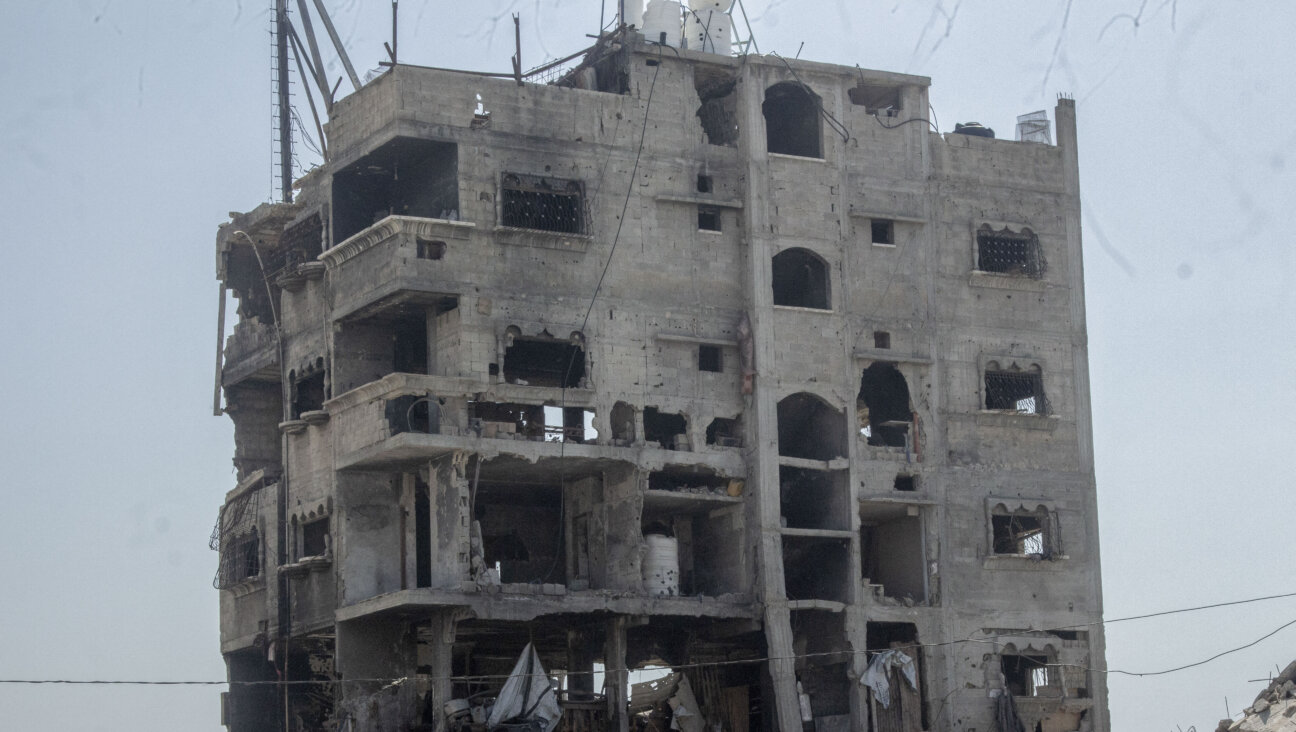
Culture An Israeli genocide scholar looks to Israel’s history to understand ‘what went wrong’
- 4
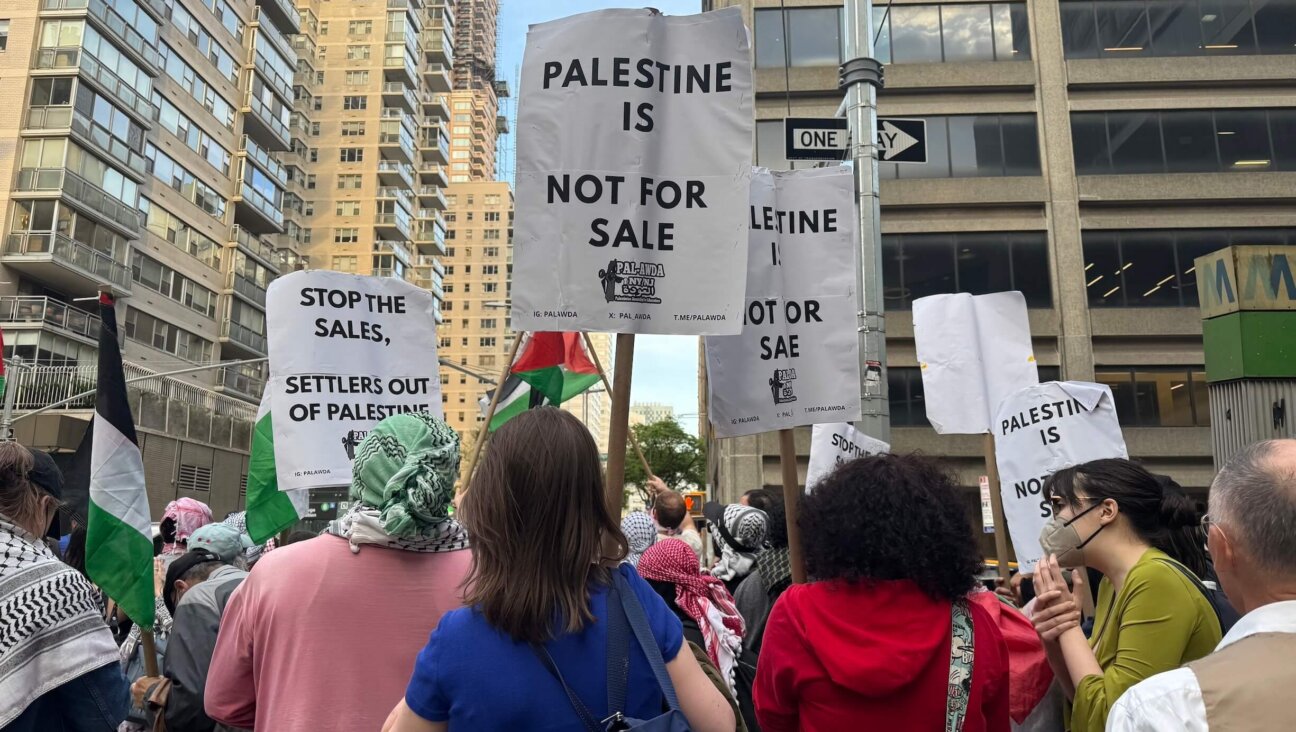
News Protesters picket Manhattan synagogue over Israel real estate sale, testing Mamdani and new law
In Case You Missed It
-
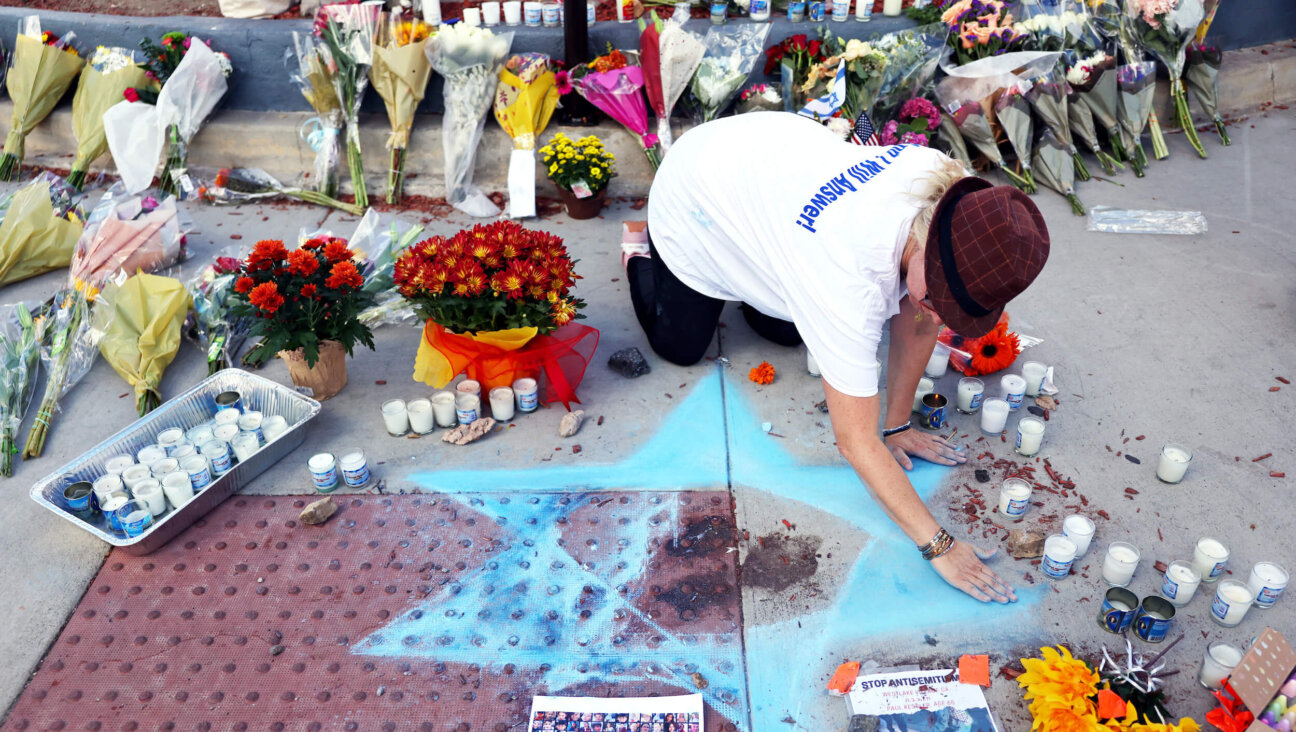
News California man pleads guilty in 2023 death of pro-Israel protester
-

Fast Forward British Greens battle antisemitism scandal as Jewish leader Zack Polanski targets historic gains in local elections
-

Fast Forward Casey Putsch, candidate who asked Grok to praise Hitler, loses in Ohio GOP primary
-
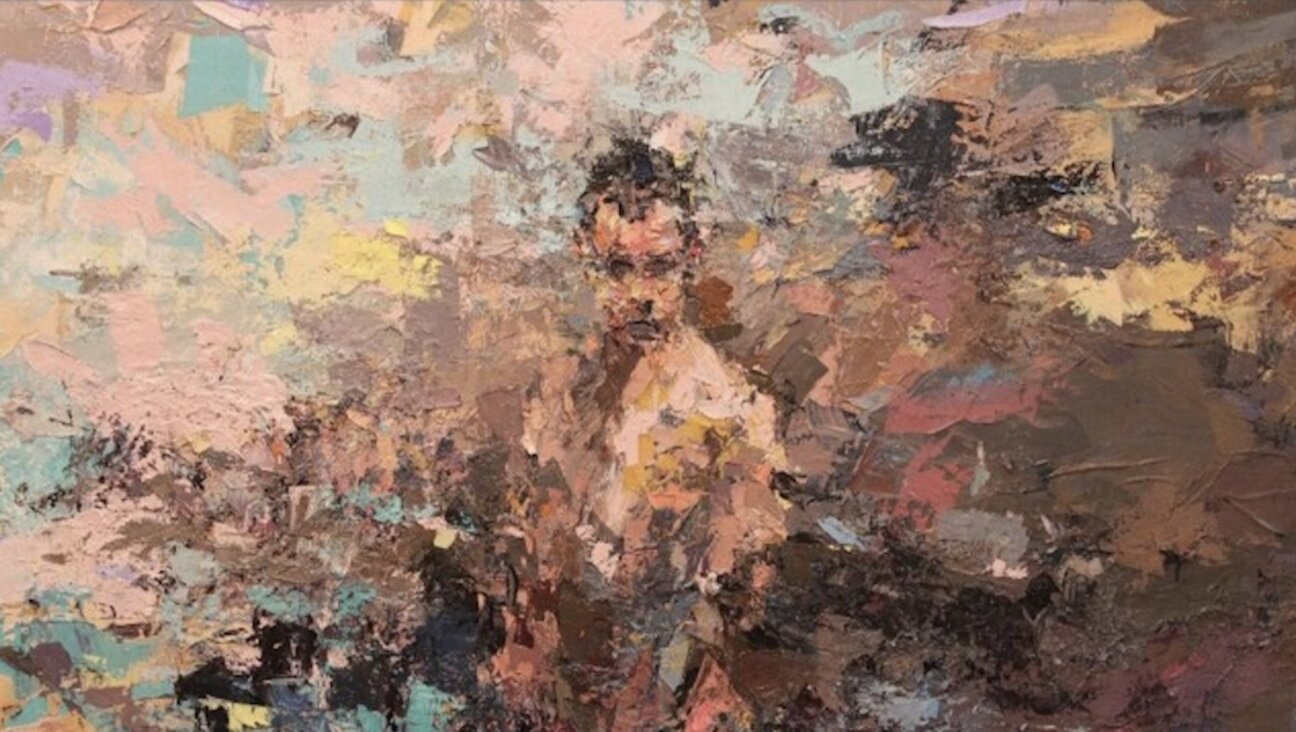
Yiddish װערטער װאָס ראַטעװען: ירמיהו אַהרן טאַובס נײַ ביכל לידערWords of rescue: Yermiyahu Ahron Taub’s new book of poetry
באַזונדערש רירנדיק דאָ זײַנען די בילדער פֿון משפּחה־רײַבונגען, פֿון באַגעגענישן װאָס ברענגען נישט צו קײן עמאָציאָנעלע פֿאַרשטענדיקונגען.