‘Odessa’ wants to use your empathy against you
Viewers slowly realize a family fleeing post-war Germany may not be on the right side of history
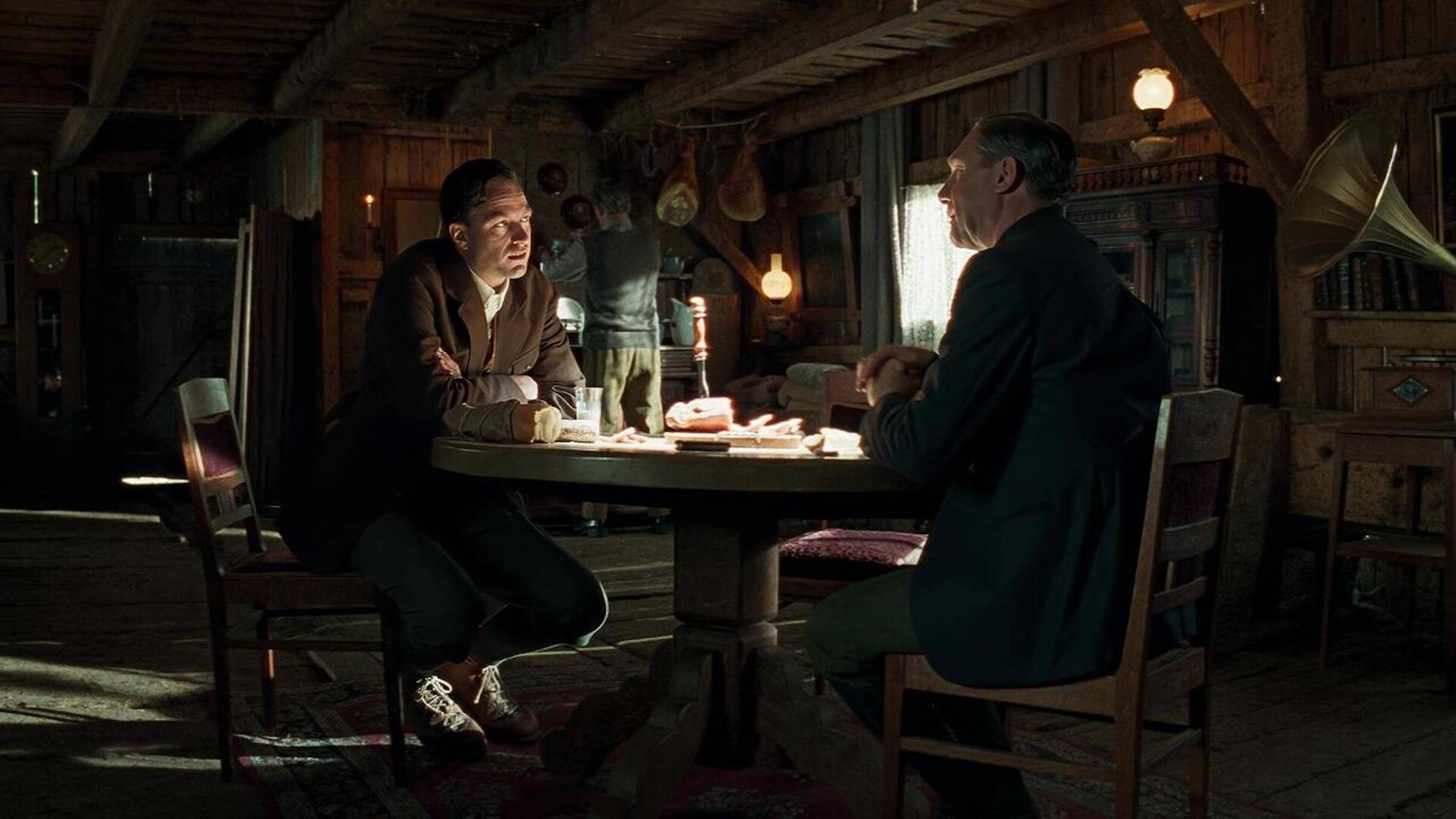
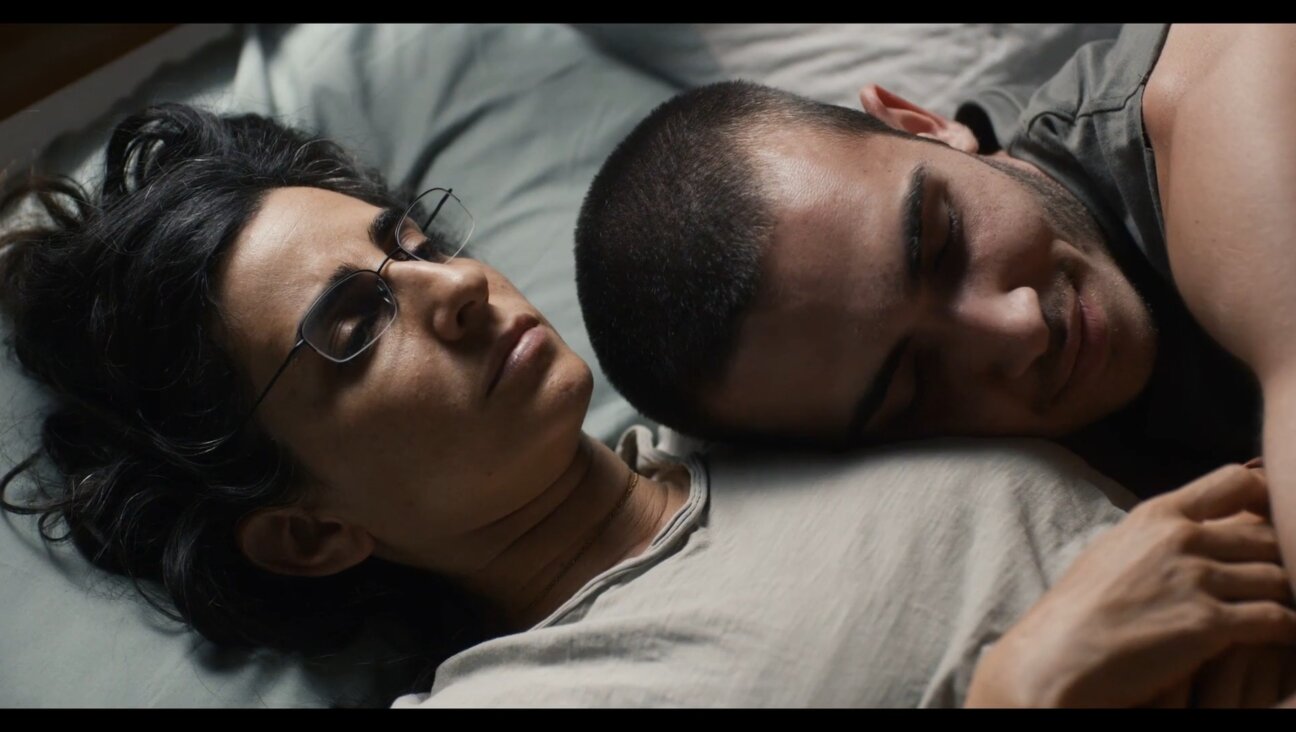
Bastian Beyer (left) plays a father fleeing Germany in ‘Odessa.’ Courtesy of Exosphere

By Olivia Haynie June 10, 2026
The short film Odessa begins with what its director Harald Swinkels calls an “empathy trap.”
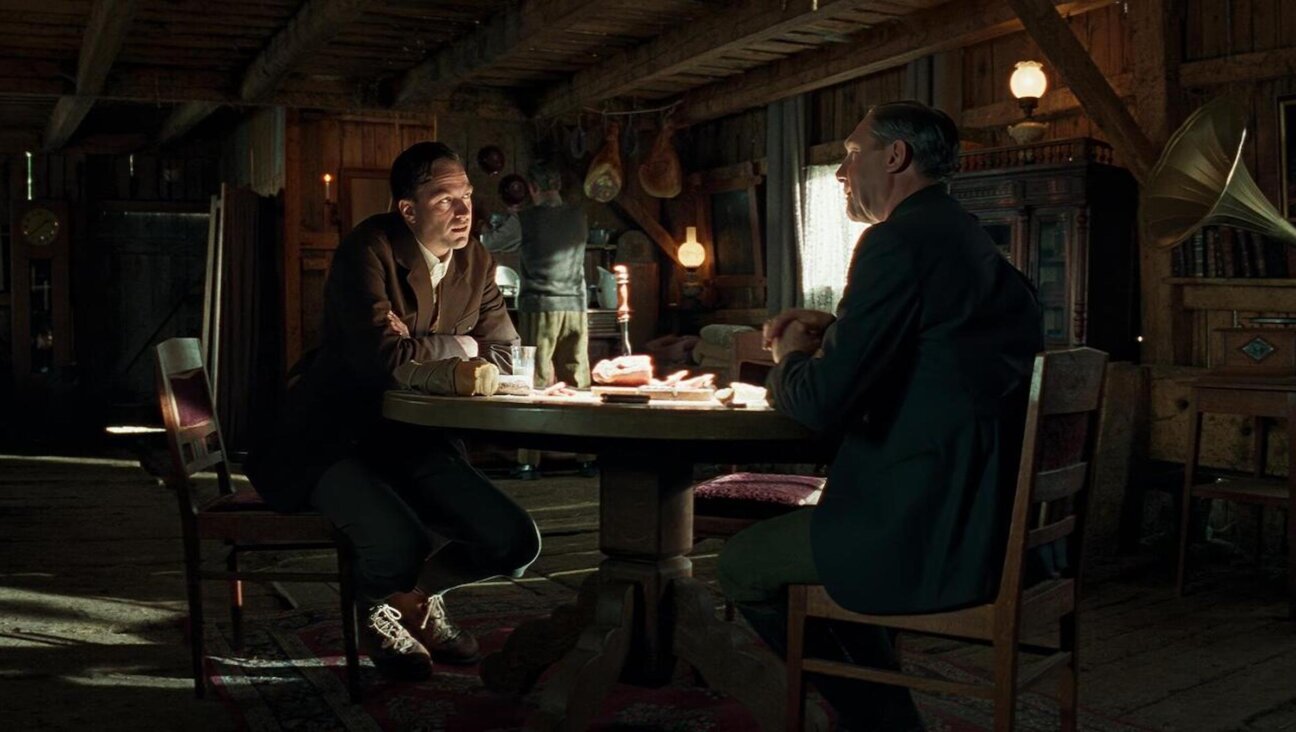
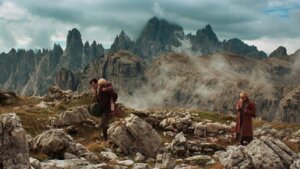
The film opens with a German couple and their young son hiking across the Dolomites; the woman seems anxious, the man much more energetic. They approach a church, where they are greeted suspiciously by the twins who take care of it, until they say the passcode: “Odessa.” They later try the codeword again with an innkeeper — but this time they are sent running as she calls on the village to attack them. It’s a heart-pounding scene as the family the viewer has been so closely tied to runs for their lives from a loud, angry mob.
Interspersed through the scenes of the family’s flight are blurry white and black clips of a hazy figure approaching a camera. Even with the obscured shot, the viewer can make out train tracks and recognize the setting as a concentration camp, a flashback to the world they’re leaving. It feels like your typical Holocaust film, showing the risks Jewish refugees faced at every turn and the way the trauma of the camps haunted them.
At the end of the film’s 20-minute run, however, the shadowy figure finally comes into focus. It’s the husband, but not in the striped clothes of a camp prisoner: He’s wearing an SS uniform and ordering twins to be placed in a separate line. He’s Josef Mengele.
“People take first impressions as character,” Swinkels told me in an interview. “That’s not character. You should look behind that.”
Contemporary politics inspired Swinkels, the founder of the Dutch production company Exosphere, to make the film.
“One of my most conservative friends started arguing that ‘these people’ should be kept in their own region, as he called it, and certainly not taken in by us,” Swinkels said, of debates over Syrian immigrants in the Netherlands. “And then we had this discussion about if you would feel the same about these refugees, if they look like him and me.”
Wanting to make a film about Northwestern Europeans fleeing led Swinkels to think about World War II. After an election in Denmark resulted in a right-wing shift in politics, he also became interested in exposing how charisma can hide someone’s darker nature.
Swinkels had long been interested in Josef Mengele, but when he discovered the Nazi’s duplicitous relationship with the kids in Auschwitz — survivors have testified that Mengele would bring them candy in order to gain their trust — that solidified him as the main character. The film features a quote from a Jewish prisoner forced to work for Mengele, Miklós Nyiszli, stating that the doctor “was capable of being so kind to the children” as he prepared to torture them and send them to their deaths.
“Arendt once called it the banality of evil,” Swinkels said. “But with Mengele, it’s even more dangerous because it’s the charm of evil.”
The bread crumbs leading to the family’s true identity are there for history buffs. Over the course of the film, we slowly learn their names — Josef, Irene, and Reif. “Odessa” was the American name for Nazi’s underground escape networks, although there is no historical consensus that this term was used by the Nazis or was an actual organization.
But the clues are easy enough to miss — by the time the audience learns these details, we have already formed assumptions that the protagonists of the story are likely Jews or members of another group persecuted by the Nazis.
The fact that Mengele had darker features and his wife had fairer ones adds another misleading layer. At one point, the wife abandons the journey and insists that it’ll be safer for the son to stay with her while the husband flees. It seems as though this is because she is Aryan and the husband isn’t. But, as it turns out, it’s because he is a wanted war criminal.
The short film also nods to a few other historical figures. One of the brothers at the church is named Alois, in reference to Alois Hudal, an Austrian Catholic Bishop who was a Nazi sympathizer and aided in the escape of several Nazi leaders, including Adolf Eichmann. He did not have a twin brother in real life, but this detail alludes to Mengele’s fascination with twins.
The inn-keeper who sets the village after the family, Frau Scholl, is named after Sophie Scholl, a member of the White Rose Nazi-resistance group, hinted at by white roses outside of her house in the film. They even shot the film in the Dolomites, the same mountain range Mengele crossed during his escape.
Swinkels noted that details like this can be easy to miss. “But I think you can still feel it, that we put so much detail in the film to make all these kinds of historical references,” he said.
He hopes that the film makes viewers think more carefully about charismatic figures.
“History has taught us that monsters don’t come dressed as monsters,” Swinkels said. “They come as protectors, visionaries, or loving fathers. And by the time we find that truth, it’s most often too late.”
“If a viewer walks out of Odessa and looks a little bit harder at the next person who charms them, and even better at the next person they’re about to vote for, then the film will have fulfilled its purpose.”
The short film Odessa is showing at the Tribeca Film Festival on June 13.
I’m personally matching all gifts to the Forward, up to $36,000. Can I match your gift now?

Hello, fellow Forward reader! I’m Joel Brown, a Forward reader and supporter for more than 15 years, and currently the chair of the board of directors.
I’m an avid Forward reader because it ticks so many of my essential boxes: excellent journalism, Jewish focus and diverse viewpoints. In today’s political climate, what I most appreciate is the Forward’s independence — made possible by the generosity of its membership.
The Forward is committed to bringing you unbiased, nuanced Jewish news. From my position as board chair, I see an exciting future as we expand our position as the definitive independent voice of contemporary American Judaism.
— Joel Brown, Forward board chair
Support our mission to tell the Jewish story fully and fairly.