Germany Expands Pensions for Jews Forced To Work in Nazi Ghettos

Image by getty images
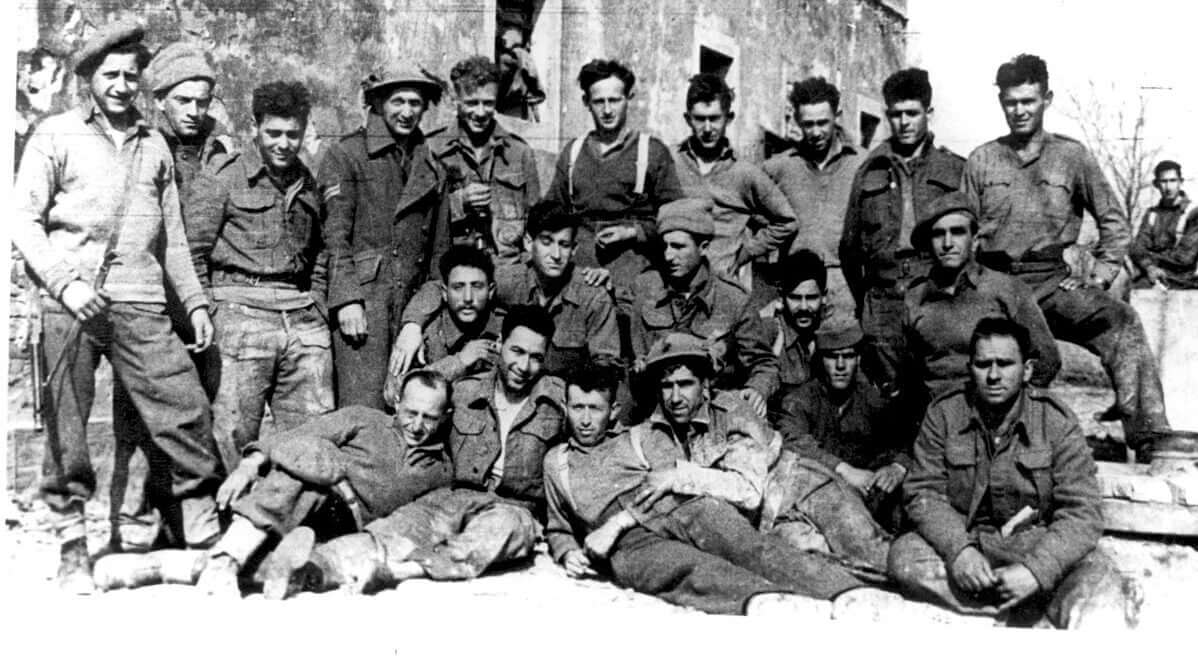
Germany’s Labour Ministry is to bring in new legislation extending the pension rights of thousands of Jews forced to work in Nazi-era ghettos, Spiegel magazine reported on Sunday.
Spiegel said the ministry had presented the proposal to an Israeli delegation visiting Berlin last week, and it would be worth an average of 15,000 euros ($20,400) extra to each of the 130,000 former ghetto workers living in Israel.
Germany first began paying pensions for ghetto workers from 1997. Those who applied later than that year could only claim four years’ worth of back payment. The new legislation would overrule that, and allow all to claim from 1997, Spiegel said.
A spokesman for the Labour Ministry declined to comment on the report but said the new government which took office in December 2013 had pledged to find a solution to the issue as quickly as possible.
“A lot of progress has been made already,” he added.
The Nazis established at least 1,000 ghettos across occupied Europe, enclosing the local Jewish population and forcing them to live in miserable conditions.
Most famous is the Warsaw ghetto where 400,000 Jews were crowded into an area of 1.3 square miles (3.4 sq kms), and which staged an uprising in 1943.
Some of those living in the ghettos were forced to work, and the Nazis appointed Jewish councils and a ghetto police force to enforce their orders.
From around 1941 the ghettos began to be destroyed and their Jewish inhabitants deported to death camps.
I’m personally matching all gifts to the Forward, up to $36,000. Can I match your gift now?

Hello, fellow Forward reader! I’m Joel Brown, a Forward reader and supporter for more than 15 years, and currently the chair of the board of directors.
I’m an avid Forward reader because it ticks so many of my essential boxes: excellent journalism, Jewish focus and diverse viewpoints. In today’s political climate, what I most appreciate is the Forward’s independence — made possible by the generosity of its membership.
The Forward is committed to bringing you unbiased, nuanced Jewish news. From my position as board chair, I see an exciting future as we expand our position as the definitive independent voice of contemporary American Judaism.
— Joel Brown, Forward board chair
Support our mission to tell the Jewish story fully and fairly.