Israeli security cabinet approves ceasefire with Hezbollah, paving way for end of yearlong conflict in Israel’s north
The deal — which would be the longest ceasefire Israel has agreed to since Hamas invaded from Gaza on Oct. 7, 2023, launching the current conflict — signals a new phase in Israel’s multi-front war
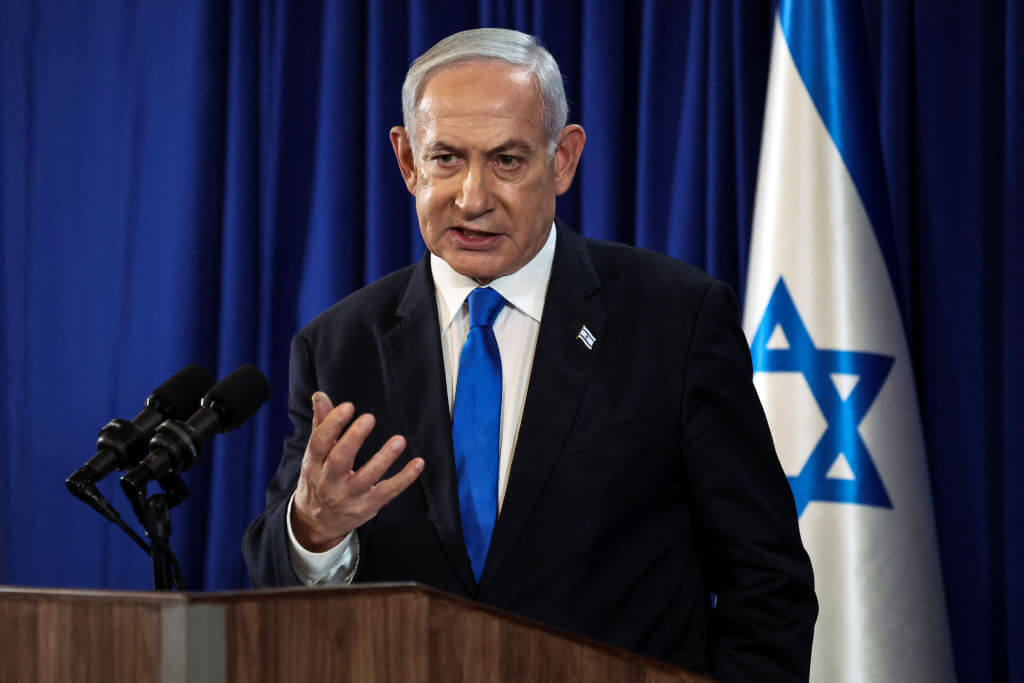
Israeli Prime Minister Benjamin Netanyahu on July 13, 2024. Photo by NIR ELIAS/POOL/AFP via Getty Images

By Ron Kampeas November 26, 2024
(JTA) — Israel’s security cabinet has approved a U.S.-brokered ceasefire proposal with Hezbollah, which would end more than a year of conflict with the terror group on Israel’s border with Lebanon.
Israeli Prime Minister Benjamin Netanyahu suggested that one reason his government agreed to the deal was his expectation that the incoming Donald Trump administration would be more accommodating to Israel. He also said future plans to counter Iran factored into the decision.
On Tuesday evening, Netanyahu said in a televised address that he would recommend that his hardline right-wing cabinet accept the deal, which means it will likely pass over the objections of some far-right politicians in his government. The deal — which would be the longest ceasefire Israel has agreed to since Hamas invaded from Gaza on Oct. 7, 2023, launching the current conflict — signals a new phase in Israel’s multi-front war.
“I am determined to give our courageous soldiers every resource to keep them safe and bring us victory,” Netanyahu said. “Therefore, this evening I will bring a ceasefire outline for the cabinet’s approval.” He added: “If Hezbollah violates the agreement and tries to rearm, we will attack.”
President Joe Biden, in a speech in the White House Rose Garden, was hopeful, calling the deal “courageous,” adding that “it reminds us that peace is possible.”
The deal as reported would reinstitute the 2006 ceasefire that ended that year’s Israel-Hezbollah war, which required Hezbollah to retreat north of the Litani river, which is about 18 miles north of Israel’s border. Hezbollah disregarded much of that agreement, continuing to build up arms south of the river and launching rockets at Israel. Hezbollah began pounding Israel with rockets following the Hamas invasion, prompting clashes that intensified into a full-on Israeli invasion of Lebanon at the end of September.
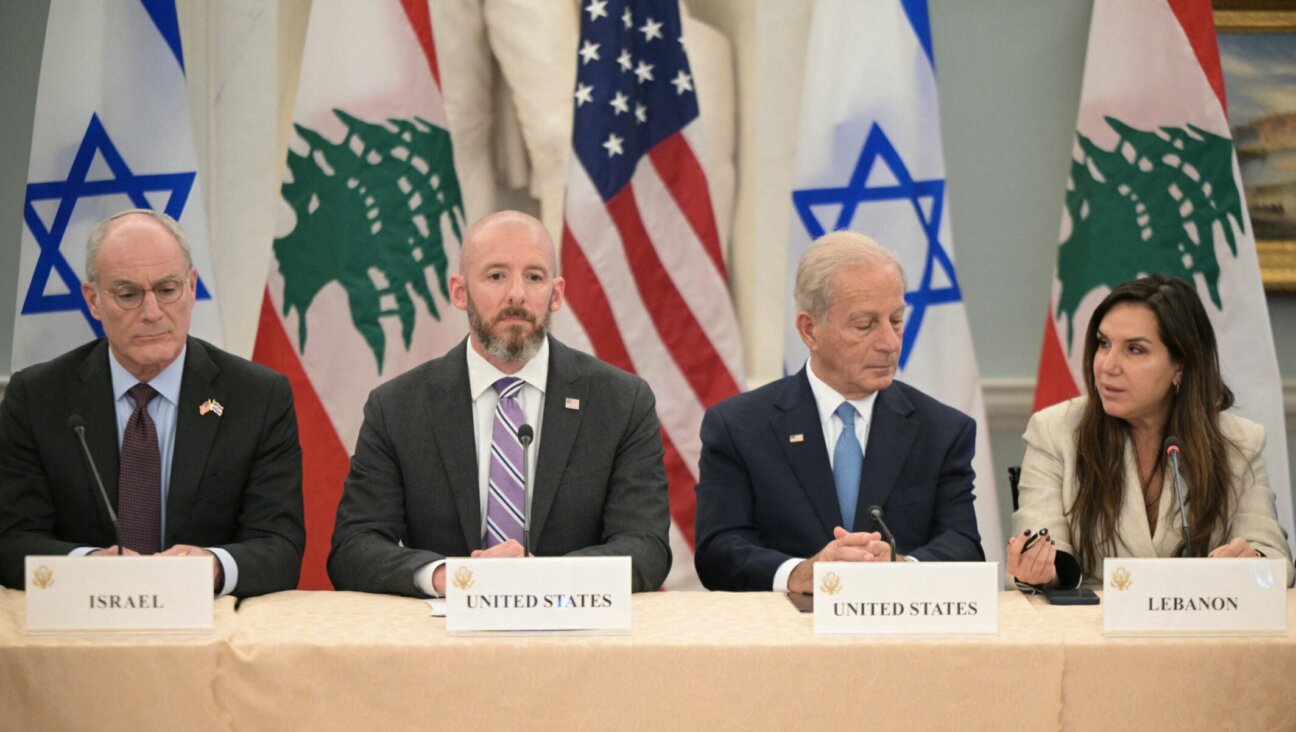
The deal currently would reportedly be policed in part by the Lebanese army. It was brokered by the United States, France and other countries, and does not apply to the ongoing conflict in Gaza. Lebanese and international officials have also signaled optimism about the deal.
“We’re in the final stages of securing a ceasefire agreement for Lebanon,” U.S. Secretary of State Antony Blinken said Tuesday at a meeting of the G7 group of nations. “It will make a big difference in saving lives and livelihoods in Lebanon and Israel. It will make a big difference in creating the conditions that will allow people to return to their homes safely in northern Israel and in southern Lebanon.”
Blinken has been working intensively, and so far without success, to reach a ceasefire deal in Gaza. He said that the deal in Lebanon will demonstrate that Hamas “can’t count on other fronts opening up in the war,” which could dampen its will to fight on.
In his own address, Netanyahu began by listing what he said were Israeli successes in what he described as a seven-front war, in which Israel is fighting in Gaza, Lebanon and the West Bank as well as directly with Iran and its proxies. Among the achievements he claimed were the decimation of Hezbollah’s forces and the elimination of much of its leadership. He vowed that the tens of thousands of Israelis evacuated from the Lebanon border would be able to return to their homes.
Then he listed the three reasons for agreeing to the ceasefire in Lebanon.
“The first reason is to focus on the Iranian threat, and I will not expand on that,” he said. Then he implied that Trump’s return to office could change the outlook for Israel’s military.
“The second reason is to give our forces a breather and replenish stocks,” Netanyahu said. “And I say it openly, it is no secret that there have been big delays in weapons and munitions deliveries. These delays will be resolved soon. We will receive supplies of advanced weaponry that will keep our soldiers safe and give us more strike force to complete our mission.”
Netanyahu in June said the U.S. government was slow-rolling weapons deliveries. Biden administration officials have adamantly denied any delay, beyond one on 2,000-pound bombs President Joe Biden did not want to deliver for the war in Gaza, because he said they were inappropriate for use in areas where civilians were concentrated.
The Biden administration has sent reinforcements to the area whenever Iran has threatened retaliation in what has been an escalating series of attacks and counterattacks. The latest round came on Oct. 26, when Israel, heeding Biden, limited retaliatory strikes to military targets and avoided hitting oil extraction and nuclear sites. Trump, campaigning at the time for the presidency, said Biden should have greenlighted attacks on nuclear sites, although he did not say he would assist Israel in carrying out such attacks.
Netanyahu’s third reason, similar to what Blinken said, was to isolate Hamas. “With Hezbollah out of the picture, Hamas is left on its own,” he said. “We will increase our pressure on Hamas and that will help us in our sacred mission of releasing our hostages.”
Netanyahu did not say what the ceasefire would compromise, except to claim that it would not stop Israel from reentering Lebanon should Hezbollah violate its terms — and that would include not just the movement of forces across the Litani River, but simply the act of rearming.
I’m personally matching all gifts to the Forward, up to $36,000. Can I match your gift now?

Hello, fellow Forward reader! I’m Joel Brown, a Forward reader and supporter for more than 15 years, and currently the chair of the board of directors.
I’m an avid Forward reader because it ticks so many of my essential boxes: excellent journalism, Jewish focus and diverse viewpoints. In today’s political climate, what I most appreciate is the Forward’s independence — made possible by the generosity of its membership.
The Forward is committed to bringing you unbiased, nuanced Jewish news. From my position as board chair, I see an exciting future as we expand our position as the definitive independent voice of contemporary American Judaism.
— Joel Brown, Forward board chair
Support our mission to tell the Jewish story fully and fairly.