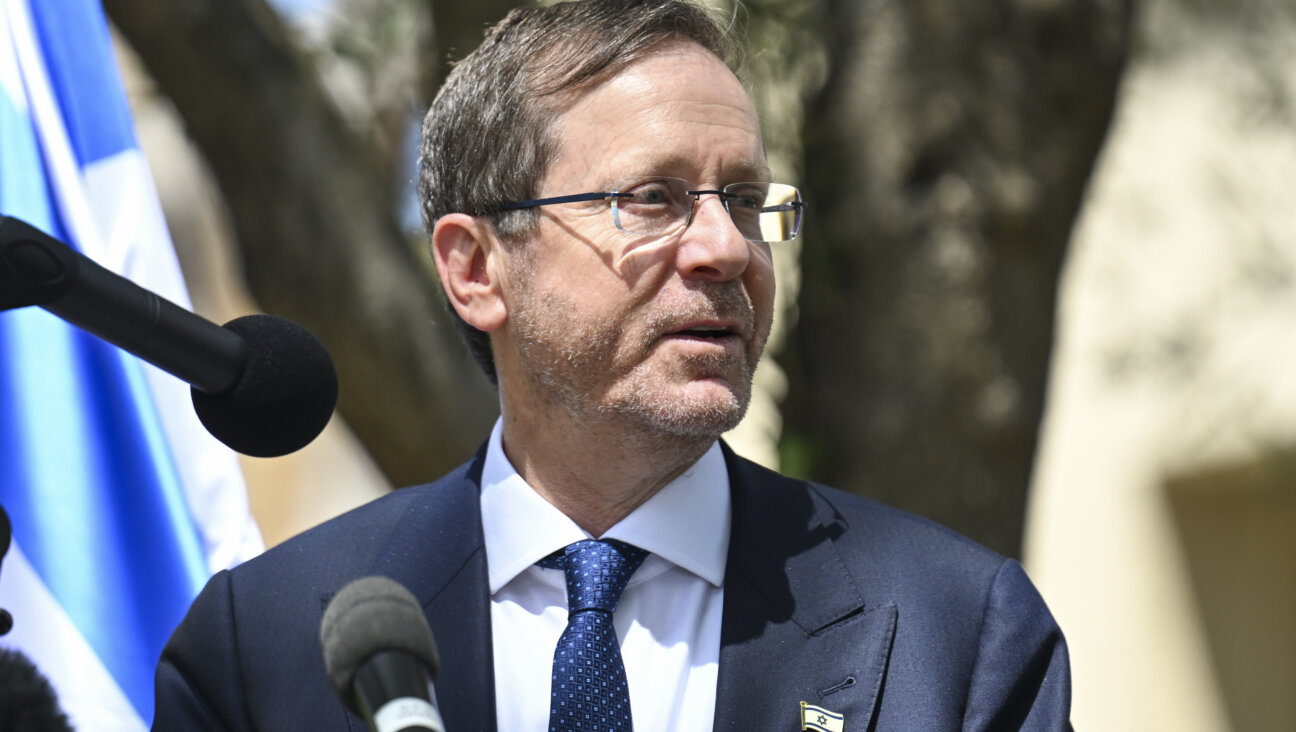
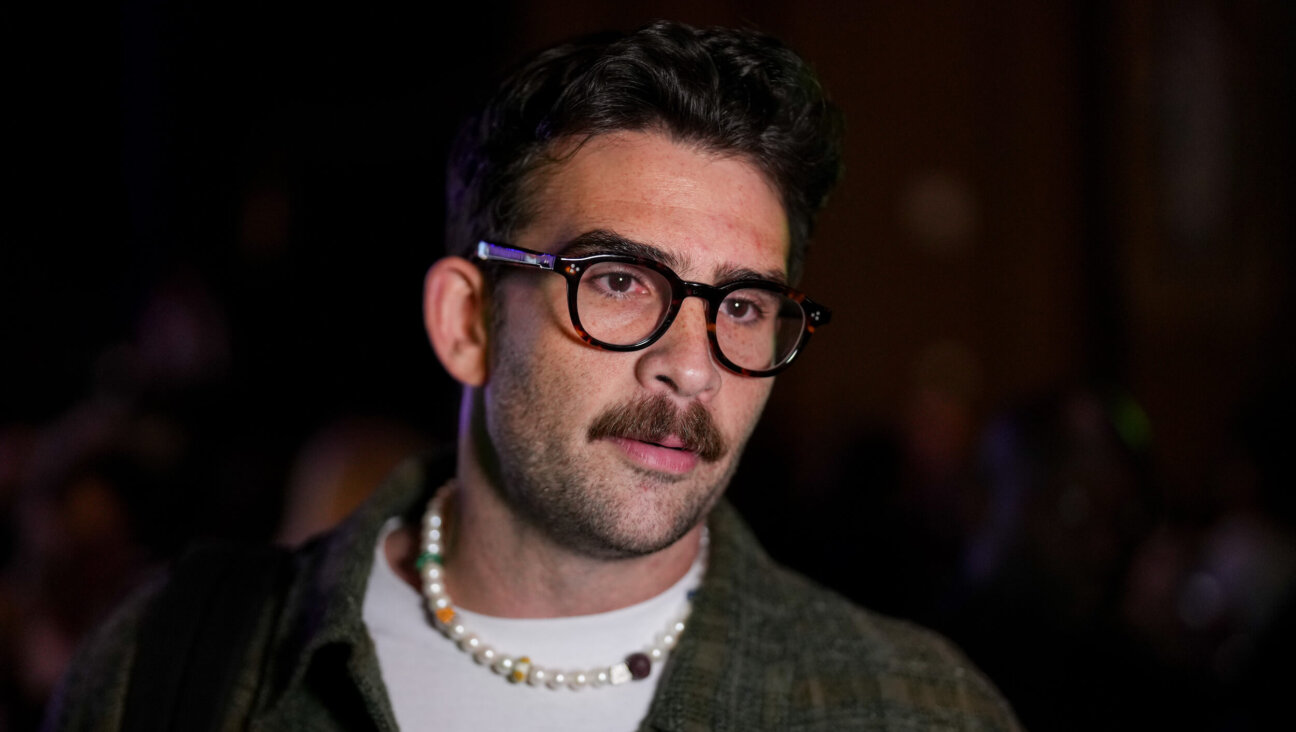
Peter Beinart
Graphic by Angelie Zaslavsky
With one article in 2010, Peter Beinart, 41, a former editor of The New Republic, turned himself into a leader of those American Jews who had grown disaffected with Israel. The article was followed this year with a book, “The Crisis of Zionism,” and a blog, Open Zion, which cemented his role as one of the most controversial figures in the Jewish community.
For those inclined to his views, Beinart’s book made a brave argument that the Israeli government, in its treatment of the Palestinians, was quickly losing the support of the traditionally liberal American Jewish community. But there were plenty of people — including some on the left — who thought Beinart was presenting too simplistic a view of the conflict, one that made Israel the only guilty party. His critics were particularly disturbed by his public call for a boycott of products from West Bank settlements.
Beinart took his case on the road, debating conservatives like Daniel Gordis and Alan Dershowitz. He maintained in these debates that he had a deep love of Israel — passed on to him by his parents, South African Jewish immigrants — and that his criticism comes from this love. The fact that Beinart himself attends an Orthodox synagogue and sends his two children to a Jewish day school made it harder for his critics to simply dismiss him as a knee-jerk hater of Israel. In some ways this was Beinart’s greatest asset. It allowed him to bring the argument over Israel’s policies inside the Jewish tent.
"Why I became the Forward’s Editor-in-Chief"
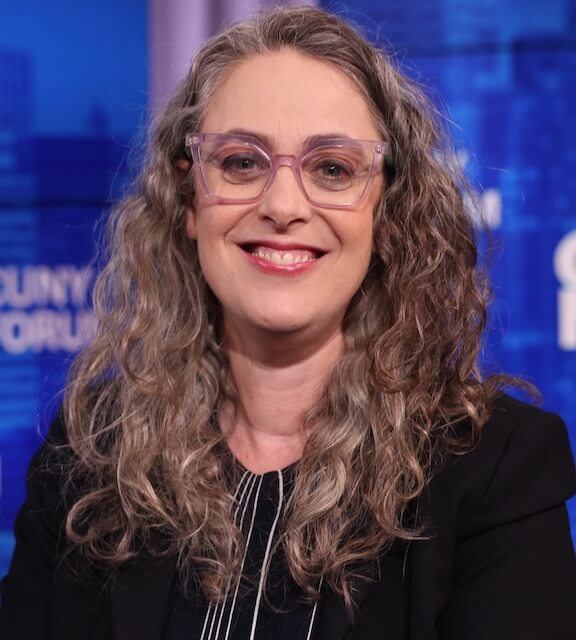
You are surely a friend of the Forward if you’re reading this. And so it’s with excitement and awe — of all that the Forward is, was, and will be — that I introduce myself to you as the Forward’s newest editor-in-chief.
And what a time to step into the leadership of this storied Jewish institution! For 129 years, the Forward has shaped and told the American Jewish story. I’m stepping in at an intense time for Jews the world over. We urgently need the Forward’s courageous, unflinching journalism — not only as a source of reliable information, but to provide inspiration, healing and hope.
Support our mission to tell the Jewish story fully and fairly.