As Supreme Court dilutes Voting Rights Act, Tennessee’s first Jewish congressman could lose his seat
Rep. Steve Cohen is the first Jew to represent Tennessee in Congress
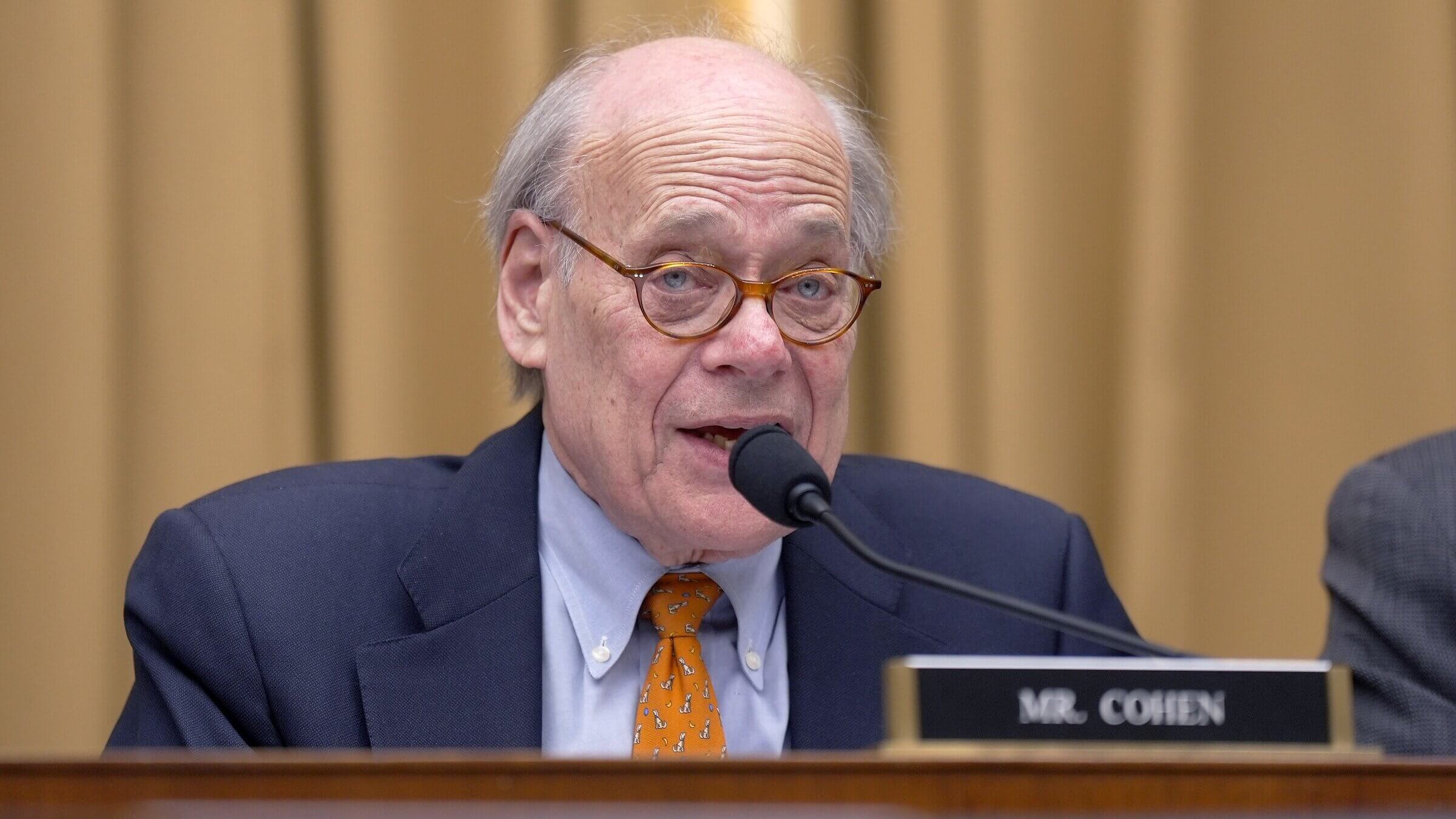
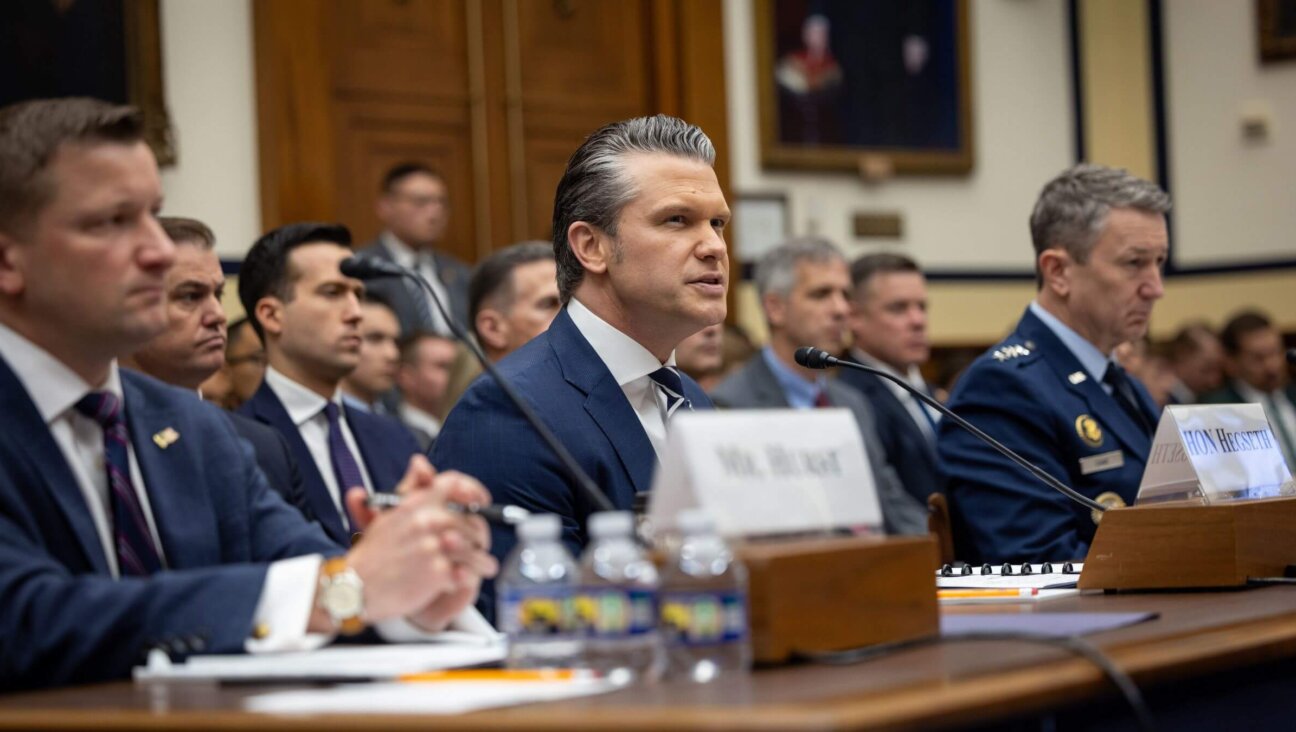
Rep. Steve Cohen (D-TN) questions Special Counsel Jack Smith as he testifies during a hearing before the House Judiciary Committee in January. Photo by Al Drago/Getty Images

By Hannah Feuer April 30, 2026
The first Jew elected to represent Tennessee in Congress could lose his seat to redistricting following a Wednesday Supreme Court decision that weakened the Voting Rights Act by limiting states’ ability to take race into account when drawing voting maps.
Rep. Steve Cohen, a progressive Democrat elected in 2006, represents a majority-Black district that includes parts of Memphis. He is the only Democrat among Tennessee’s nine members of the House.
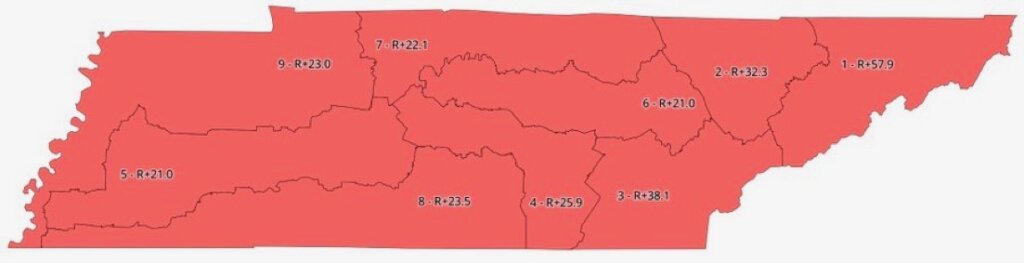
Sen. Marsha Blackburn, a Republican running for Tennessee governor, called on the legislature to redistrict “immediately” following the Supreme Court decision, posting to X an all-red map of Tennessee that would split up Cohen’s district, effectively eliminating his seat.
President Trump also expressed support for the redistricting. He posted to Truth Social on Wednesday that he had spoken with Tennessee Gov. Bill Lee, who promised “that he would work hard to correct the unconstitutional flaw in the Congressional Maps of the Great State of Tennessee,” which “should give us one extra seat, and help Save our Country from the Radical Left Democrats.”
Cohen, 76, had been set to face Justin Pearson, 31 — a challenger positioned to Cohen’s left on Israel — in the August Democratic primary. Cohen has historically been backed by J Street, the left-leaning political advocacy group that supports a two-state solution and describes itself as “pro-Israel” and “pro-peace.”
But if district lines are redrawn before the midterms, as Blackburn has proposed, neither candidate would likely be competitive.
In a statement, Cohen said he had been “expecting this decision” but was “disappointed that the Court has diluted the Voting Rights Act which guaranteed minority voters the right to elect the representative of their choosing.”
Cohen’s Jewish identity
This would not be Cohen’s first brush with redistricting. In 2012, Tennessee’s voting borders were redrawn in such a way that Cohen was cut off from representing many of his Jewish constituents — including the area where his own synagogue is located in Memphis.
“When I get asked how many Jews are in your district, I used to say 10,000,” Cohen told the Jewish Telegraphic Agency in 2018. “Now I say, ‘well, there’s Laurie, Jeff, Malcolm …”
Despite the redrawn lines, Cohen has consistently been re-elected since 2006, even as his campaigns have been marked by attacks on his Jewish identity; a flyer distributed in 2008 read “Cohen and the Jews hate Jesus.”
That same year, an attack ad seemed to insinuate that Cohen was a member of the Ku Klux Klan. “This guy would have never invited me to his Seder,” Cohen told the Forward at the time, responding to what he called the “ludicrous” suggestion that he had an affinity for Klansmen.
In 2016, Cohen took a very-Jewish jab at Donald Trump’s pick to be Israel ambassador, David Friedman, with a Fiddler on the Roof reference: “You’re no Tevye the milkman.” His wry sense of humor was most recently on display during a cameo on the show The Rehearsal, with Jewish comedian Nathan Fielder.
Cohen has worked across partisan divides with Tennessee’s only other Jewish representative, Republican David Kustoff, elected in 2017, a decade after Cohen became Tennessee’s first Jewish representative. The two share a rabbi, Micah Greenstein of the Reform Temple Israel in Memphis.
If Tennessee’s legislature moves forward with a special session to redraw the maps, Cohen has vowed to fight back.
“This ruling effectively undoes the work of Martin Luther King and John Lewis. Changes to the Voting Rights Act should be made by Congress,” Cohen said in a statement. “If the General Assembly is called back into a special session and seeks to do Trump’s bidding, I will exercise every option, legal and political, to prevent the harm this decision today makes possible.”
I’m personally matching all gifts to the Forward, up to $36,000. Can I match your gift now?

Hello, fellow Forward reader! I’m Joel Brown, a Forward reader and supporter for more than 15 years, and currently the chair of the board of directors.
I’m an avid Forward reader because it ticks so many of my essential boxes: excellent journalism, Jewish focus and diverse viewpoints. In today’s political climate, what I most appreciate is the Forward’s independence — made possible by the generosity of its membership.
The Forward is committed to bringing you unbiased, nuanced Jewish news. From my position as board chair, I see an exciting future as we expand our position as the definitive independent voice of contemporary American Judaism.
— Joel Brown, Forward board chair
Support our mission to tell the Jewish story fully and fairly.