Marking Israel’s most joyous day with anguish over the country’s future
As Israeli Independence Day arrives, a sense of unity is hard to find
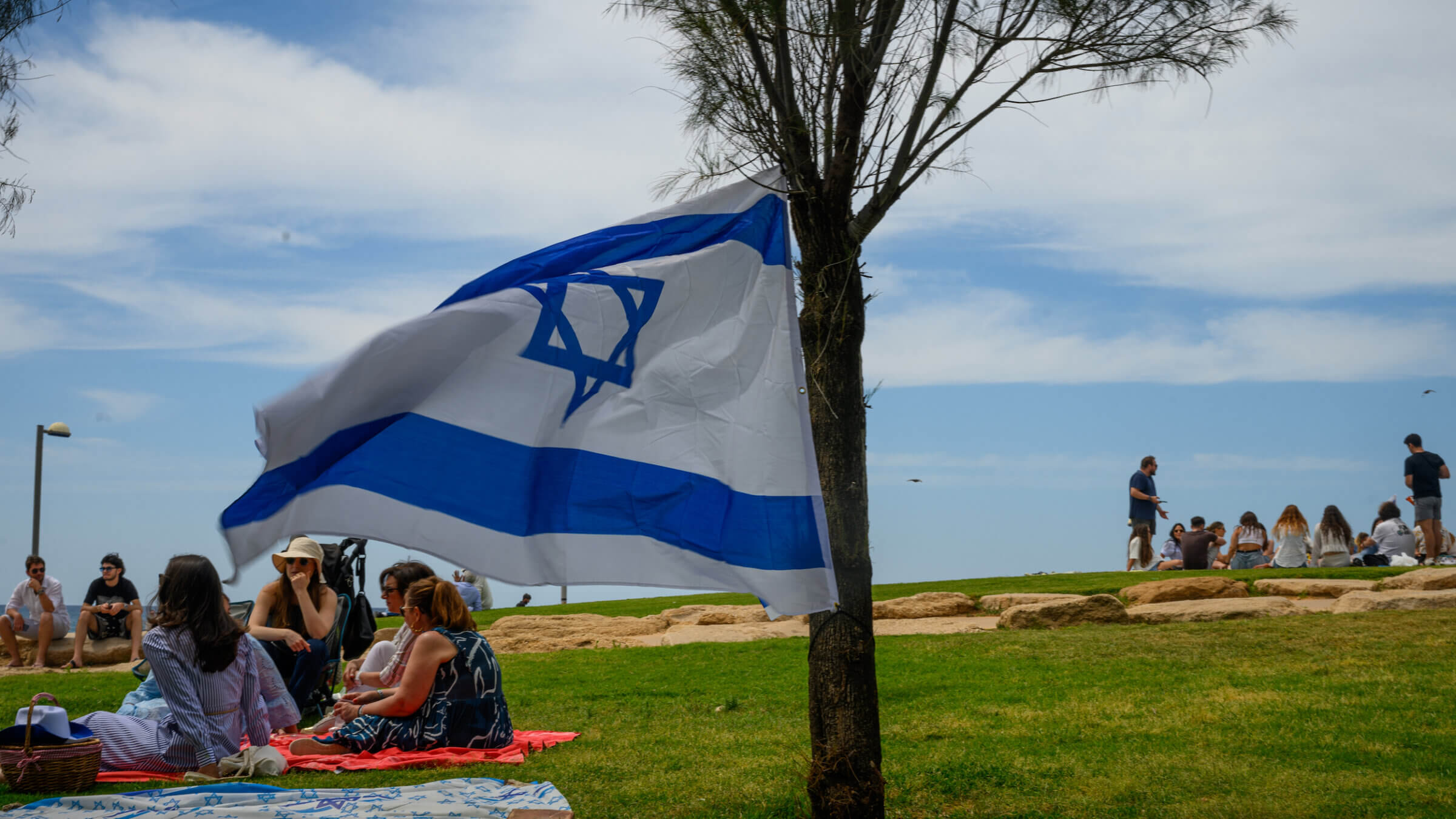
People in Tel Aviv celebrating Yom Ha’atzmaut, or Israeli Independence Day, on May 1, 2025. Photo by Alexi J. Rosenfeld/Getty Images

Columnist Dan Perry April 21, 2026
As Israelis mark their 78th Independence Day, with Yom Ha’atzmaut beginning Tuesday evening, they face an imminent choice that cuts deeper than any single policy debate. The election that must be held by October will not be only about Iran, Hezbollah or the Palestinians — even though these issues are certainly huge. Instead, the heart of the matter is whether Israel is to remain a modern, civic state grounded in equal obligation — or whether it will slide toward a theocratic and hierarchical order in which religious authority shapes public life and the burdens of citizenship are no longer equitably shared.
Israel is by any measure a remarkable success. A small country under constant threat, it has built a dynamic economy, a powerful military, and a vibrant — if increasingly strained — democracy. Despite the past years’ wars, the per capita GDP, driven by a strong shekel, has roared past $60,000 a year, far higher than that of Germany, France or the United Kingdom.
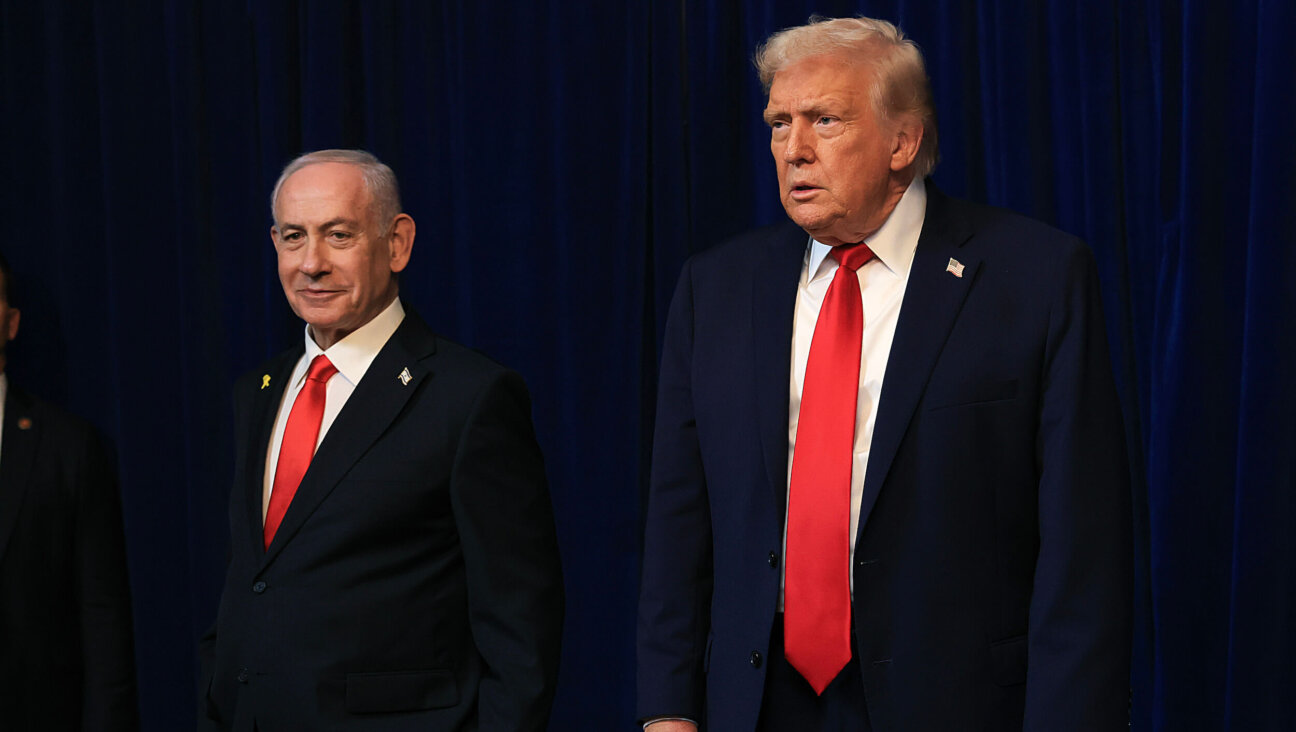
But success can obscure underlying fractures. The wars that followed the catastrophe of Hamas’ Oct. 7, 2023 attack have upended and destroyed lives, and the burdens are not shared equally. At the same time, Prime Minister Benjamin Netanyahu’s assault on the judiciary and democratic institutions have created a devastating chasm between his remaining supporters and highly energized opponents.
But the thing that most animates opponents of the government — and every poll shows them in the majority — may be the special privileges accorded to Netanyahu’s Haredi partners, chief among them the continued draft exemption for tens of thousands of Haredi youth.
Anger over this imbalance has skyrocketed amid these years of war, which have left the Israel Defense Forces stretched perilously thin, with some Israelis serving reserve duty for more than half the year.
Three recent incidents have thrown the existential angst of this discrepancy into harsh relief.
Last week, four IDF servicewomen lit a barbecue on base on a Friday night after sundown. Within days, they were sentenced to two weeks in military prison, a sentence eventually reduced after public outcry.
Their infraction was framed not simply as a breach of discipline, but as “harming religion and Judaism.” It was Shabbat, and the act had offended the increasingly demanding religious guardians scattered throughout the military.
Around the same time, several young women finishing two years of IDF service were fined and brought before disciplinary proceedings for “immodest dress” on the very day of their discharge. Their transgression: wearing jeans and sleeveless tops as they celebrated their release, a tradition with considerable mileage for both genders. The military later acknowledged that the handling of the case deviated from its own regulations — but still docked a third of the women’s salaries.
And during the Jerusalem Marathon, held in heavy heat, male soldiers were permitted to run in shorts, while female soldiers were required to run in long pants, in line with modesty concessions that appear to have been meant to assuage city officials, many of whom are religious. The military at first issued untruthful denials, then promised an investigation. Avigdor Liberman, a leading opposition figure, condemned the order, saying that “anyone who thinks that a female soldier wearing shorts is a problem — is himself the problem.”
Sure, these are small stories. None, on their own, would define a country. But together, they tell a larger story that has become, in a national sense, the talk of the town.
It’s no coincidence that all feature women soldiers. These incidents are, in particular, an affront to a defining old story of modern Israel in which young sabra women were a point of pride. The fact that women served equally in the military, sometimes even in combat roles, set Israel clearly apart from its far less progressive Middle Eastern environs.
Now, increasingly, politicians from the religious right are starting to question whether women should serve at all — not out of any leniency, but out of a hyper-conservative notion of segregation of the genders under a religious patriarchy. It’s not exactly that Israel as a whole is moving in this direction — it is rather that the religious sector has grown brazen during the long years of Netanyahu’s coddling, especially since 2009.
All Israelis understand this. Many are scandalized. Most, I believe, are worried and unhappy. A growing minority, to be sure, is pleased. Most alarmingly, the fault lines on the issues of women’s service also align with people’s positions on the “bigger” issues. When women are increasingly subjected to one kind of double standard, and the Haredim benefit from another, questions of what kind of country Israelis are fighting for become harder to answer.
A sense that the Netanyahu government is committed to elevating the priorities of Haredim and ultranationalist but non-Haredi religious politicians has fueled anguish over this question. Many mainstream Israelis are starting to feel that the increasing effects of right-wing religious policies are making their lives impossible.
This issue — visceral though it is — is only the tip of the iceberg. A profound demographic crisis surrounding the Haredi population threatens Israel’s future. The Haredi birthrate currently comes to almost seven children per family, and the community — currently at a sixth of the population — is a serious economic drain, living on significant subsidies. As it continues to grow, the economic demands on non-Haredi Israelis of sustaining a community that does not contribute to communal defense and is seen as making exorbitant demands while contributing little will threaten the country’s continuation.
If the next government is a centrist-liberal one, it will have its hands full turning back the clock to a time when Israelis felt they could work toward a shared vision of their country’s future. Chief among the problems it will face is resolving this tension — a task that Netanyahu’s coddling of the Haredim has only made more difficult. On previous Independence Days, the atmosphere has been one of joy and hope. Not so now. Restoring optimism and unity to the country is not an impossible task, but it is one that will take laser focus and ferocious determination.
Did you know that only 2% of Forward readers donate to support our nonprofit newsroom? That 2% make it possible for millions to read the Forward without a paywall or subscription — removing any barriers to the full and fair Jewish story.
But while the Forward is free to read, it isn’t free to produce. Big stories — like deep dives into the antisemitism data, political scoops or reporting trips to college campuses — take months of research and fact-checking. All while we keep you informed of what you need to know each day.
— Rachel Fishman Feddersen, Forward Publisher & CEO
Support our mission to tell the Jewish story fully and fairly.