A Yiddish favorite is among the top baby names in New York
Among children aged 5 and under, Yiddish now ranks as the third most common home language in New York state
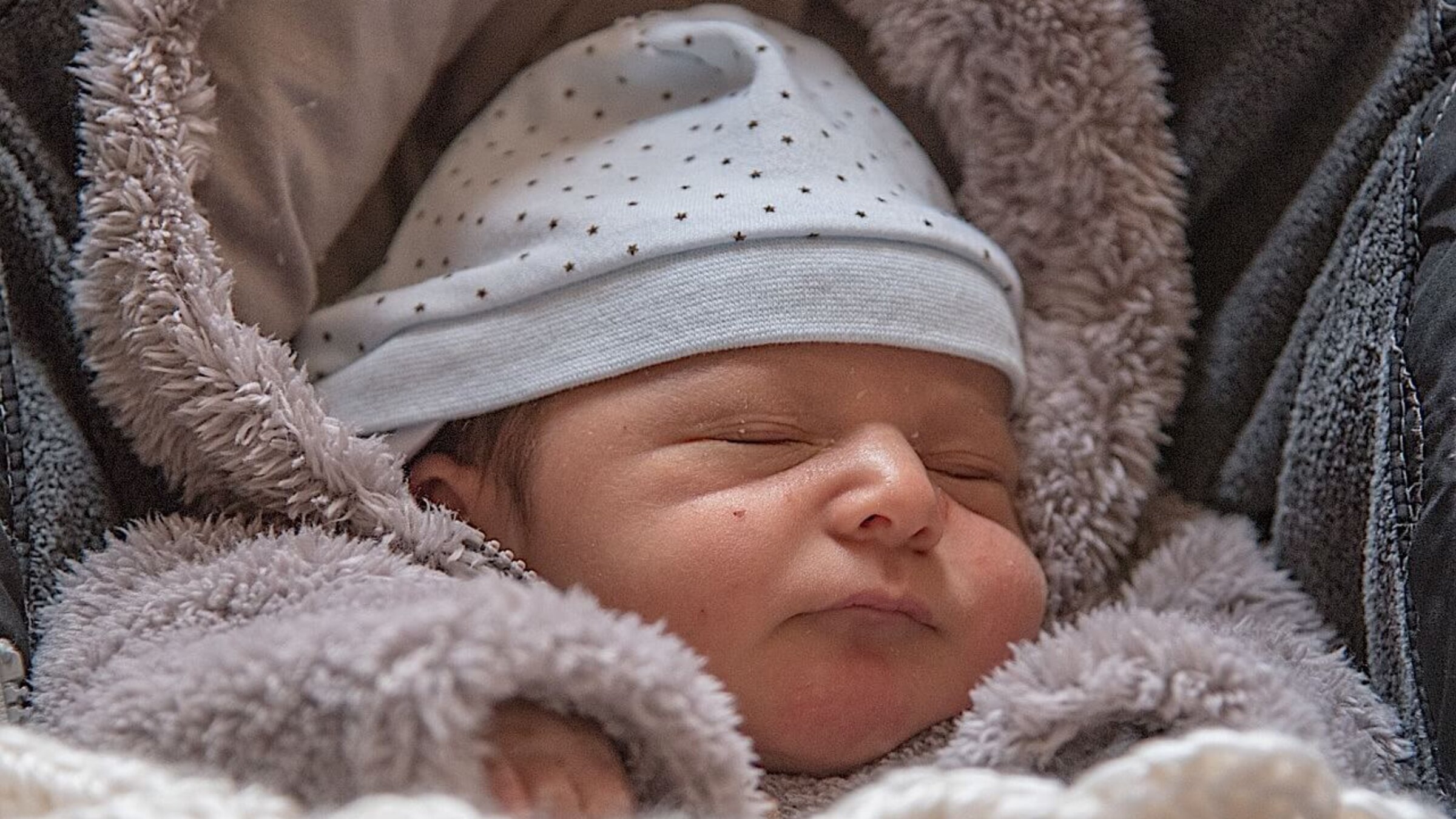
Photo by needpix.com
By Rukhl Schaechter June 4, 2026
Each year around this time, the Social Security Administration releases a list of the most popular baby names for the past year. This year, New York state’s list includes the Yiddish name Gitty, as well as five other traditional Ashkenazi names: Chana, Chaya, Rivka, Chaim and Moshe.
According to this interactive list in the Times Union, 43 of every million babies in the U.S. were given the name Gitty in the past six years.
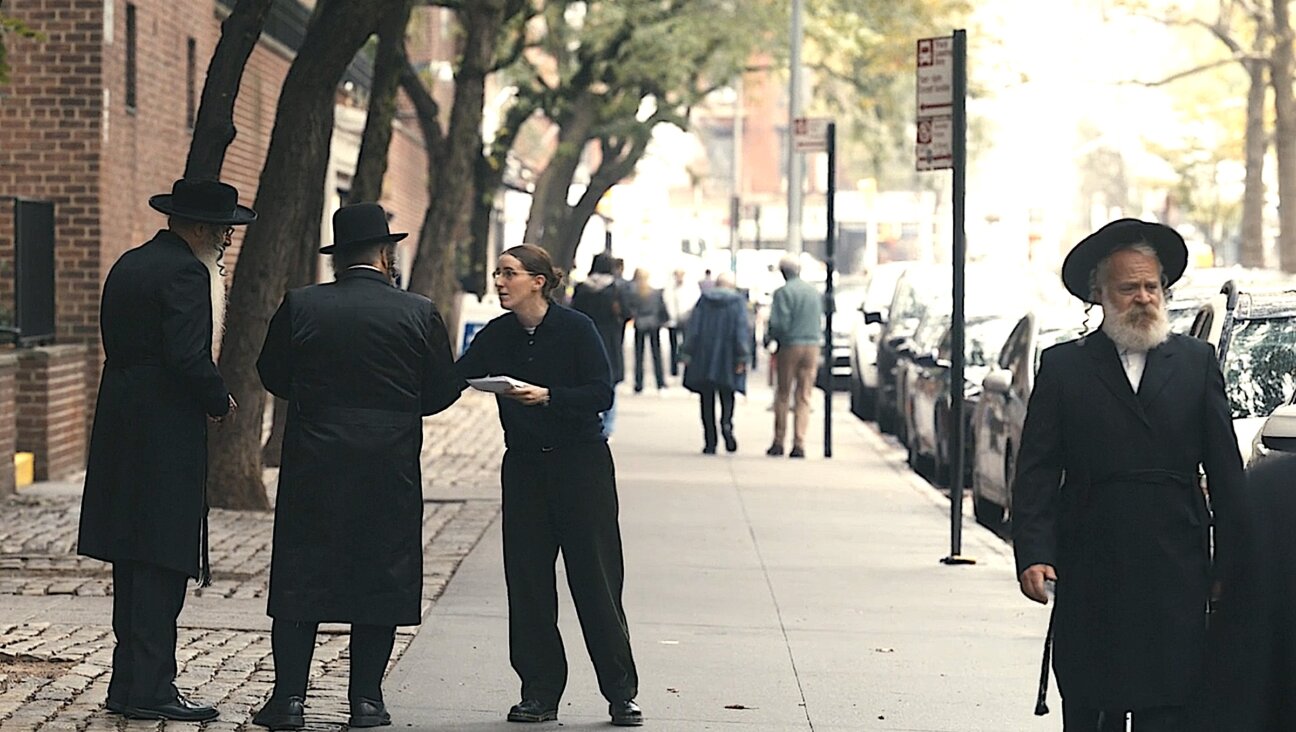
The vast majority of these babies were apparently born in either Yiddish-speaking Hasidic families or in non-Yiddish speaking Haredi families (often referred to as “Yeshivish”) who maintain the tradition of giving their children Biblical and other traditional Jewish names, often after a deceased relative.
Although some people may be surprised to hear a Yiddish name like Gitty making the list, it lines up with the most recent statistics on language use. According to this study, in households with children aged 5 and under, Yiddish ranks as the third most common home language in New York (spoken by roughly 3% of young children), trailing only English and Spanish.
It also makes sense in light of the most recent demographic breakdown of Jewish families in the New York area. According to this 2023 UJA study, Orthodox families represent about 19% of Jewish households (approx. 430,000 individuals, including children) — a group that’s growing rapidly due to higher birth rates and younger average ages, with about two-thirds identifying as Haredi (ultra-Orthodox) and the rest as Modern Orthodox.
The name Gitty is a variant of the name Gitl, which means “good” in Yiddish. Why then are these babies called Gitty instead of Gitl? This is part of a trend that began years ago, when Haredi children’s names adopted a “y” at the end, apparently mimicking the old American tradition of ending children’s names with a “y” (think Tommy instead of Thomas). As a result, Rivka became Rivky; Moshe (or Moishe) became Moishy and Gitl became Gitty.
Did you know that only 2% of Forward readers donate to support our nonprofit newsroom? That 2% make it possible for millions to read the Forward without a paywall or subscription — removing any barriers to the full and fair Jewish story.
But while the Forward is free to read, it isn’t free to produce. Big stories — like deep dives into the antisemitism data, political scoops or reporting trips to college campuses — take months of research and fact-checking. All while we keep you informed of what you need to know each day.
— Rachel Fishman Feddersen, Forward Publisher & CEO
Support our mission to tell the Jewish story fully and fairly.