VIDEO: This moving film about seven young Yiddish scholars may surprise you
In ‘The Secrets of Yiddish Poetry,’ director Nurith Aviv explores the role that Yiddish plays in their work and lives
Courtesy of Nurith Aviv
By Forverts Staff July 11, 2024
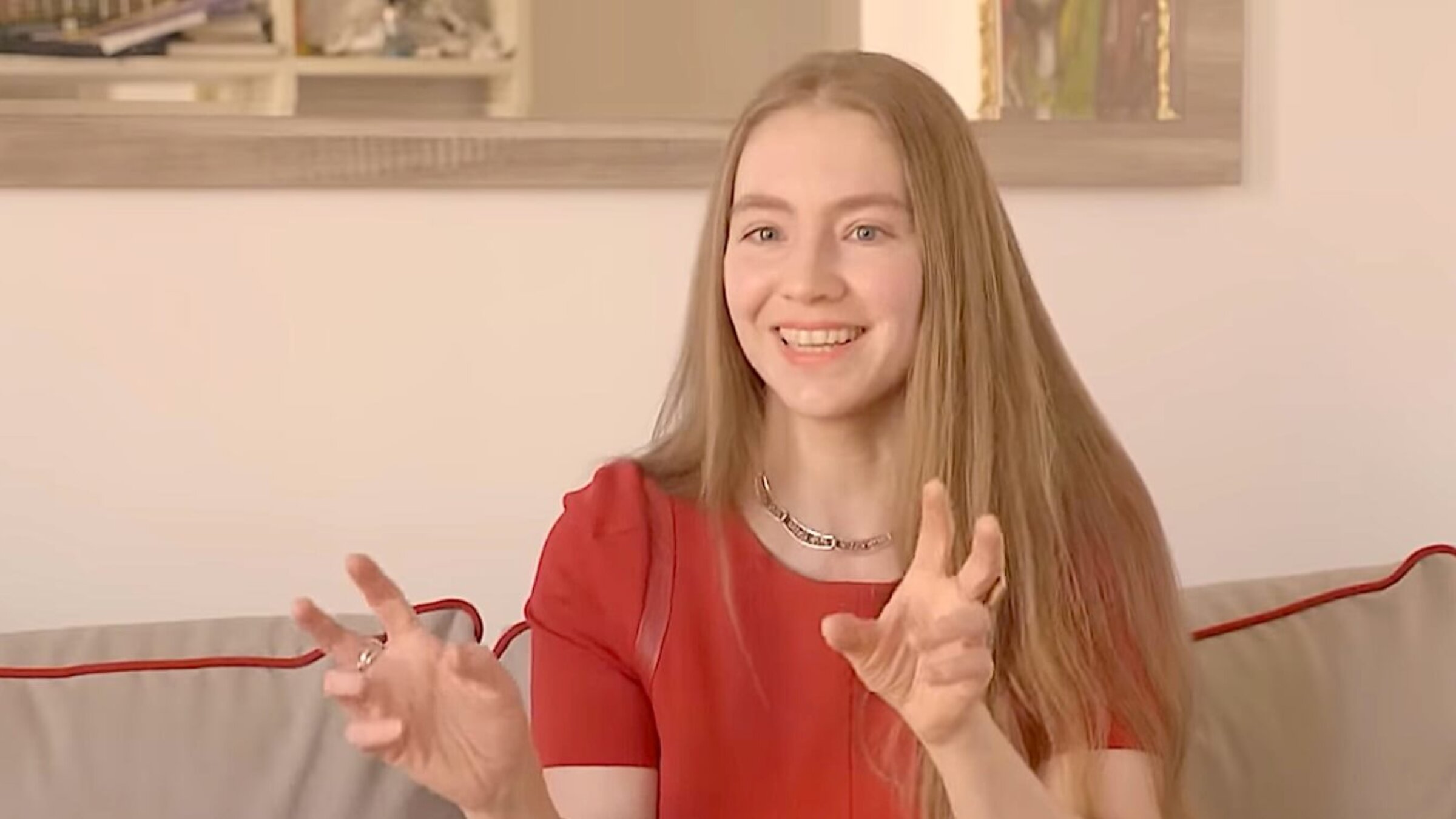
A remarkable documentary about the passion of seven young people for the Yiddish language, and in particular for Yiddish poetry, was posted on YouTube this week.
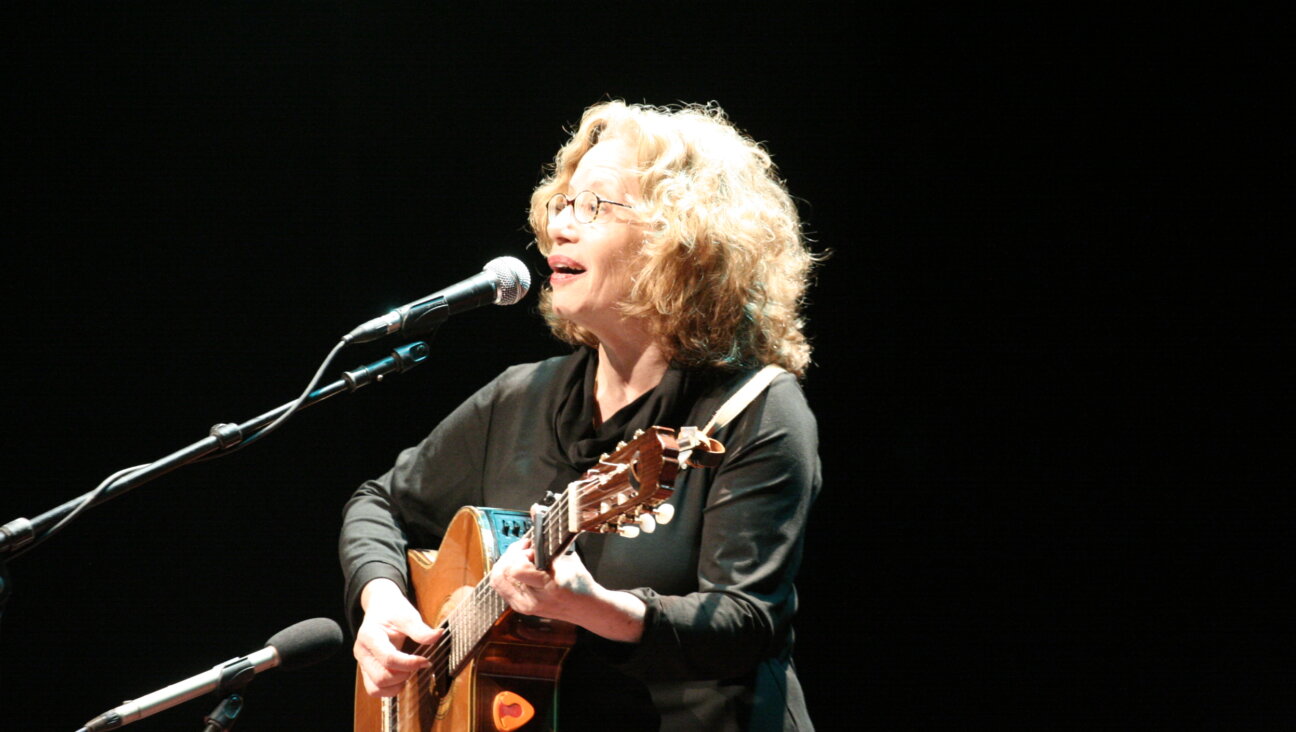
In the film, The Secrets of Yiddish Poetry, French director Nurith Aviv, who was born in Tel Aviv, gives viewers a chance to hear these students and scholars — both Jews and non-Jews — describe how Yiddish inspires them in their work and in their lives.
Each of them shares their connection to a particular poet they love from the years between the two world wars, and some recite a favorite excerpt of their work. Among the poets discussed are Celia Dropkin, Moyshe-Leyb Halperin, Anna Margolin and Abraham Sutzkever. The interwar period was an exceptional era for the Jews of Eastern Europe, one which saw a deep flowering of Yiddish culture and creativity, including modernist, avant-garde poetry.
Aviv makes the point that the poets of that period were polyglots, often moving from one country to another. “The protagonists of my film also move between countries and languages,” she writes in her description of the film.
Filmed in France, Germany, Israel, Lithuania and Poland and released in 2020, The Secrets of Yiddish Poetry is itself multi-lingual, including conversations in French, Hebrew, Yiddish and English. The entire film is accompanied by English subtitles.
It’s our birthday and we’re still celebrating!
We hope you appreciated this article. Before you go, we’d like to ask you to please support the Forward’s independent Jewish news.
This week we celebrate 129 years of the Forward. We’re proud of our origins as a Yiddish print publication serving Jewish immigrants. And we’re just as proud of what we’ve become today: A trusted source of Jewish news and opinion, available digitally to anyone in the world without paywalls or subscriptions.
We’ve helped five generations of American Jews make sense of the news and the world around them — and we aren’t slowing down any time soon.
As a nonprofit newsroom, reader donations make it possible for us to do this work. Support independent, agenda-free Jewish journalism and our board will match your gift in honor of our birthday!
Support our mission to tell the Jewish story fully and fairly.