When the 92nd Street Y was a hub for Black innovation in dance
Rennie McDougall’s ‘Nonstop Bodies’ recalls a time when the Jewish institution was a mecca for experimentation
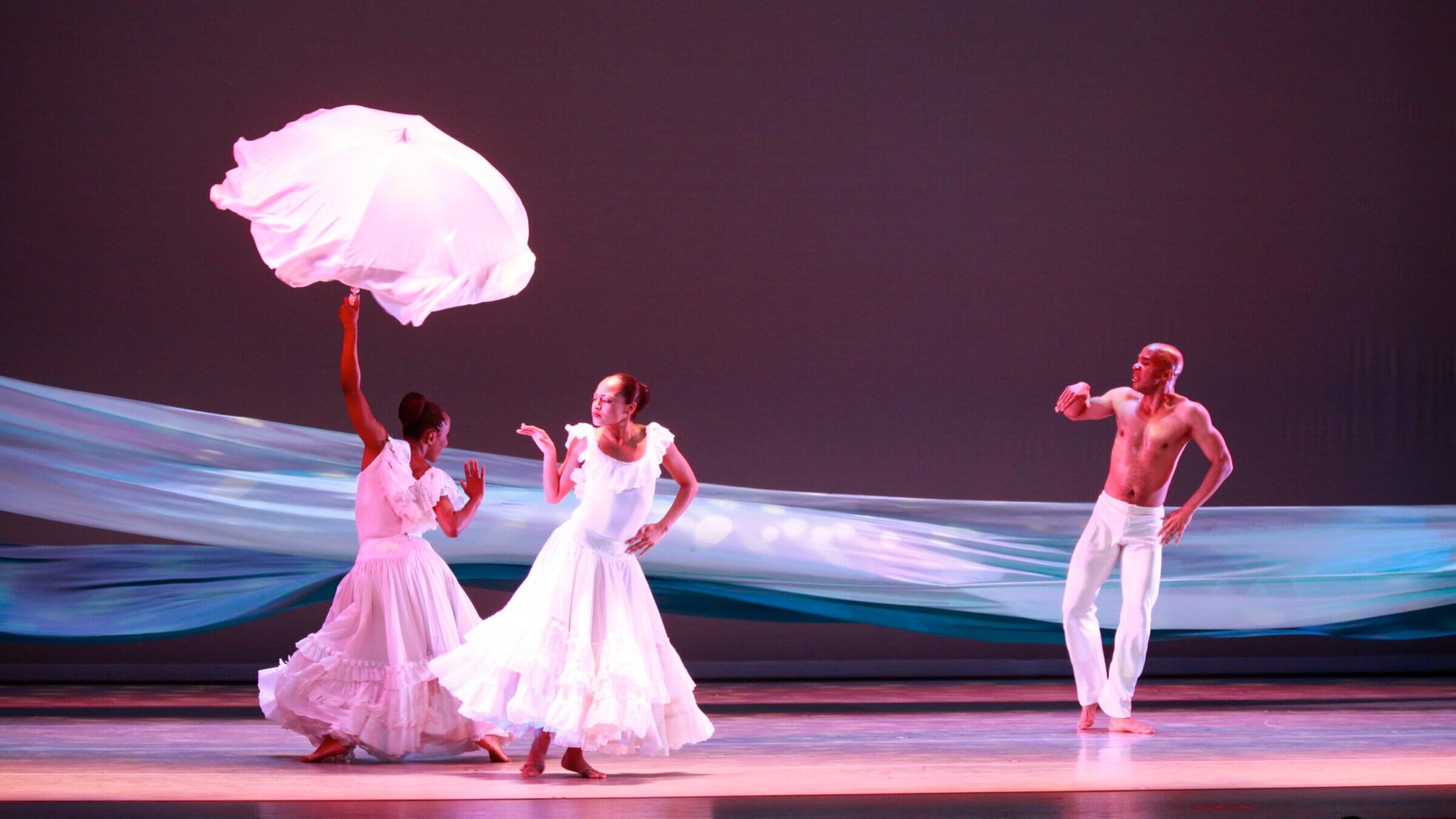
Alvin Ailey’s “Revelations,” which premiered at the 92nd Street Y. Photo by Charles Eshelman/Getty Images

By PJ Grisar May 15, 2026
Last week I was permitted a moment of naches. My friend and classmate Rennie McDougall published his first book, Nonstop Bodies: How Dance Shaped New York City.
The book, a whirlwind tour of the 20th Century from Flo Ziegfeld’s chorus line and social dances at the Savoy Ballroom to the edge of the millennium coming off the AIDS crisis, began in our grad school class at NYU, when Rennie tracked down some of the last of the Lindy hoppers. (Rennie is from Melbourne, and first came to New York to join a dance company; he now insists he’s a former dancer.)
There’s a whole chapter on Jerome Robbins (né Jerome Wilson Rabinowitz) and there are cameos by artists like Anna Sokolow, but the most interesting Jewish character isn’t a person: It’s a building.
“I really wanted to locate some specific epicenters of dance in the city, and focusing on the 92nd Street Y really started with Alvin Ailey and ‘Revelations’ premiering there,” Rennie told me.
The more research he did — speaking to dancers and audience members who were at the 1960 debut of Ailey’s masterpiece, which stages a baptism but recalls for my colleague Olivia Haynie the rituals of Yom Kippur — the more he came to realize just how vibrant a hub for dance the Y was in the midcentury.
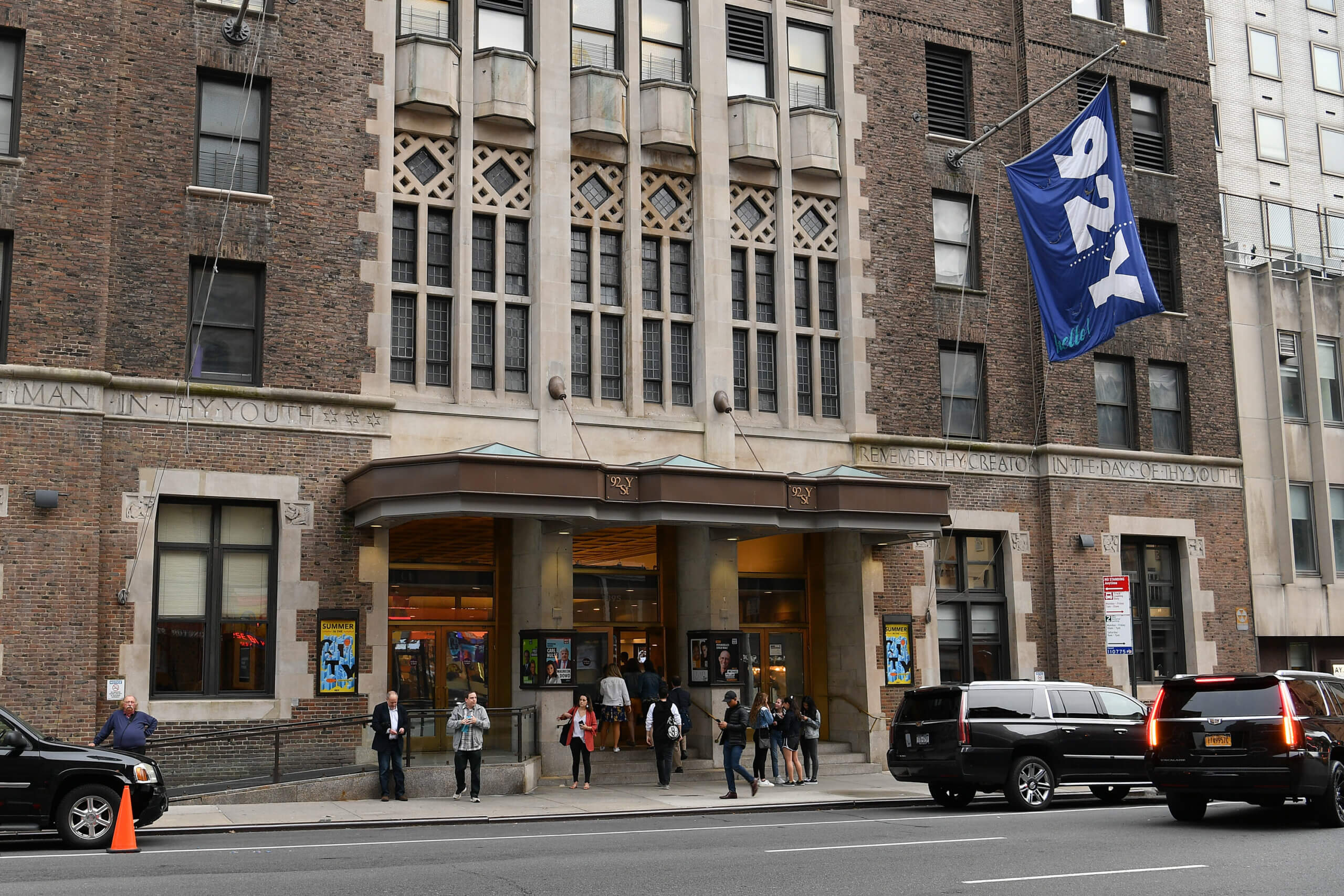
It was an unlikely candidate. Founded in 1874 as the Young Men’s Hebrew Association, little in its origins suggested that it would one day be an incubator for groundbreaking dance by women and Black artists, the latter of whom often drew on explicitly Christian traditions. But under the leadership of education director William Kolodney, the Y formed the Dance Center in 1935, launching with a symposium of modern dance featuring Martha Graham, Hanya Holm and Doris Humphrey, who would later serve as the center’s director.
By the postwar years, Jewish artists were crafting work there that explored identity. Sophie Maslow’s 1951 piece “The Village I Knew” evoked life in the shtetl, and, rare for the time, included two Black performers, Donald McKayle and Ronnie Aul.
In 1956, the Y did away with its audition system, Rennie writes, allowing dancers and choreographers to reserve the theater for a $100 deposit. Black dancers seized the opportunity.
Trinidadian choreographer Geoffrey Holder presented “Come Sunday” at the Y in 1958, a dance in which he appeared as a preacher leading his flock while Claudia McNeil singing spirituals. The same year, Louis Johnson debuted “Folk Impressions,” depicting a revival meeting. This, from an institution founded for white, male German Jewish professionals.
Was it the Jewish roots of the Y, created amid a culture of antisemitic exclusion, that made it accessible to Black artists?
“There was a huge sense of inclusivity to the space and the way that they were running it,” Rennie said, noting a major source of his, Naomi Jackson’s book Converging Movements, about dance and Jewish culture at the Y.
Black concert dance in America had a rich tradition before the Y’s open curation, but many of its luminaries debuted their most iconic work on the Kaufman Auditorium stage in the middle of the Civil Rights movement.
At the Y in 1958, Ailey premiered “Blues Suite,” perhaps his second most famous work after “Revelations,” marking the start of his legendary New York career.
Ailey’s company became multiracial in 1962, but Eleo Pomare, whose sympathies lay with the Black Panthers and Malcolm X, was also active at the Y. The characters in Pomare’s “Blues for the Jungle” included a prison inmate, a sex worker and a junkie, reflecting the people he regularly encountered in Harlem.
The Y hosted Pomare’s piece in 1966, a few years before the Met’s 1969 show Harlem on My Mind: Cultural Capital of Black America infamously excluded Black artists.
“The Black choreographers and dancers at the Y felt the power of their stories in this moment; they felt their shared ideas and cultural history resonated beyond their small collective at the theater and could speak to people all over the country,” Rennie writes. “Jazz, the blues, and the gospel of the Black church compelled them to seek a modern dance that moved with this musical inheritance, and the Y had given them a gathering point to build a performing community around these ideas.”
The Y of today walks the fine line of being both a Jewish institution and a pluralistic cultural center. It has been subject to recent boycott campaigns over its commitment to presenting speakers supportive of Israel and for disinviting artists who signed anti-Israel letters in the wake of Oct. 7. It feels stodgier and more particularistic than in the days when Ailey and his contemporaries were creating there.
While the dance center hosts festivals and offers classes in a variety of styles, the most regularly listed event seems to be Israeli folk dance lessons.
Still, the Y hasn’t forgotten its storied place in American dance. You can view an online version of its 2024 exhibit Dance to Belong: A History of Dance at 92NY on its website.
It’s no substitute for real, live performance, but thankfully other venues are embracing the work. “Revelations” is coming to City Center in December. It earned a bigger stage, but it started at the Y.

Did you know that only 2% of Forward readers donate to support our nonprofit newsroom? That 2% make it possible for millions to read the Forward without a paywall or subscription — removing any barriers to the full and fair Jewish story.
But while the Forward is free to read, it isn’t free to produce. Big stories — like deep dives into the antisemitism data, political scoops or reporting trips to college campuses — take months of research and fact-checking. All while we keep you informed of what you need to know each day.
— Rachel Fishman Feddersen, Forward Publisher & CEO
Support our mission to tell the Jewish story fully and fairly.