My summer plans prove it: The Jewish Catskills are alive and kicking
Remnants of the classic Borscht Belt endure amid thriving Orthodox life and hipster havens
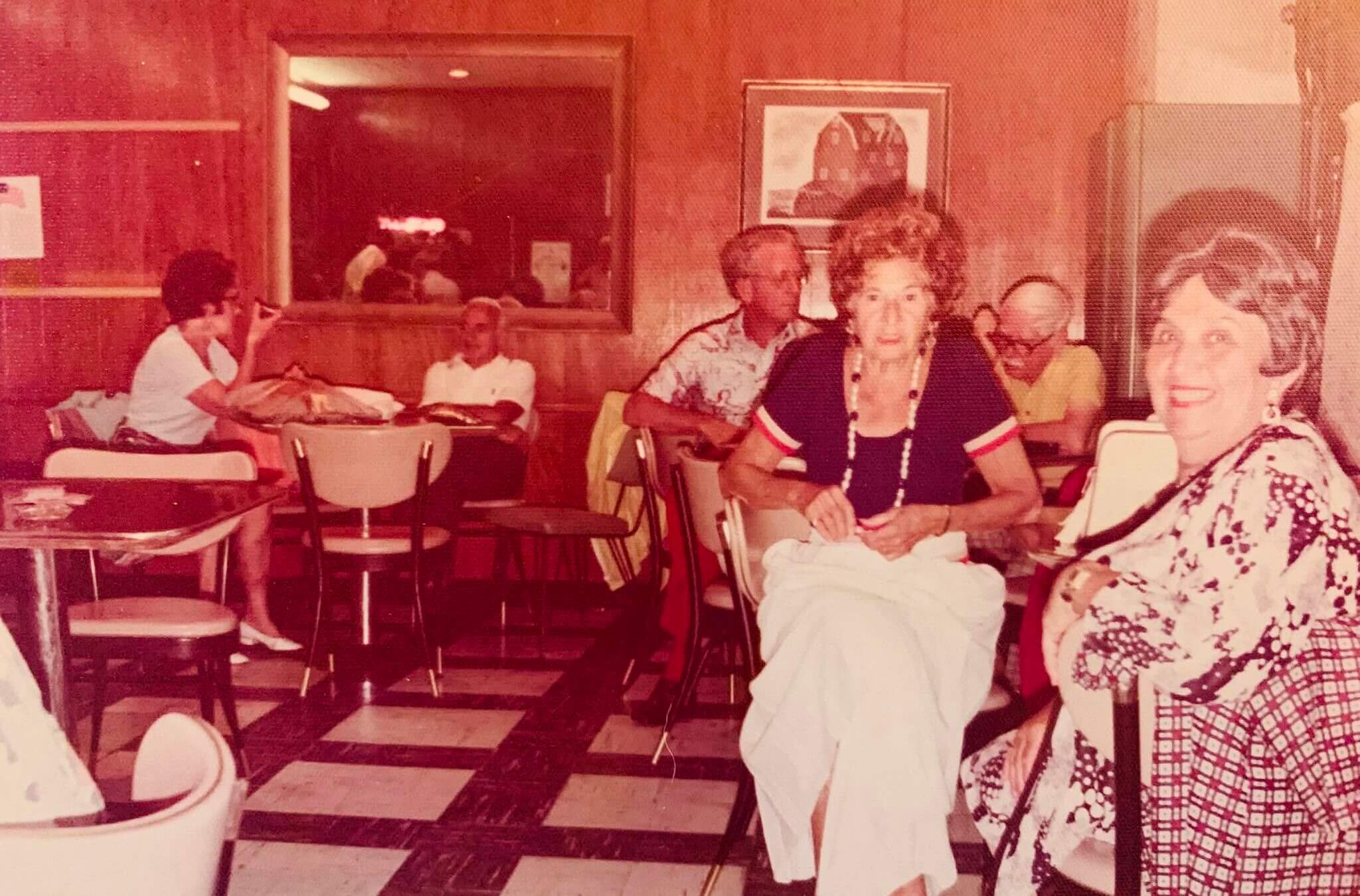
The card room at Sunny Oaks in Woodridge, N.Y. Courtesy of the Arenson family
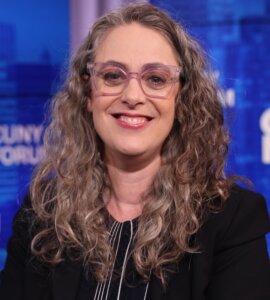
By Alyssa Katz June 12, 2026
In the collective memory of a certain generation, the Borscht Belt is synonymous with its gloriously garish excesses: massive resorts where spangled entertainers rivaled the kitchen in the production of schmaltz; a frenzy of activities that attracted crowds who reveled in the fruits of upward mobility, including more food than they could possibly ever eat.
I only had a brief encounter with that era of the Catskills. Judging from the photo in the tiny souvenir slide viewer/keychain that I still have from the Tamarack Lodge near Ellenville, New York, I was about 7. There I stand in between my grandparents, who are seated at, where else, the dining hall table. Tamarack me is tanned, suited in shiny print polyester and repulsed by the bitter breakfast offering, which set me off on four decades of avoiding grapefruit. I am smiling, and probably swam a lot, but all I remember beyond the frame of the photo is boredom.
Now the Tamarack, like its entire genre of bombastic resorts, is gone, the clubhouse and tennis courts succeeded by a yeshiva, a shul and grids of vacation homes referred to by one fan as “clean, beautiful, friendly and torahdig.” And I’m back.
For the last 15 years, I’ve been spending weeks every summer a short drive from there at a remnant of another Borscht Belt hotel. Unlike the Tamarack, never mind such behemoths as the Concord and Grossinger’s, Sunny Oaks always stayed small. To this day it has remained in the same family that has operated it since it was a farmhouse near the Woodridge stop on the O&W railroad.
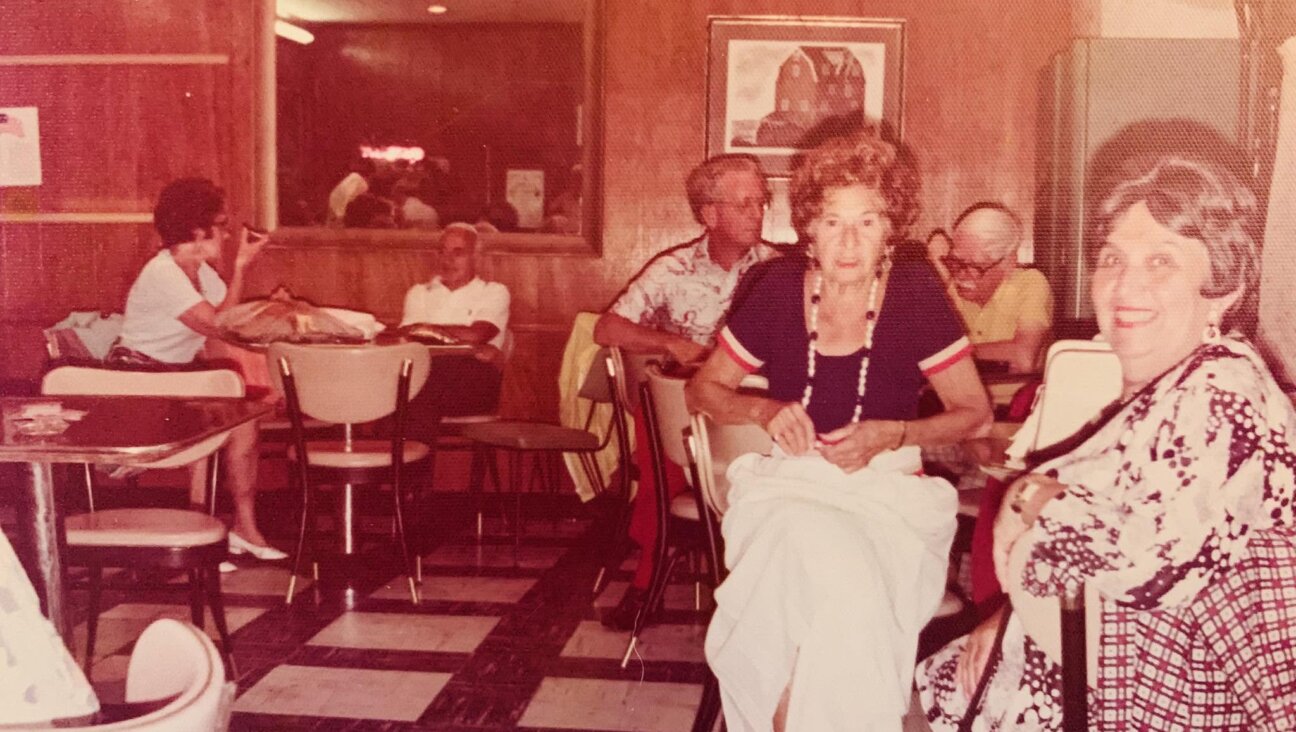
In its hotel heyday, Sunny Oaks’ attractions included fresh air, community, copious food, card games, a talent show and a swimming pool, attracting a clientele heavy on public school teachers and residents of southeast Queens. Some were Holocaust survivors. Folk dancing was popular. Bernie Madoff’s in-laws were regulars, and his Ponzi scheme ripped through like a fire.
I missed all of that. My connection came through friendship with the Arenson family, whose generations devoted their summers and then some to keeping the hotel welcoming, staffed, stocked and standing before making the difficult decision to shut it down in the late 1990s.
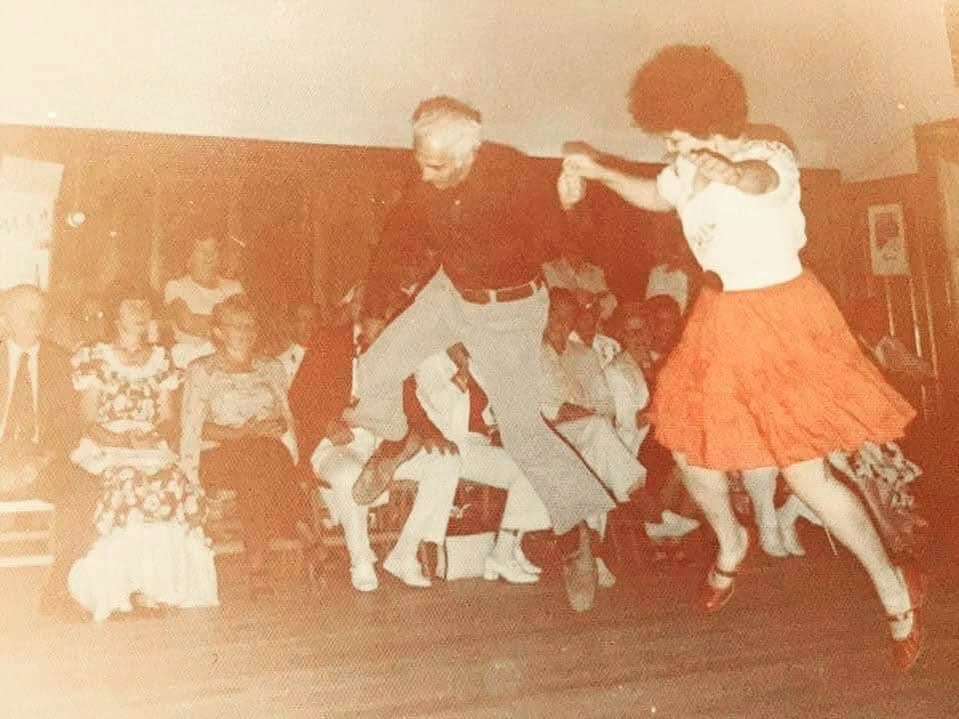
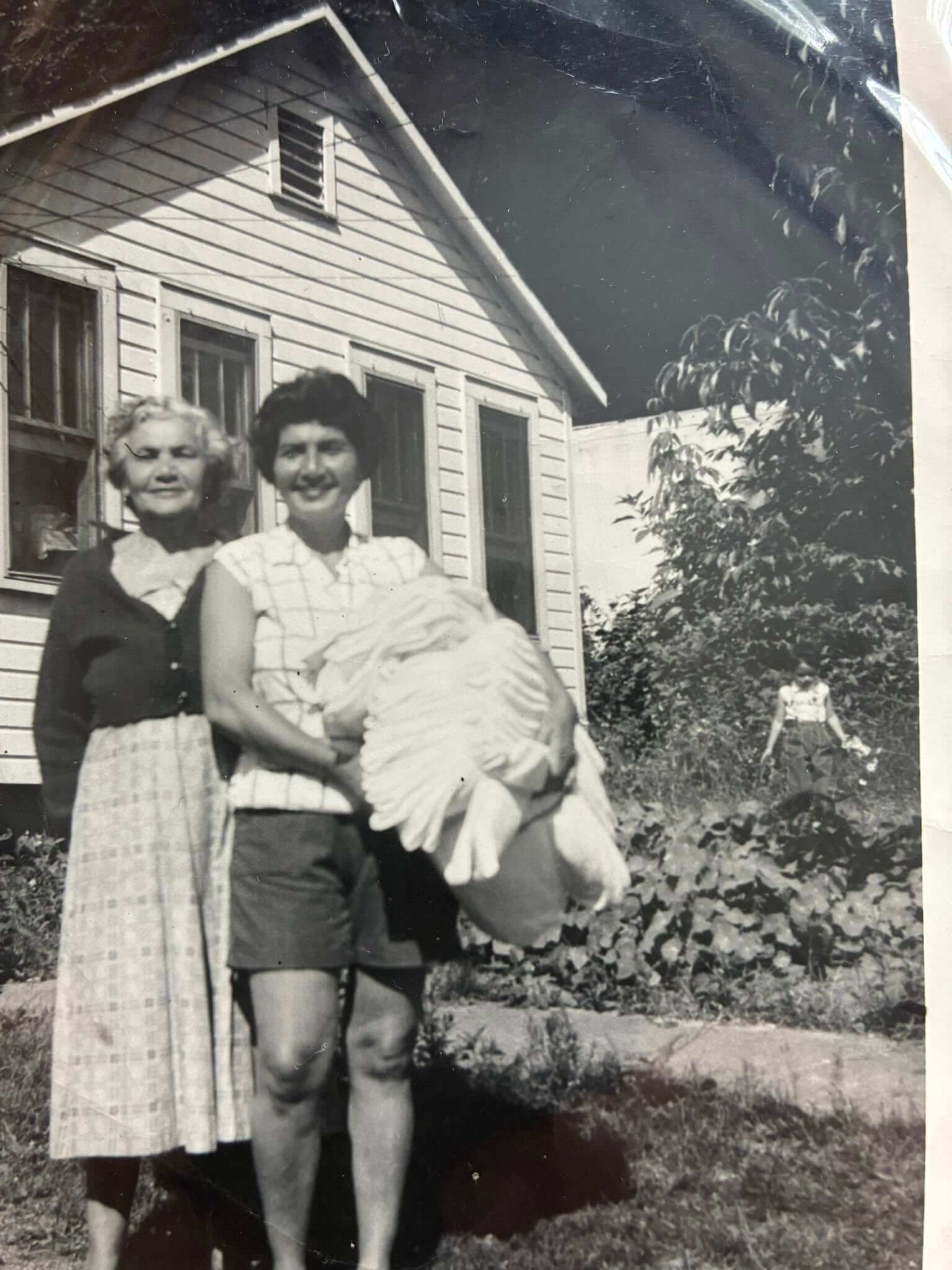
They demolished most of the dozens of rooms and cabins, leaving just six standing along with the social hall, which they turned into their own residence. My family rents the Lake House, a bungalow that once hosted the day camp on the “lake” formed in 1950 when Myles Levinson, the son-in-law of Abe Pendrus, an immigrant from Belarus, brought in a bulldozer to excavate a new amenity. Abe and his wife, Ida, had tried to make a go at farming after retiring from running a candy store in Brooklyn, only to find better fortune bringing in boarders from the city.
My friend Julia Arenson has become the legacy keeper, digitizing photos and ephemera, hosting a Facebook group for alumni and presenting at the nearby Borscht Belt Museum. But Juila is never more the embodiment of Sunny Oaks as she is when she regales guests with stories about growing up right where we’re sitting, reenacting the Yiddish accents, eccentricities and talent show shticks of especially memorable hotel regulars. Her mother, Cynthia still runs the joint with steady hosting reflexes and an eye for finds at yard sales, which she hits every weekend to outfit the place. Julia’s dad, Ted, married into the Sunny Oaks universe and was all in. He kept the books and tamed the fields on his riding lawn mower until he died in late 2024.
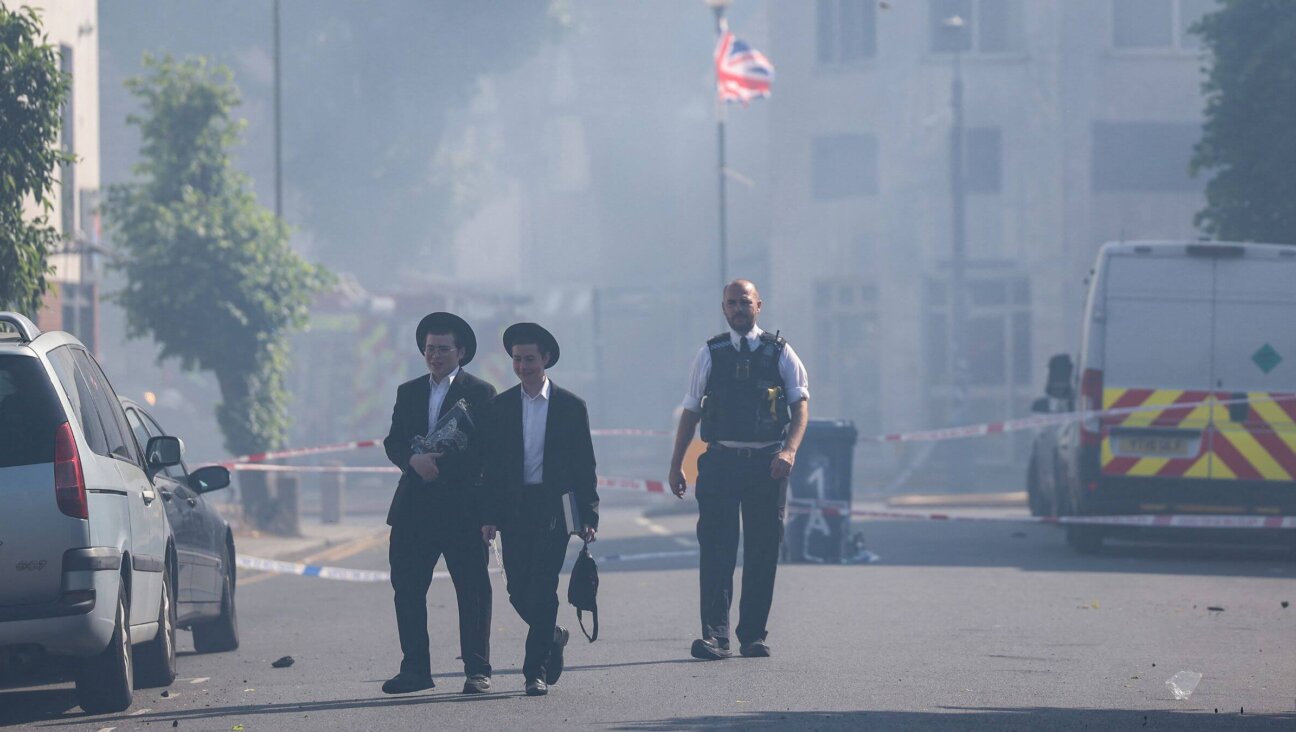
Cynthia still maintains the swimming pool and does laps in it daily in season, scrubbing muck from the bottom as part of her routine, and invites female friends from the frum bungalow colony down the road to use it. Neighboring us in the other direction is a Satmar summer community whose loudspeaker blares recorded announcements in Yiddish that open with a rooster’s crow.
With abundant kosher grocery stores, minyans and pizza joints, the Jewish Catskills is thriving alongside a few towns on the old train line that have gone the route of bourgeois gentrification, offering cafes and bars, yoga and yarn and, sometimes, live music — a gentle echo of the entertainers of yore. At Sunny Oaks, organized activities are long gone. Rather than consume vacation experiences facilitated by tummlers and tennis coaches — as exhausted, striving immigrant city-dwellers with a few days to get away had every reason to do — we spontaneously, actively share in music, movement, cooking, conversation and the outdoors.
Even then, the outside world presses in. The pandemic brought broadband to our quiet road, utterly altering the experience and enabling new possibilities for work and play (including allowing me to edit the Forward from there for a spell this summer).
The O&W, which went defunct in the 1950s, is now a rail trail where construction is underway to span the Neversink River with a bridge, connecting paths used by pedestrians and cyclists. It opens fresh possibilities for Shabbat strolls and for the new Jewish Catskills to mingle. Crews hoisted the span into place in late May, and I am excited to see what comes of the renewed community connections, even as it bodes badly for my birthday ritual of slipping into the river in the suit befitting the day. The religious and secular Catskills, as everywhere, exist as parallel societies that share space, uncomfortably so when genders mix and modesty collides with summer abandon.
The classic Borscht Belt found ways to meld the worlds: The Tamarack accommodated both my Orthodox, kosher-keeping grandfather and, just a few years before my visit, a concert by The Who. Today, my child takes a bus home to Brooklyn where $40 in cash buys a seat in the back, on a sex-segregated coach where only men may sit in front and no choice of personal pronouns will change that. The artist who created the Church of the Little Green Man nearby displays a billboard on his property that declares “God Loves Fags” in Yiddish and English.
So please do make sure to visit the Borscht Belt Museum in Ellenville, which is doing a beautiful job preserving artifacts, telling the stories (so many stories!) and showcasing a new generation of performance talent. Just also make sure to roll down the windows or, better yet, step outside, to experience the Jewish Catskills that are still very much alive.

Hello, fellow Forward reader! I’m Joel Brown, a Forward reader and supporter for more than 15 years, and currently the chair of the board of directors.
I’m an avid Forward reader because it ticks so many of my essential boxes: excellent journalism, Jewish focus and diverse viewpoints. In today’s political climate, what I most appreciate is the Forward’s independence — made possible by the generosity of its membership.
The Forward is committed to bringing you unbiased, nuanced Jewish news. From my position as board chair, I see an exciting future as we expand our position as the definitive independent voice of contemporary American Judaism.
That’s why I’m paying it Forward, by matching $36,000 of reader gifts. It’s an investment in the Forward’s newsroom, to continue telling the American Jewish story with truth and independence.
— Joel Brown, Forward board chair
Support our mission to tell the Jewish story fully and fairly.