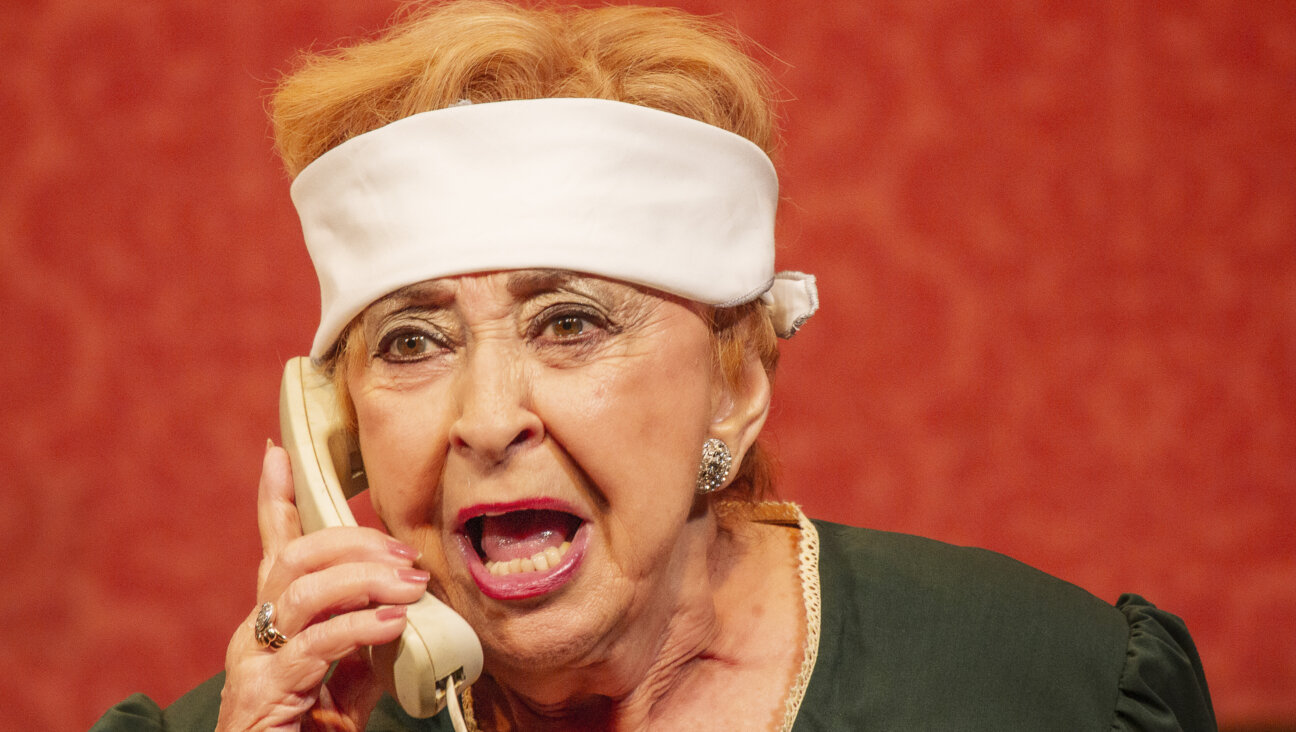
ווידעאָ: טשאַרדאַש־מעלאָדיע אויסגעפֿירט פֿונעם „שירה‟־כאָרWATCH: A cappella czardas performed by the Shira Choir
די מוזיקאַלישע פּרעציזקייט פֿונעם זינגען איז ממש צום באַוווּנדערן.
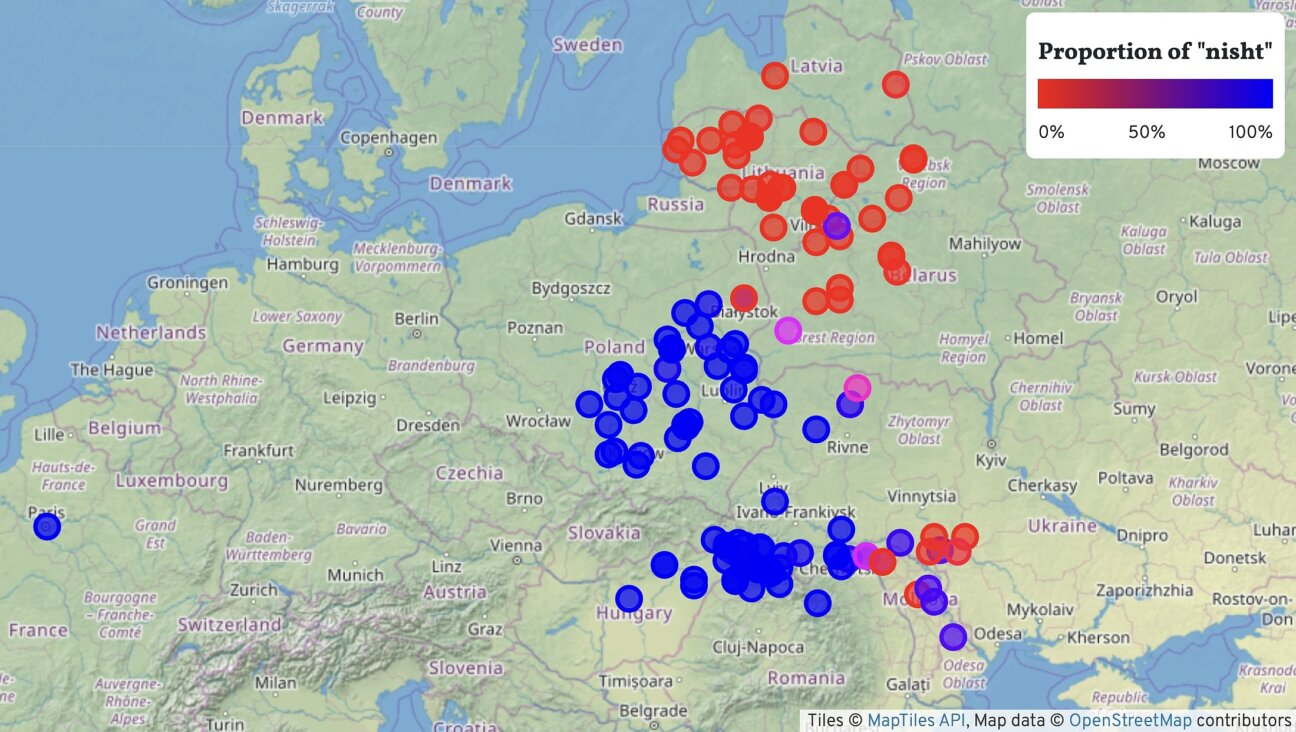
Graphic by Angelie Zaslavsky
זינט דעם בראשית פֿון דער חסידישער באַוועגונג האָבן חסידישע מוזיקער פֿרײַ „געבאָרגט‟ די לידער פֿון די שכנותדיקע פֿעלקער און פֿון זיי געשאַפֿן אייגענע היימישע ניגונים. אין דער מיזרח־אייראָפּעיִשער ייִדישער מוזיק בכלל, און אין דער חסידישער מוזיק בפֿרט, הערט מען אַרײַנגעוועבטע סטראָפֿעס און אַמאָל גאַנצע מעלאָדיעס פֿון רומענישע, אוקראַיִנישע, פּוילישע, ווײַסרוסישע און אונגערישע פֿאָלקסלידער, וואַלצן, מאַרשן און וויגלידער, וכדומה.
אַז מע הערט זיך צו צו דער הײַנטיקער חסידישער מוזיק, באַמערקט מען אַז די השפּעות פֿון דער אונגערישער פֿאָלקס־, און אַפֿילו קלאַסישער מוזיק, זענען בײַם אויבן אָן. דער טשאַרדאַש, אַן אַלטער זשאַנער פֿון פֿאָלקסטאַנץ וואָס שטאַמט פֿון די 1700ער יאָרן, איז אַרײַן אין דער קלאַסישער מוזיק פֿון 19טן יאָרהונדערט, ווען אונגערישע קאָמפּאָזיטאָרן האָבן אים אַרײַנגעוועבט אין זייערע קאָמפּאָזיציעס.
דער טשאַרדאַש־סטיל פֿאַררופֿט זיך אויף די לידער, וואָס קאַפּעליעס פֿלעגן שפּילן בײַם רעקרוטירן מענער אין דער עסטרײַך־אונגערישער אַרמיי. אונגערישע חסידים האָבן אַרײַנגענומען אַזעלכע מאַרשן און טאַנץ־לידער און זיי געשפּילט אויף די חתונות. דער טערמין טשאַרדאַש, וואָס מיינט, אייגנטלעך, „קרעטשמע‟ אויף אונגעריש, איז געווען אַזוי ברייט באַקאַנט בײַ ייִדן, אַז מע טרעפֿט עס אַפֿילו עד־היום ווי אַ פֿאַמיליע־נאָמען.
סײַ די פֿאָלסקישע וואָרצלען, סײַ דער קלאַסישער ייִחוס פֿונעם טשאַרדאַש קען מען בולט הערן אין אָט דער אומפֿאַרגעסלעכער אויספֿירונג פֿונעם „שירה‟־כאָר, וואָס וועבט צונויף די קלאַסישע מוזיק און אָפּערע מיט אַקאַפּעלאַ (אַ סטיל פֿון זינגען אָן אינסטרומענטן). די פּרעציזקייט פֿונעם זינגען, דערגרייכנדיק נאָטן און בײַטנדיק טענער ממש אין אַן אויגנבליק, איז צום באַוווּנדערן.
I’m personally matching all gifts to the Forward, up to $36,000. Can I match your gift now?

Hello, fellow Forward reader! I’m Joel Brown, a Forward reader and supporter for more than 15 years, and currently the chair of the board of directors.
I’m an avid Forward reader because it ticks so many of my essential boxes: excellent journalism, Jewish focus and diverse viewpoints. In today’s political climate, what I most appreciate is the Forward’s independence — made possible by the generosity of its membership.
The Forward is committed to bringing you unbiased, nuanced Jewish news. From my position as board chair, I see an exciting future as we expand our position as the definitive independent voice of contemporary American Judaism.
— Joel Brown, Forward board chair
Support our mission to tell the Jewish story fully and fairly.