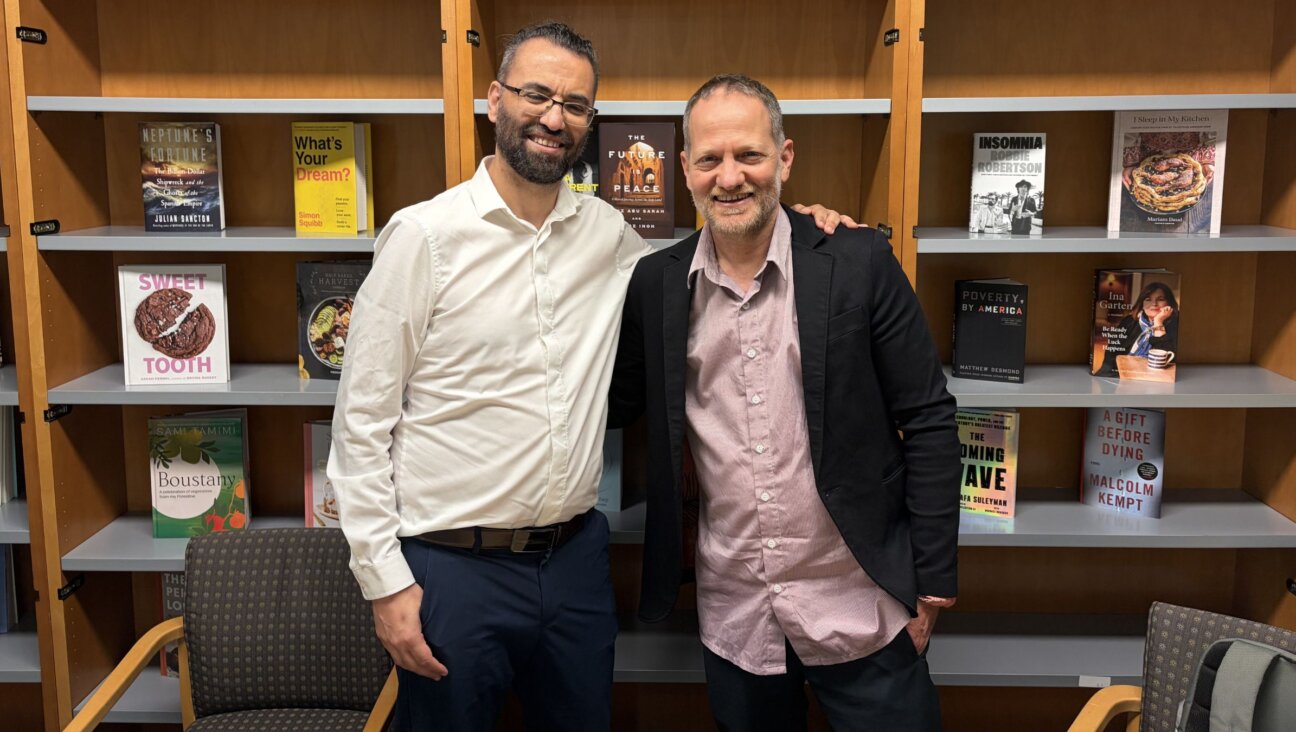
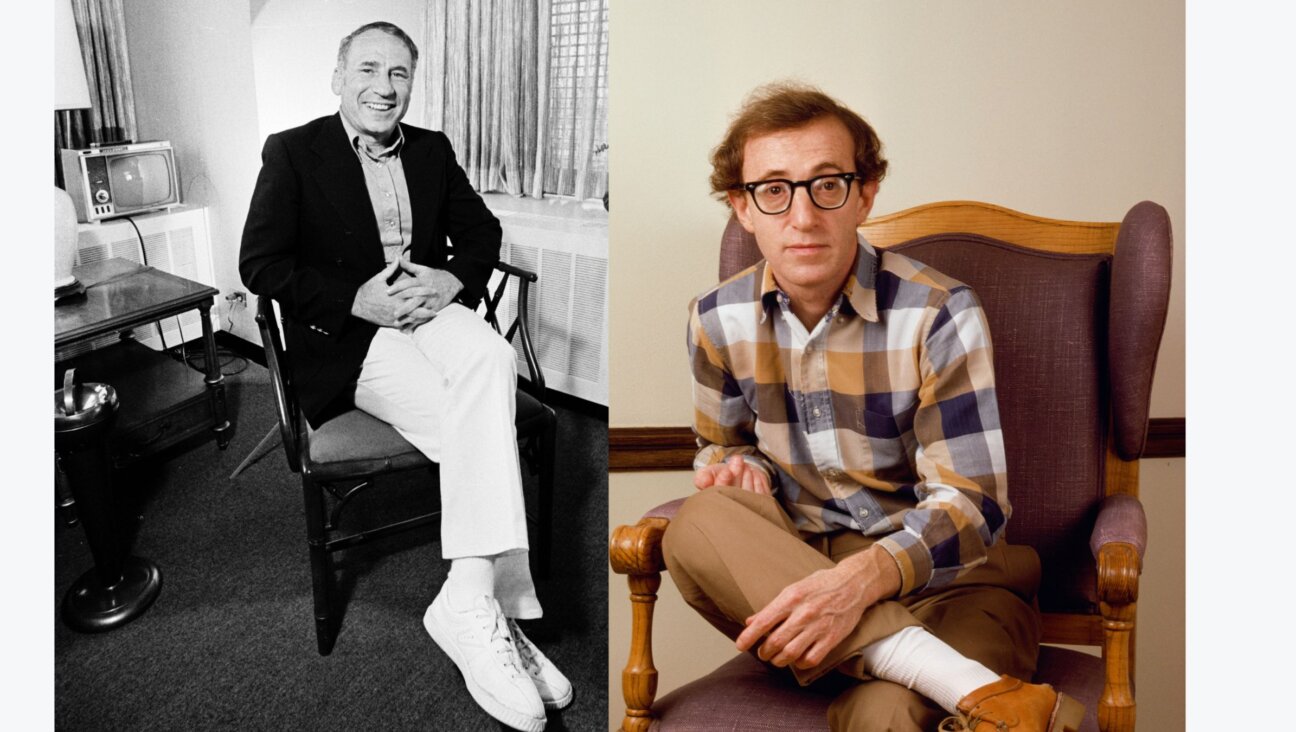
Basil Herring

Graphic by Angelie Zaslavsky

By Avital Chizhik-Goldschmidt December 2, 2018
Adding New Voices to the Siddur
The standard American Orthodox prayer-book has been long overdue for an upgrade. For far too long, it has been defined by its non-literal translations of liturgy, hagiographical commentary, and male-centric language.
So when Basil Herring, a South African-born rabbi and former executive president of the Rabbinical Council of America, one of the world’s largest organizations of Orthodox rabbis, made a proposal to Koren Publishers in 2008 about collaborating on a new standard synagogue siddur, translation and commentary, the decision was unanimous.
The previous RCA siddur had been published by Artscroll in 1984, another era — and Herring, 71, was interested in creating something radically different, something that suited the majority of mainstream Orthodox synagogues, with increasingly modern sensibilities and Zionist affiliations.
“We felt that it was important that this new prayer-book reflected current scholarship,” he said. Not only does the new edition offer a more literal translation of liturgy than previous editions, as well as the more contemporary commentary of Rabbi Joseph B. Soloveitchik alongside academic historians — it is notably the first to highlight Zionist philosophy and women’s scholarship as well.
Published and already in use, the Avodat Halev Siddur — literally the Work of the Heart prayerbook — includes women-specific prayers with expanded language (prayers for new mothers after childbirth, prayer for a female head of household, a post-meal zimmun written specifically to be sung by three women); its ritual instructions use the pronoun “one” instead of “he” as default, and even discusses the importance of halakhic prenuptial agreements. Women scholars’ commentary range from Nechama Leibowitz to Devra Kay to Yaffa Eliach, among others.
“It was important for us that it be gender-sensitive,” Herring said. “Whether women use it in the synagogue or at home, we wanted the siddur to utilize women’s language — including womens voices, too.”
— Avital Chizhik-Goldschmidt
This is a moment of great uncertainty. Here’s what you can do about it.
We hope you appreciated this article. Before you go, we’d like to ask you to please support the Forward’s independent Jewish news. All donations are still being matched by the Forward Board - up to $100,000 until April 24.
This is a moment of great uncertainty for the news media, for the Jewish people, and for our sacred democracy. It is a time of confusion and declining trust in public institutions. An era in which we need humans to report facts, conduct investigations that hold power to account, tell stories that matter and share honest discourse on all that divides us.
With no paywall or subscriptions, the Forward is entirely supported by readers like you. Every dollar you give is invested in the future of the Forward — and telling the American Jewish story fully and fairly.
The Forward doesn’t rely on funding from institutions like governments or your local Jewish federation. There are thousands of readers like you who give us $18 or $36 or $100 each month or year.

Support our mission to tell the Jewish story fully and fairly.