New edition of landmark English-Yiddish Dictionary includes “lockdown” and “breakout room”
Graphic by Angelie Zaslavsky

By Forverts Staff October 22, 2021
Read this article in Yiddish
The world has changed massively in five years – from new political movements to a global pandemic, and now your Yiddish can keep up with it.
Five years after the Comprehensive English-Yiddish Dictionary was first published, comes a revised and expanded second edition. Both versions, edited by Gitl Schaechter-Viswanath, Dr. Paul Glasser and Dr. Chava Lapin, were published by Indiana University Press.
The source for many of the terms listed in the dictionary was 87 card catalogs and shoeboxes of Yiddish words and phrases compiled by the late lexicographer Dr. Mordkhe Schaechter, with the intention of publishing the first English-Yiddish dictionary since Uriel Weinreich’s classic one was published more than fifty years ago. But Dr. Schaechter passed away before completing his life’s work, so his daughter, Schaechter-Viswanath, and Yiddish linguist Glasser took on the challenge of finishing the task.
Following the first edition’s widely-hailed release in 2016, which included a glowing review by the New York Times, the dictionary became the new standard for anyone searching for the answer to the question: “How do you say that in Yiddish?”
The second volume enables Yiddish speakers to update their vocabulary to stay current in today’s changing world. It comprises more than 84,000 entries, with nearly 1,000 additional words and expressions, including new contemporary terms from the fields of technology, science, and politics.
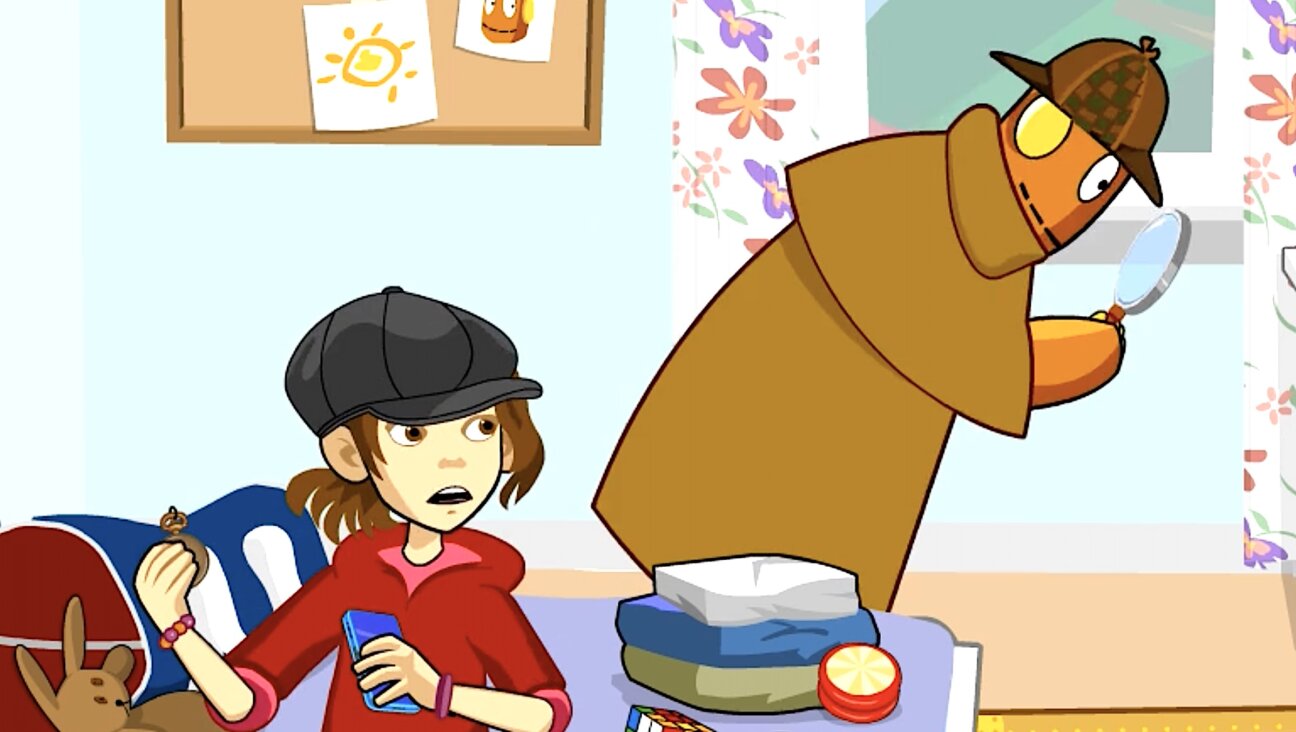
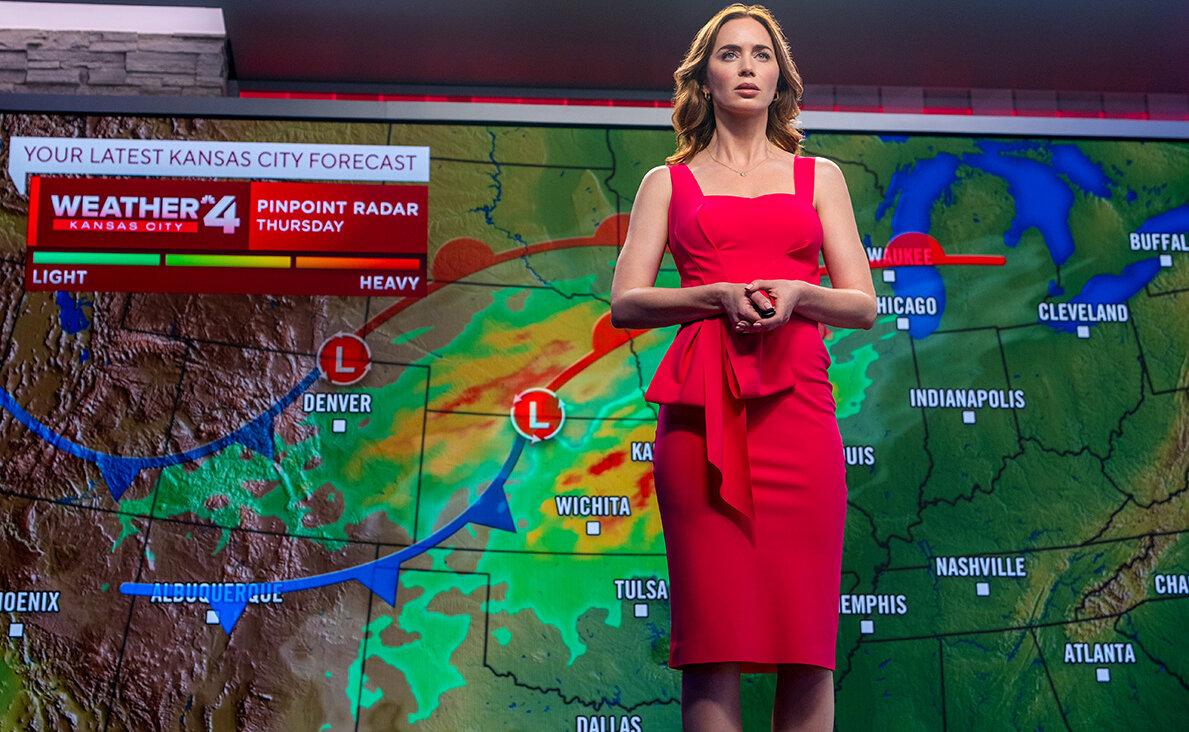
Among the new terms, are Yiddish translations for “to be in lockdown” – zayn farshpart and “breakout room” – der baytzimer.
To order the dictionary, click here.
Did you know that only 2% of Forward readers donate to support our nonprofit newsroom? That 2% make it possible for millions to read the Forward without a paywall or subscription — removing any barriers to the full and fair Jewish story.
But while the Forward is free to read, it isn’t free to produce. Big stories — like deep dives into the antisemitism data, political scoops or reporting trips to college campuses — take months of research and fact-checking. All while we keep you informed of what you need to know each day.
— Rachel Fishman Feddersen, Forward Publisher & CEO
Support our mission to tell the Jewish story fully and fairly.