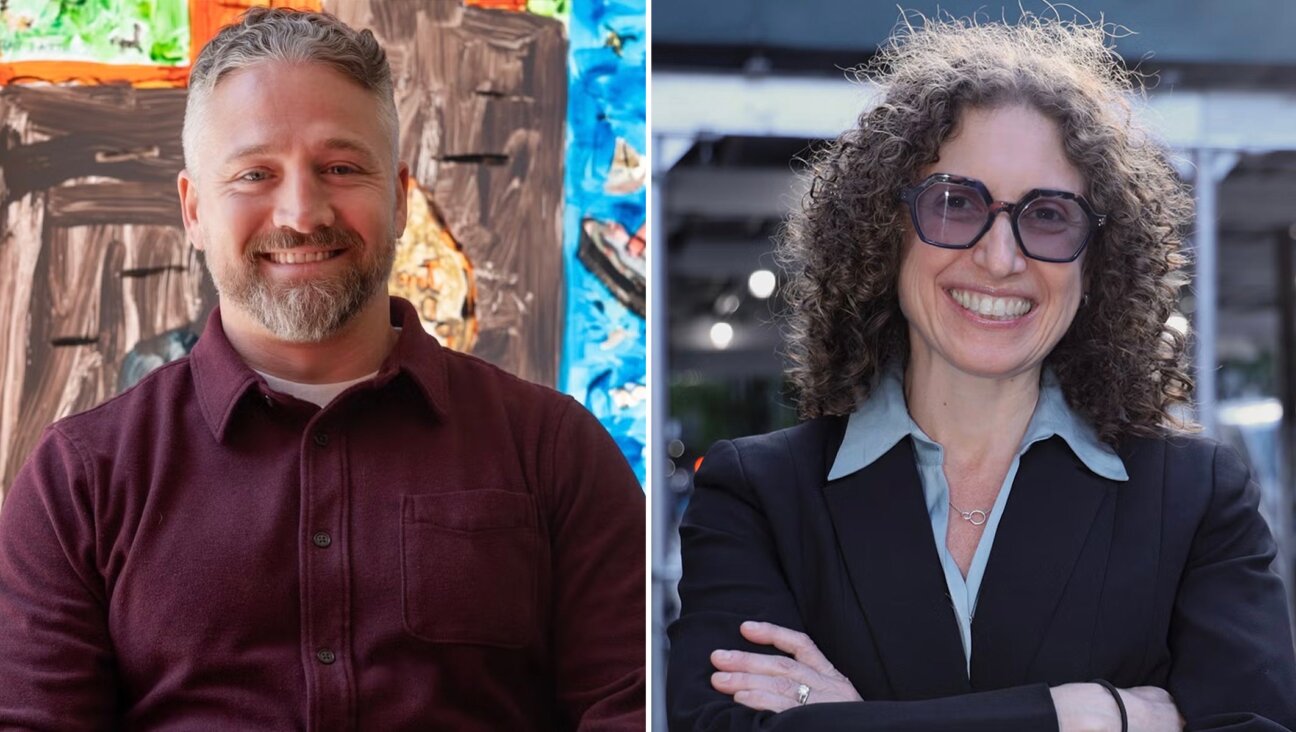
Amy Schumer

Image by Anya Ulinich
2015 was the year of Amy Schumer.
When she wasn’t making viral waves on “Inside Amy Schumer,” being named one of Time magazine’s 100 Most Influential People of 2015, writing and acting in the hit comedy “Trainwreck,” trading text messages with Jennifer Lawrence, winning Emmys and making surprise appearances at Billy Joel concerts, Schumer, 34, was busy advocating for gun control alongside her cousin Senator Chuck Schumer.
Oh, and there’s the matter of that $8 million book advance.
But before she was up onstage thanking her makeup artist for her smashing smoky eye, she was Amy Beth Schumer from Manhattan’s Upper East Side.
When she was 9, her father was diagnosed with multiple sclerosis. Three years later, with bankruptcy looming, her parents divorced. Schumer’s mother moved the family to Long Island, where they attended Central Synagogue of Nassau County in Rockville Centre.
Rabbi Jeffrey Salkin, who knew Amy then, described her as “a sweet, funny kid, who often asked probing and humorous questions in religious school.”
Schumer describes herself as a proud but lapsed Jew. “My experience of Judaism was this,” she told pop culture website Complex in July. “I went to temple every Friday, and went to Sunday school, you know, Hebrew school, and then I had my bat mitzvah, and then I think that might be the last time I was in a temple.”
That bat mitzvah? “I brought all my friends to Medieval Times,” she told Complex. “I guess it didn’t have a theme, but the theme was we had a blast and we ate chicken with our hands.”
Did you know that only 2% of Forward readers donate to support our nonprofit newsroom? That 2% make it possible for millions to read the Forward without a paywall or subscription — removing any barriers to the full and fair Jewish story.
But while the Forward is free to read, it isn’t free to produce. Big stories — like deep dives into the antisemitism data, political scoops or reporting trips to college campuses — take months of research and fact-checking. All while we keep you informed of what you need to know each day.
— Rachel Fishman Feddersen, Forward Publisher & CEO
Support our mission to tell the Jewish story fully and fairly.