
This is the Forward’s coverage of Jewish culture where you’ll learn about the latest (and sometimes earliest) in Jewish art, music (including of course Bob Dylan and Leonard Cohen), film, theater, books as well as the secret Jewish history of…
Culture
-
 Theater
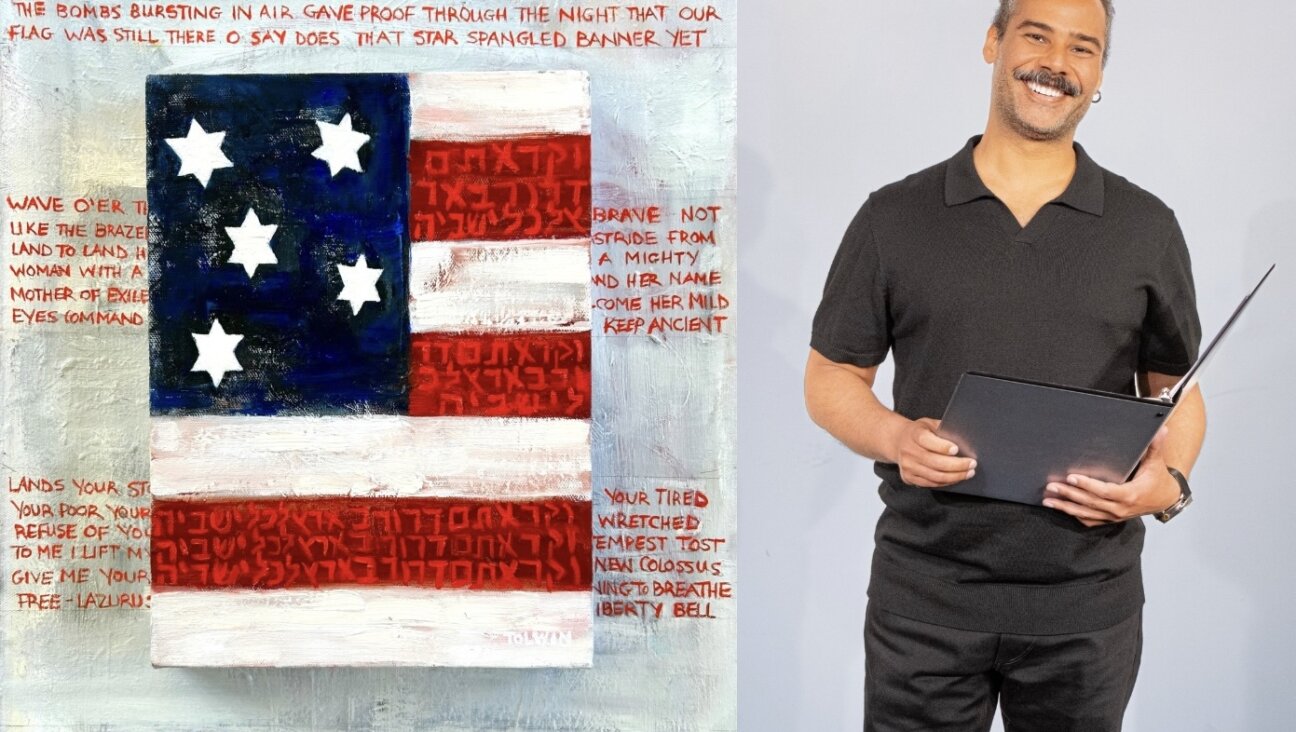
They helped elect Los Angeles’ first Black mayor; but to him, they were just Bob and Shirley
In "L'Chaim America," Joshua Silverstein honors the Jewish couple who helped elect Tom Bradley
-
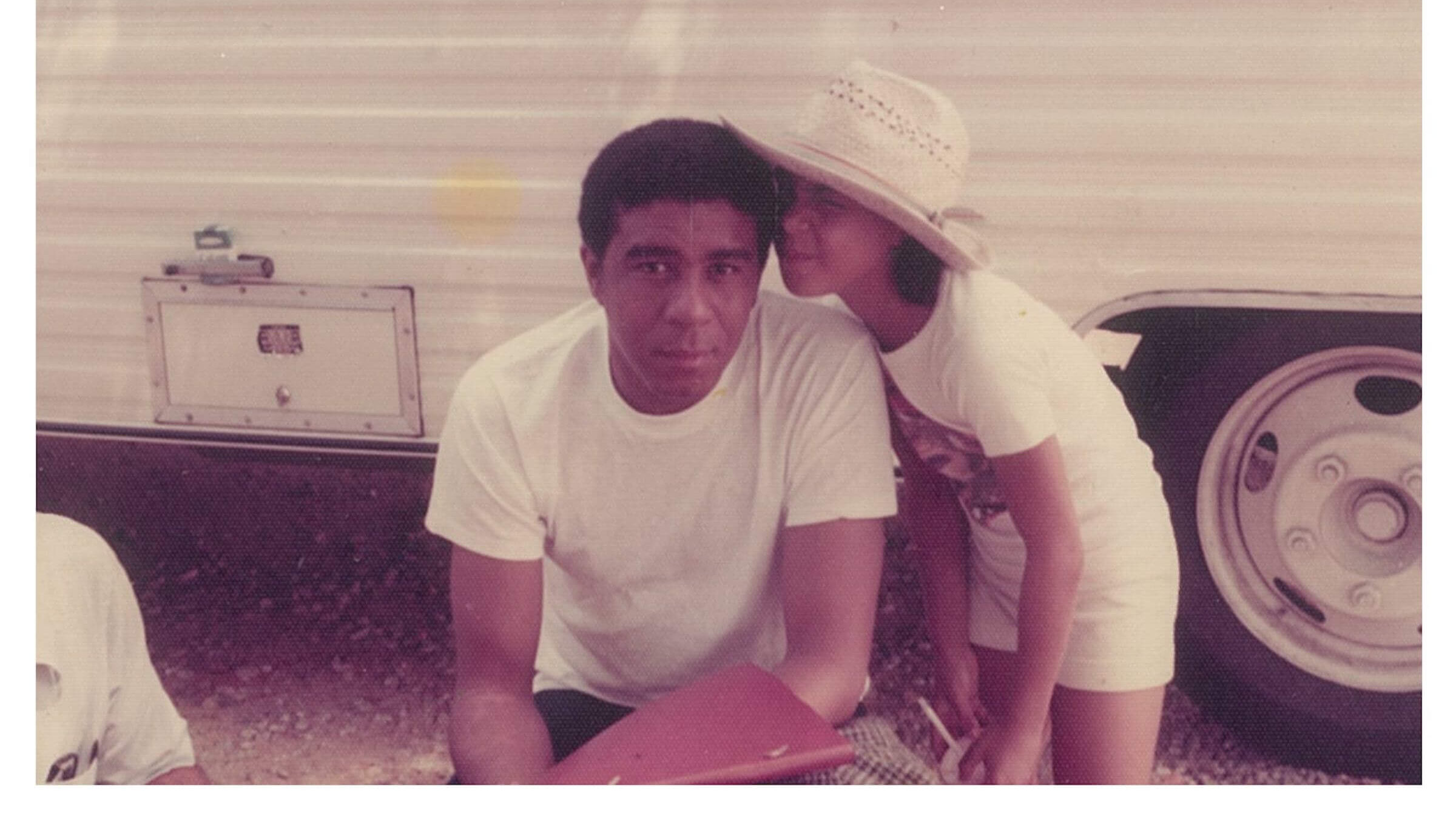
Books In ‘Something We Said,’ Richard Pryor’s daughter finds words to discuss the unspeakable
Elizabeth Pryor unpacks ‘the n-word’ as a professor, a Black-Jewish woman, and the kid of the man who transformed the word forever
-
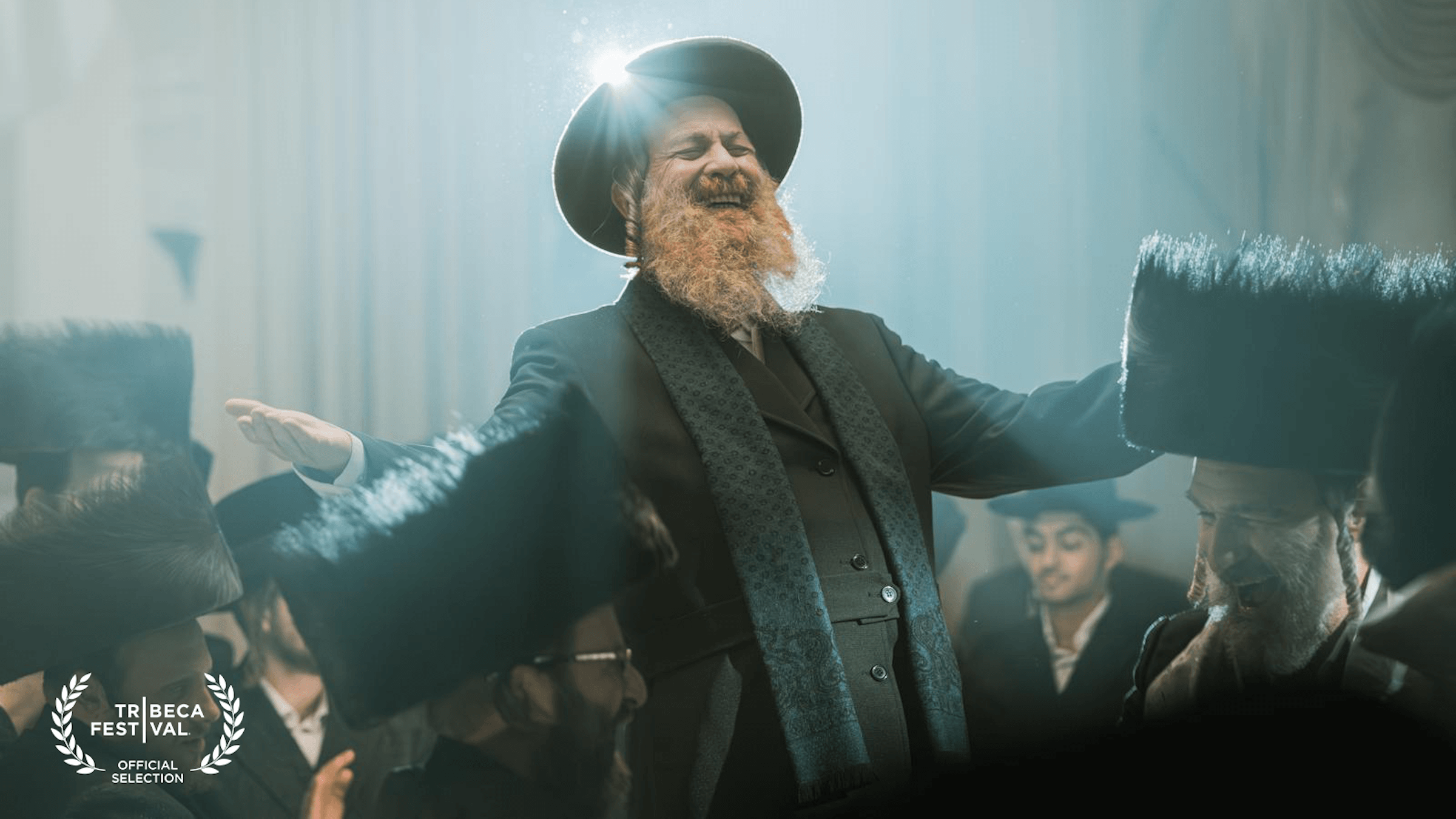
Film & TV A Hasidic wedding entertainer tries to keep up with the times — if his ego will let him
In Gidi Dar's latest film, a struggling alcoholic strives to rebuild his career with kabbalah and blackmail
The Latest
-
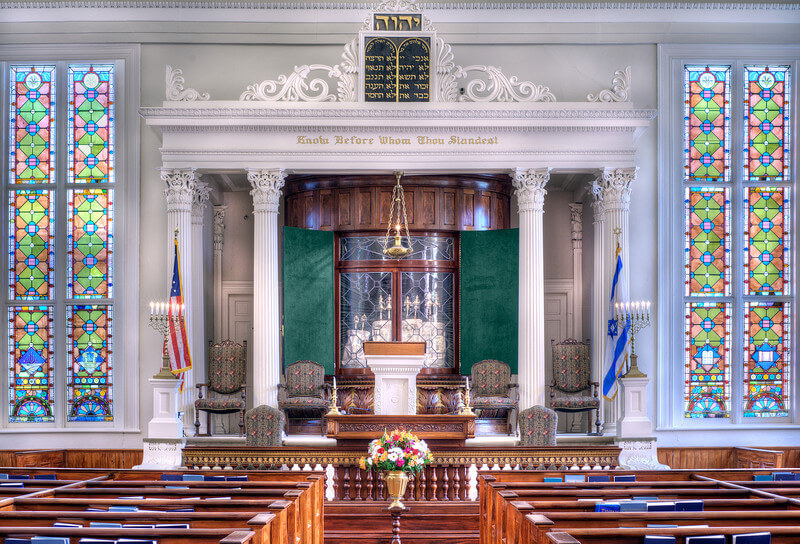
An organ divided a synagogue. The fallout helped create Reform Judaism.
'Happyland' tells the true story of a synagogue in antebellum South Carolina
-
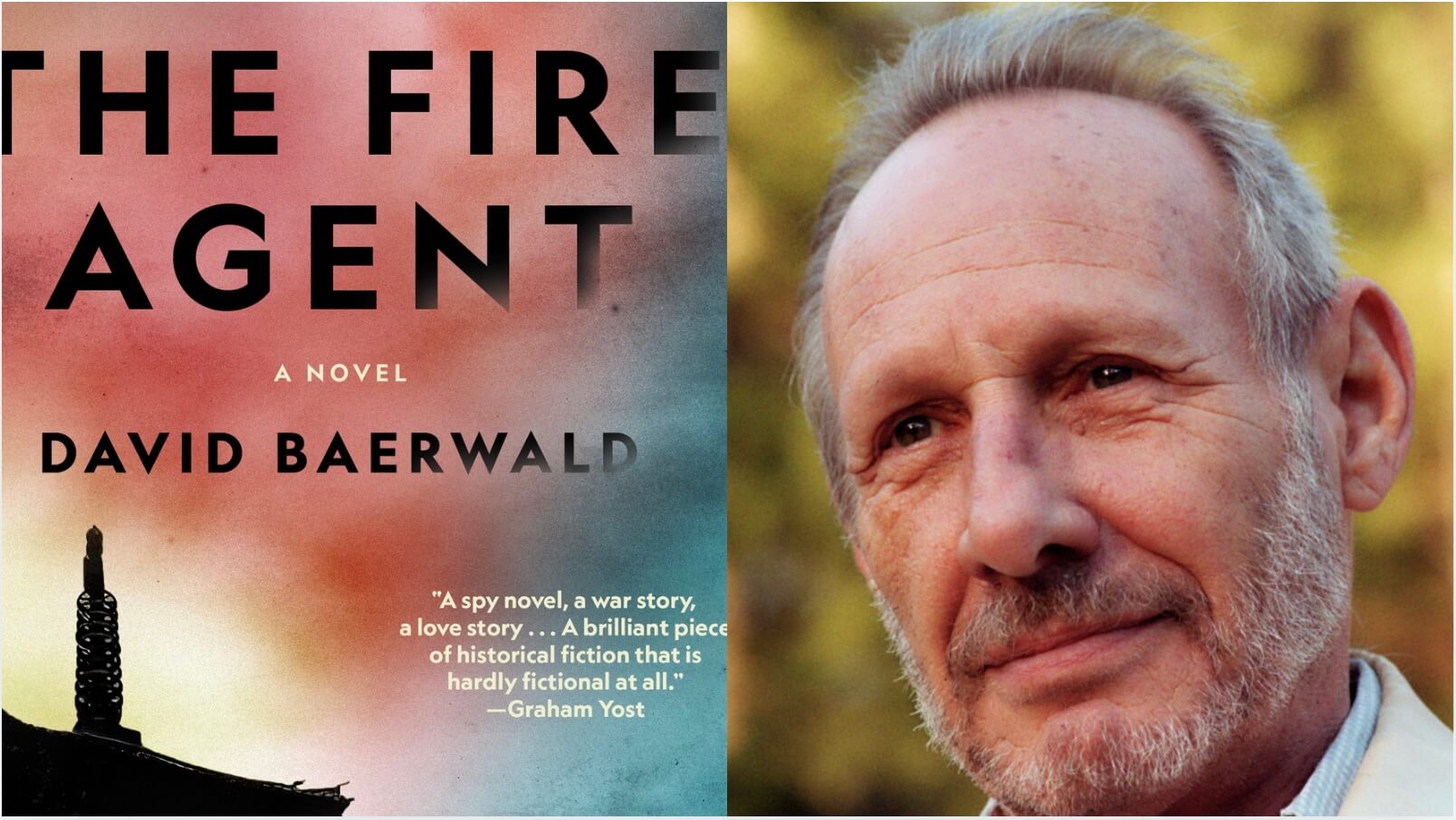
Books In David Baerwald’s epic tale of espionage and wartime horrors, family history is stranger than fiction
Veteran musician and first-time novelist Baerwald tells his grandfather Ernst's incredible story in 'The Fire Agent'
-
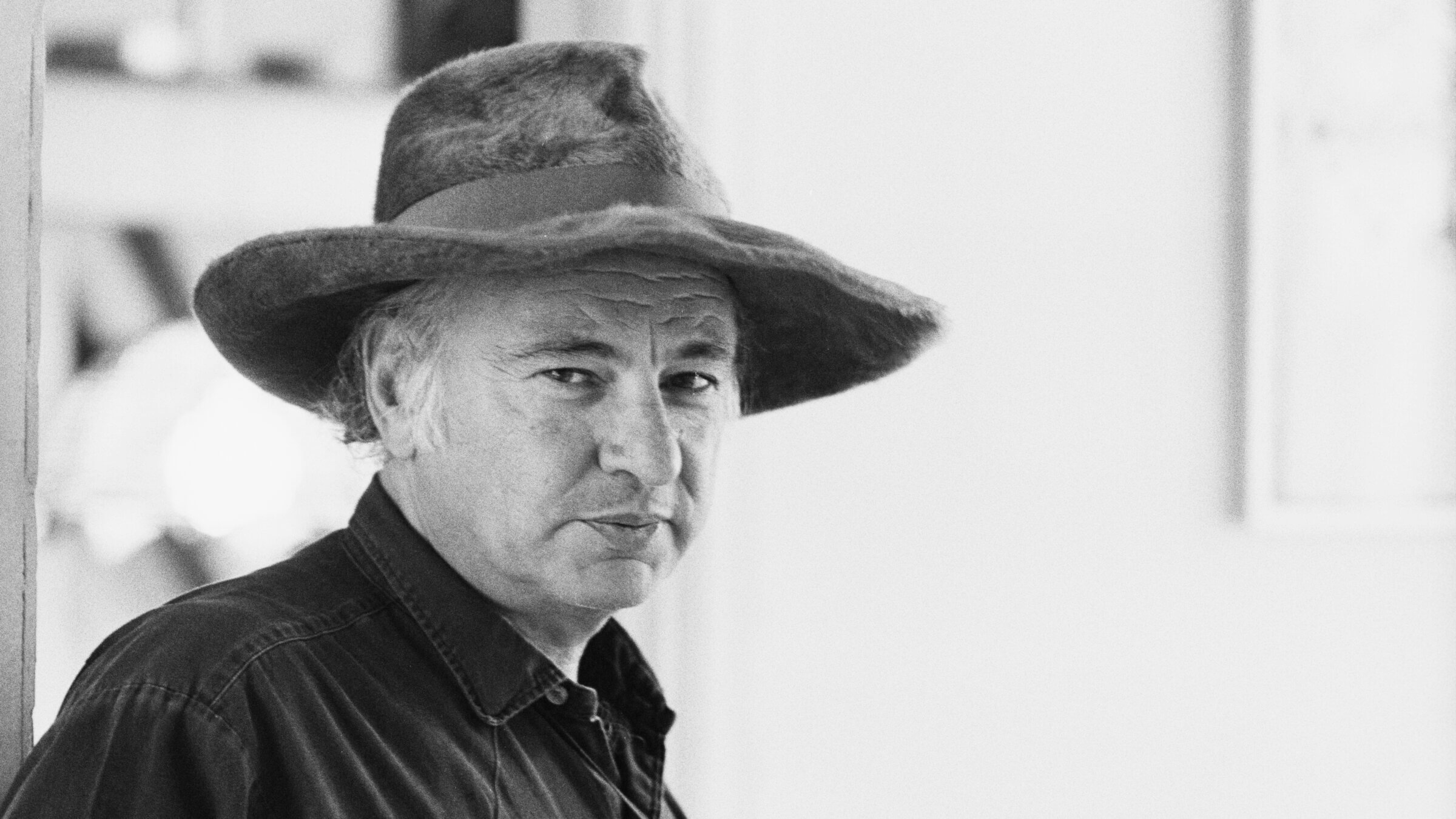
In the course of his 104 years, he resisted the Nazis, fought against blood libel and became a towering Jewish intellectual
Edgar Morin reveled in the complexity of events; his life became an expression of his philosophy
-

That time Allen Ginsberg wrote a Socialist poem — about Bernie Sanders
In the senator from Vermont, the 'Howl' author found a muse
-
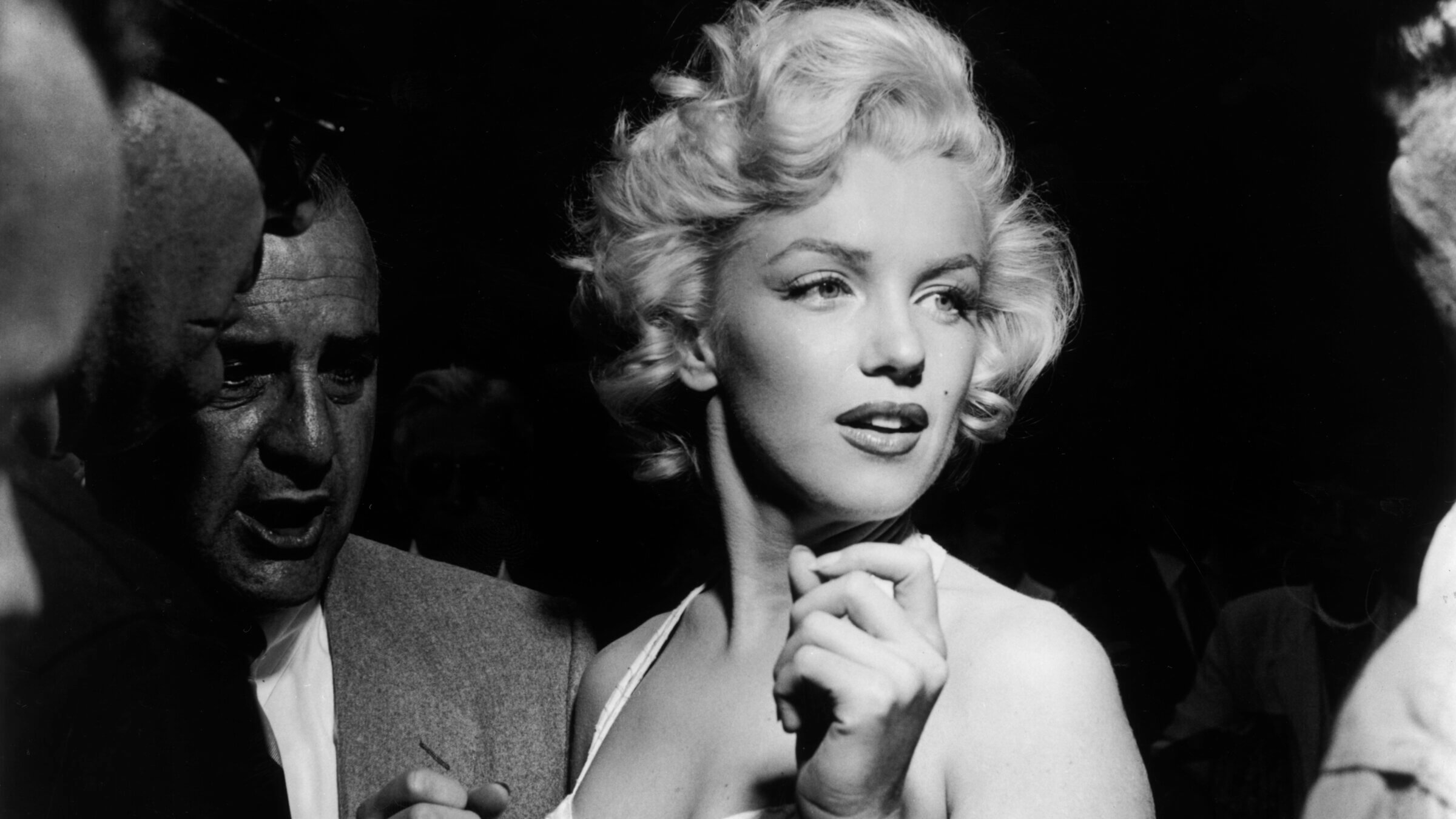
Letters The real reason Jews care about Marilyn Monroe
It's not just that she didn't 'look Jewish' or that she made an odd pair with Arthur Miller
-
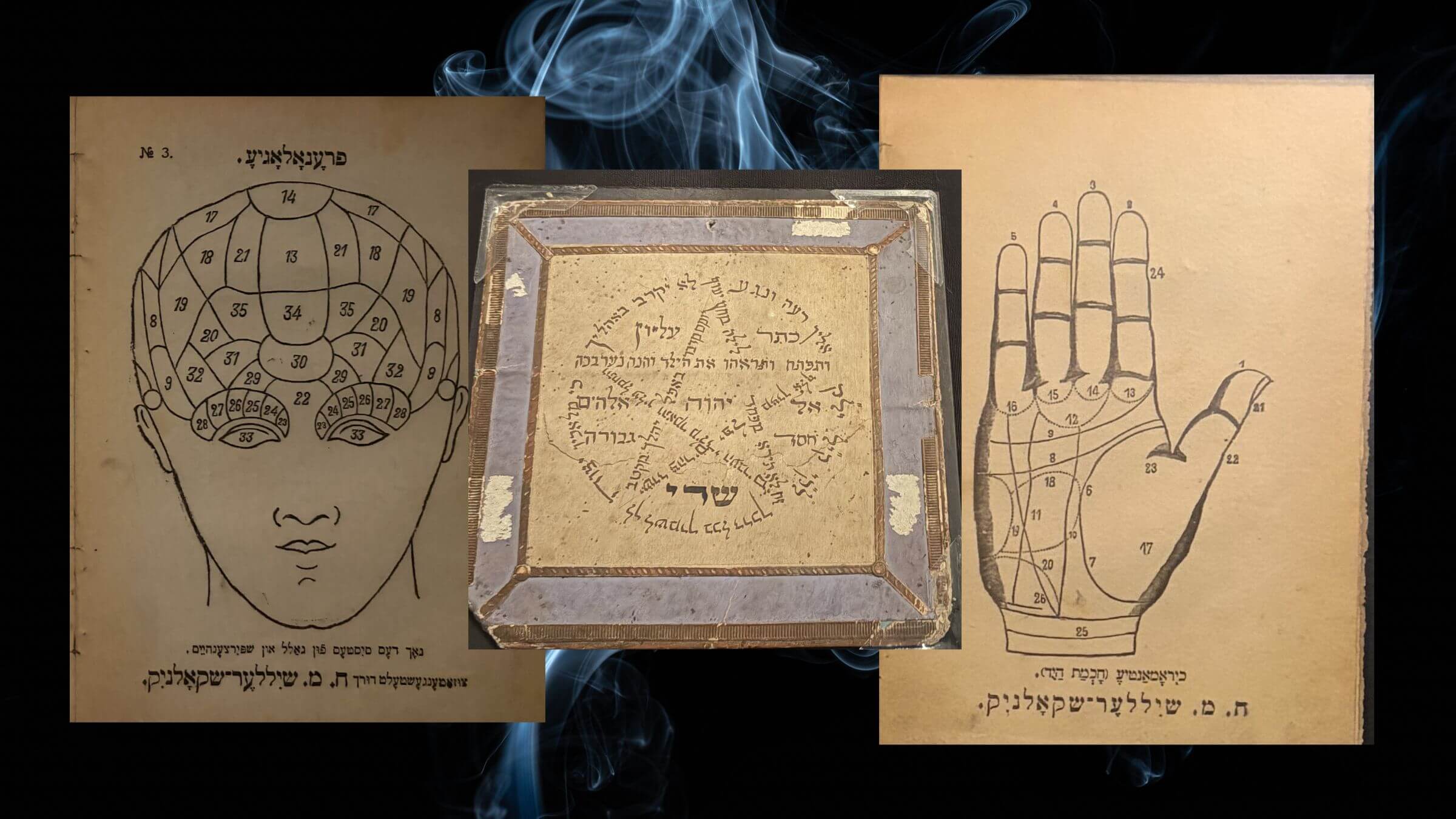
Jewish witchcraft isn’t as weird as it sounds
A new exhibit showcases a long history of Jewish psychics, palm-readers, healers and more
-
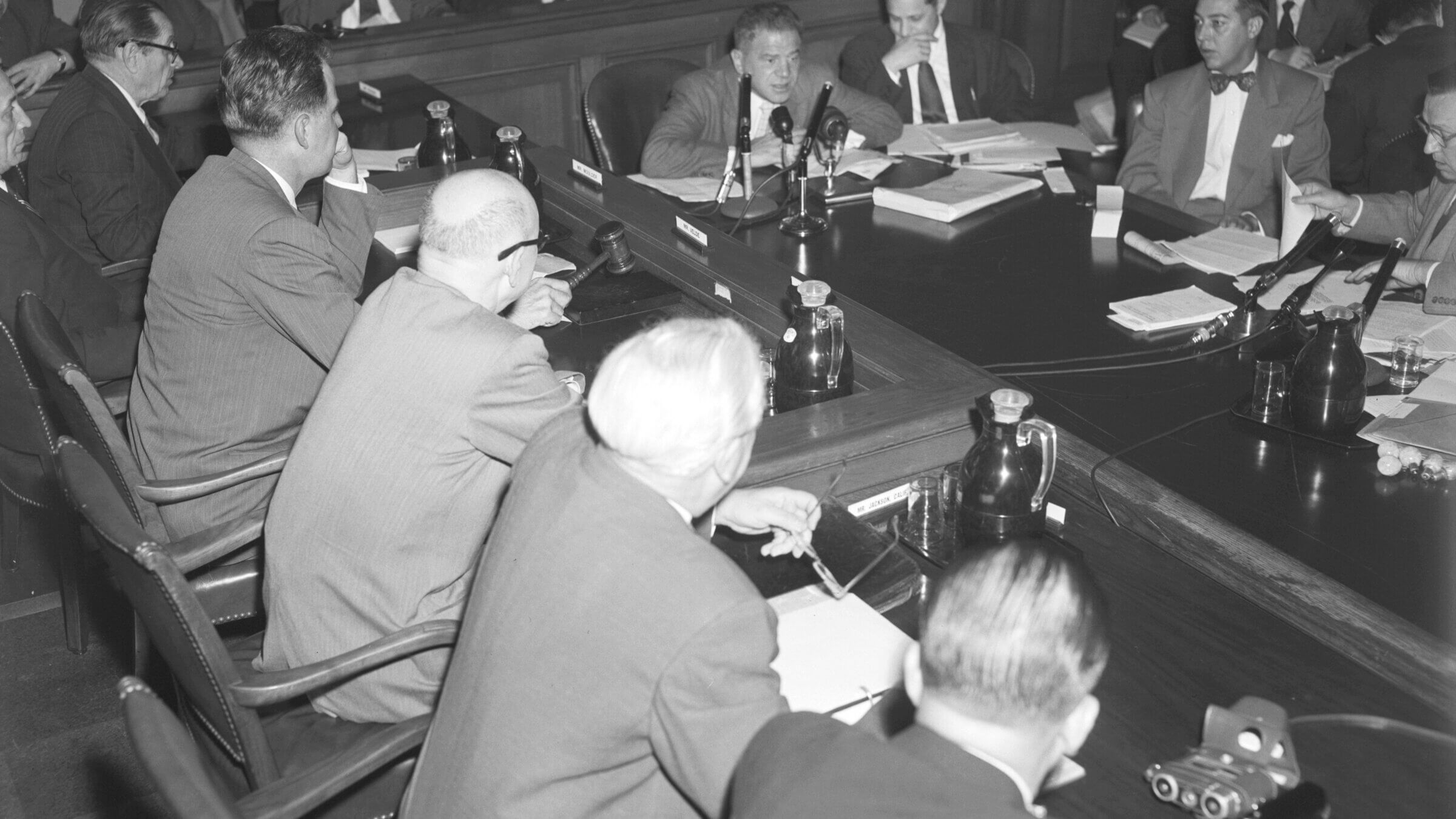
Some named names, some didn’t, but it’s not just a story of good guys and bad guys
For director Anna Shapiro, 'Are You Now or Have You Ever Been' has a lot to say about today's politics and antisemitism
-
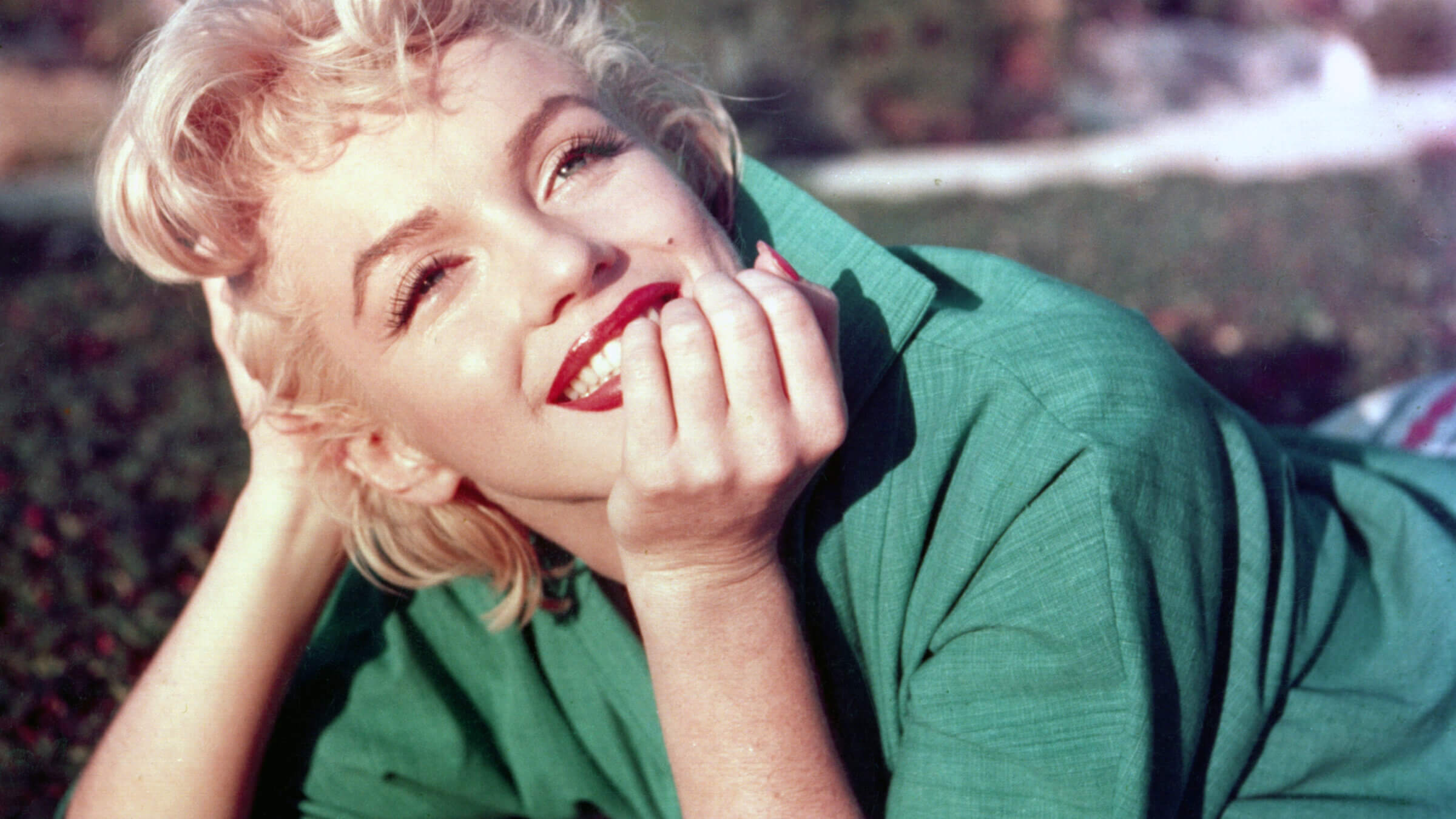
Film & TV Marilyn Monroe would be 100 today. Are we making too much of her conversion?
The actor’s 1956 leap of faith has long been a piece of Jewish trivia
Explore
Most Popular
- 1

Opinion New York’s Israel Day parade was a shanda — but not because of Mamdani
- 2

Opinion Israeli and diaspora Jews live in different realities. The Israel Day parade proved it
- 3

Opinion Trump’s humiliation of Netanyahu marks a sea change in the US-Israel relationship
- 4

News National Council of Jewish Women ejects LA chapter, other affiliates cut ties amid historic reboot
In Case You Missed It
-

Opinion Progressive Jews are trying out post-Zionism. There’s one big flaw in their approach
-

Opinion It’s time for Jews who love Israel to give up on Zionism
-

Fast Forward Majority of House Democrats vote to defeat Lebanon war powers measure
-

Fast Forward After years of hostile relations with Israel, Slovenia’s new prime minister signals diplomatic reset